Storm in a Teacup: The Truth About Microplastics
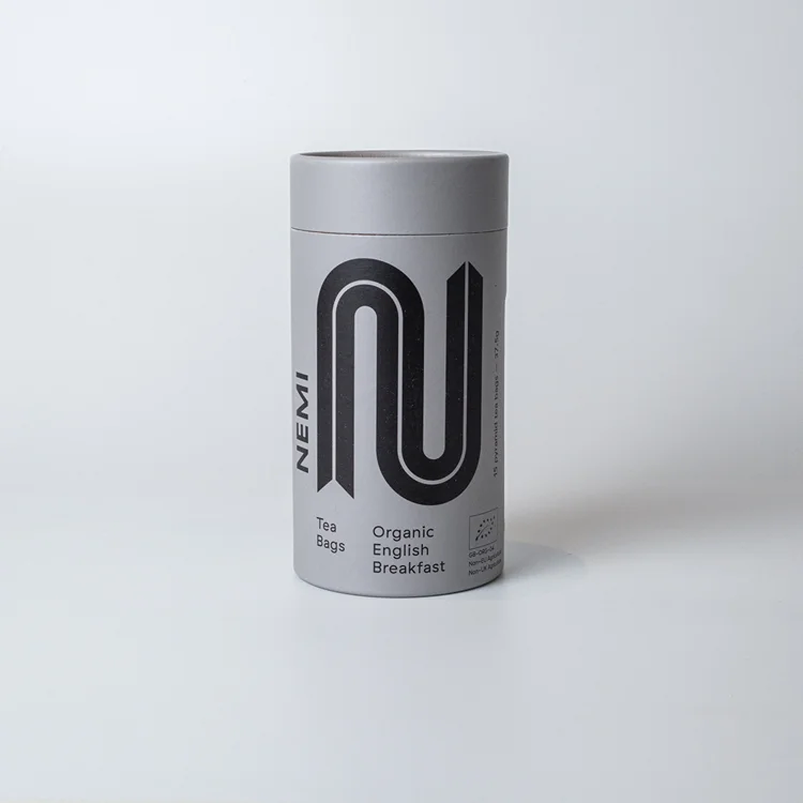
Nemi Tea is a London social enterprise, which uses profits to give jobs and incomes to refugees, arriving in England often after traumatic experiences. This tea is not just Fair Trade, but made with organic tea leaves. Not just good for the planet, but good for tea plantation workers, who often work in some of the hottest temperatures on earth (they therefore don’t have to wear extra clothing to protect themselves from chemicals).
Everyone in England likes a nice cup of tea. Most teas are packed in plastic, which means that when you pour hot water over the tea bags, you’re literally drinking microplastics. Fair Trade tea is also important, as tea plantation workers often live in some of the poorest countries on earth.
And tea leaves are very absorbent, so choosing organic not only is good for you and the planet, but the tea plantation pickers (they don’t therefore have to wear protective clothing, in very hot climates).
Elephant-friendly tea plantations promise not to poison elephants, farm organically and avoid electric fencing, razor wire and deep narrow ditches (difficult to cross).
NHS says that it’s best to avoid caffeine for pregnancy/nursing (or no more than 2 cups of weak tea daily – or 1 cup of mild coffee or cola). Some teas (like hibiscus and liquorice) should be avoided for pregnancy/nursing.
Although tea leaves are natural, in excess their acids could harm compost creatures. So latest advice is to just bin them (or put them in food waste bins) to naturally break down. Use a sink protector mat to catch tea leaves, to avoid them clogging your sink. The same applies to coffee grounds (and acidic food scraps – alliums, tomato, citrus and rhubarb).
Beware (not all ‘plastic-free’ teas are true)
Years ago, all tea was sold loose. But now most contain plastic. Just one bag at 95 degrees C can release over 11 billion microplastics into your drink. So unless you use loose leaf tea, look for plastic-free tea brands.
Be careful, as some brands label their teas as ‘plastic-free’, when they actually use plant-based PLA (polylactic acid) that still is not truly plastic-free.
Nemi Teas (helps London refugees)
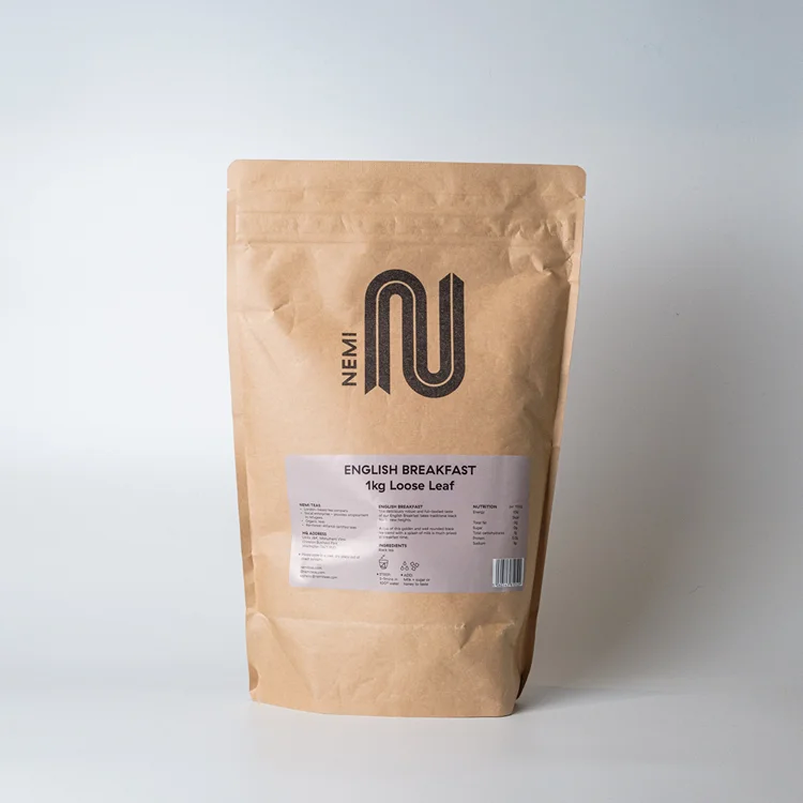
This brand also sells a disposable tea filter (100 each pack). Just use 1 filter to make 4 cups of tea (made from chlorine-free easy-to-recycle paper). Just add your tea leaves, and fold down, leaving room for the tea leaves to expand. Then dip the filter into your mug or teapot.
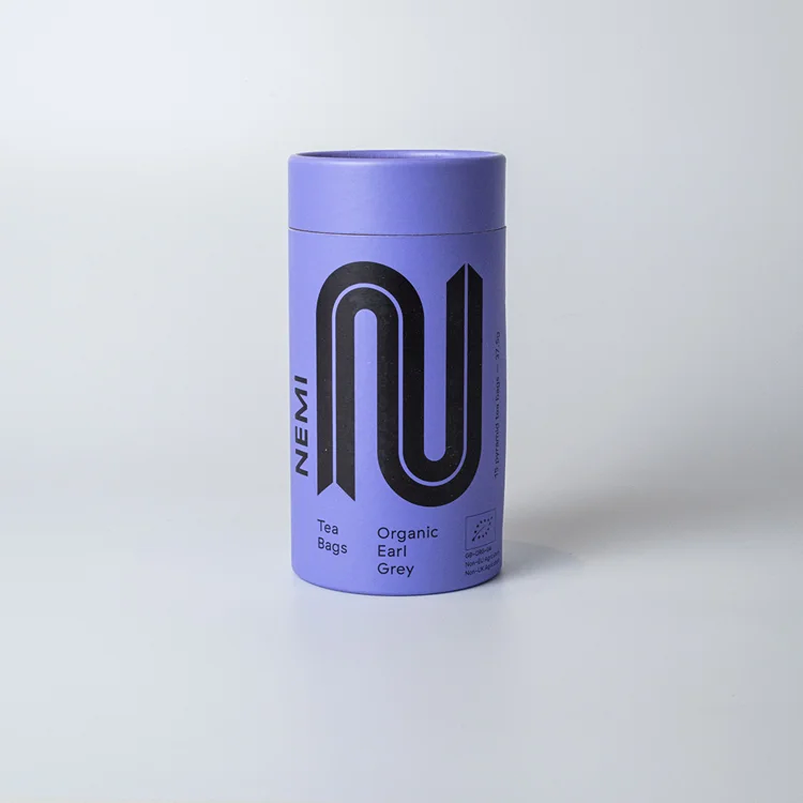
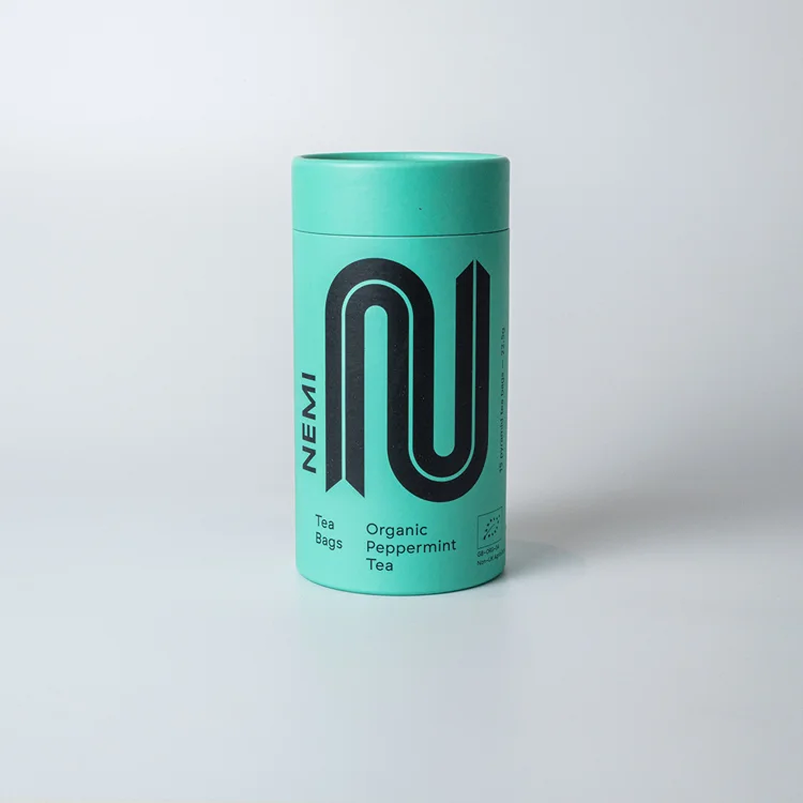
Sold in pretty zero waste cardboard tubs (you can recycle the inner packaging at supermarket bag bins), the range (serve with oat drink or cashew drink includes:
- English Breakfast Tea (the classic, ideal for your veggie full breakfast). Or serve with a slice of vegan Victoria sponge.
- Earl Grey (if you’re a bit posh). This is spiced with bergamot oil, best without milk. This smoky Assam tea also has a blue hue, thanks to the addition of cornflower petals.
- Spicy Chai (the Indian classic, loved worldwide). This featuring black tea warmed up by spices of ginger, cinnamon, peppercorn, cloves and cardamom. Ideal to sip on one of England’s many cold rainy days.
- Green Tea (this is the healthiest tea, some love it – others don’t!) This version is not so bitter, due to delicate steamed green leaves from Southern India’s Nilgiri District.
Tea Lab Company (tea in glass vials)
Tea Lab Company is a lovely brand, founded by identical twin sisters (and a scientist) who had the good fortune to be raised in Hawaii and Barbados (nice!) They not only pack their organic teas in glass jars and test tubes to be recycled, but a portion of profits help a wonderful charity that rescues orphaned elephants and rhinos. How good can this get?
You can find loose teas in all flavours from classic Assam to herbal to rooibos. The letterbox mailer teas are sent in glass test tubes with cork lids, including eco-fillable tea bags.
Heath & Heather (nice organic teas)
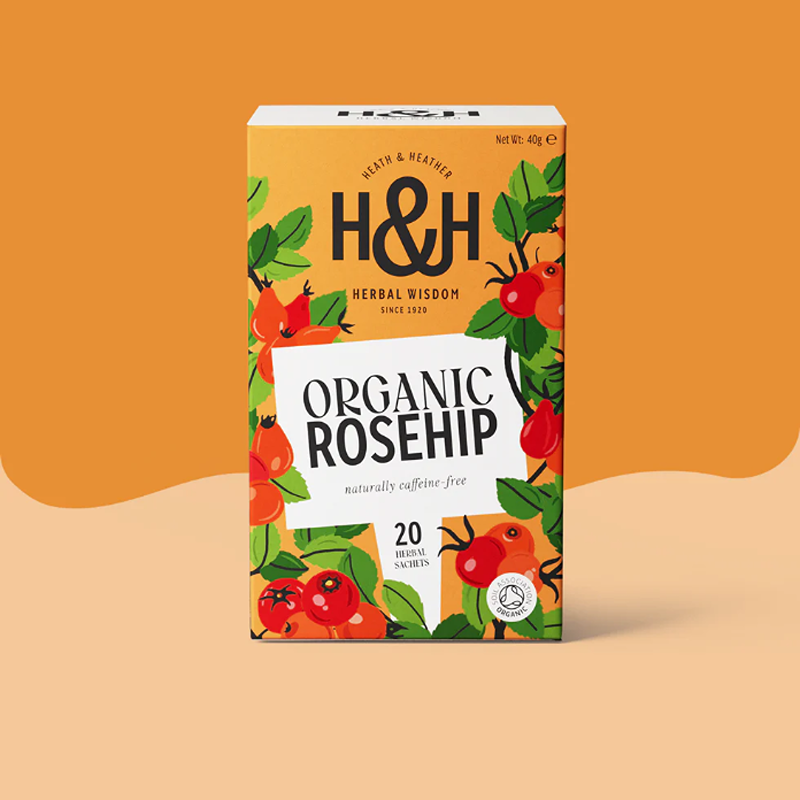
Heath & Heather is a quality brand of organic tea, sold in many stores. The teabags are made with natural wood pulp and hemp, and don’t need heat-sealed plastics, so can go straight into your food waste bin or bin, to naturally break down.
This brand was founded by Samuel Ryder, a Preston boy who left college early to become a shipping merchant, but was forever inspired by his father’s passion for gardening. Founded with his brother James (a passionate herbalist) this company has been around 100 years, and became popular in the 70s when sold in Holland & Barrett (when it used to sell health food, rather than aisles of supplements and whey powders).
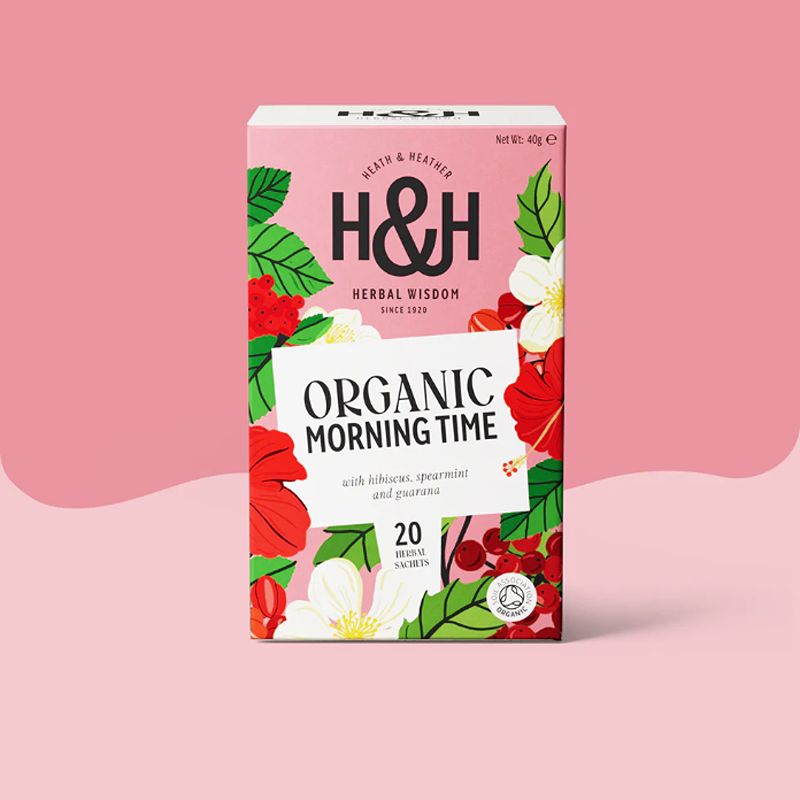
The range includes:
- Morning time
- After dinner
- Night time
- Apple cinnamon
- Matcha green tea
- Lemon and ginger
- Organic rosehip
- Raspberry leaf
- Peppermint
- Dandelion burdock
- Chai and liquorice
Clipper Teas (sold in most shops)
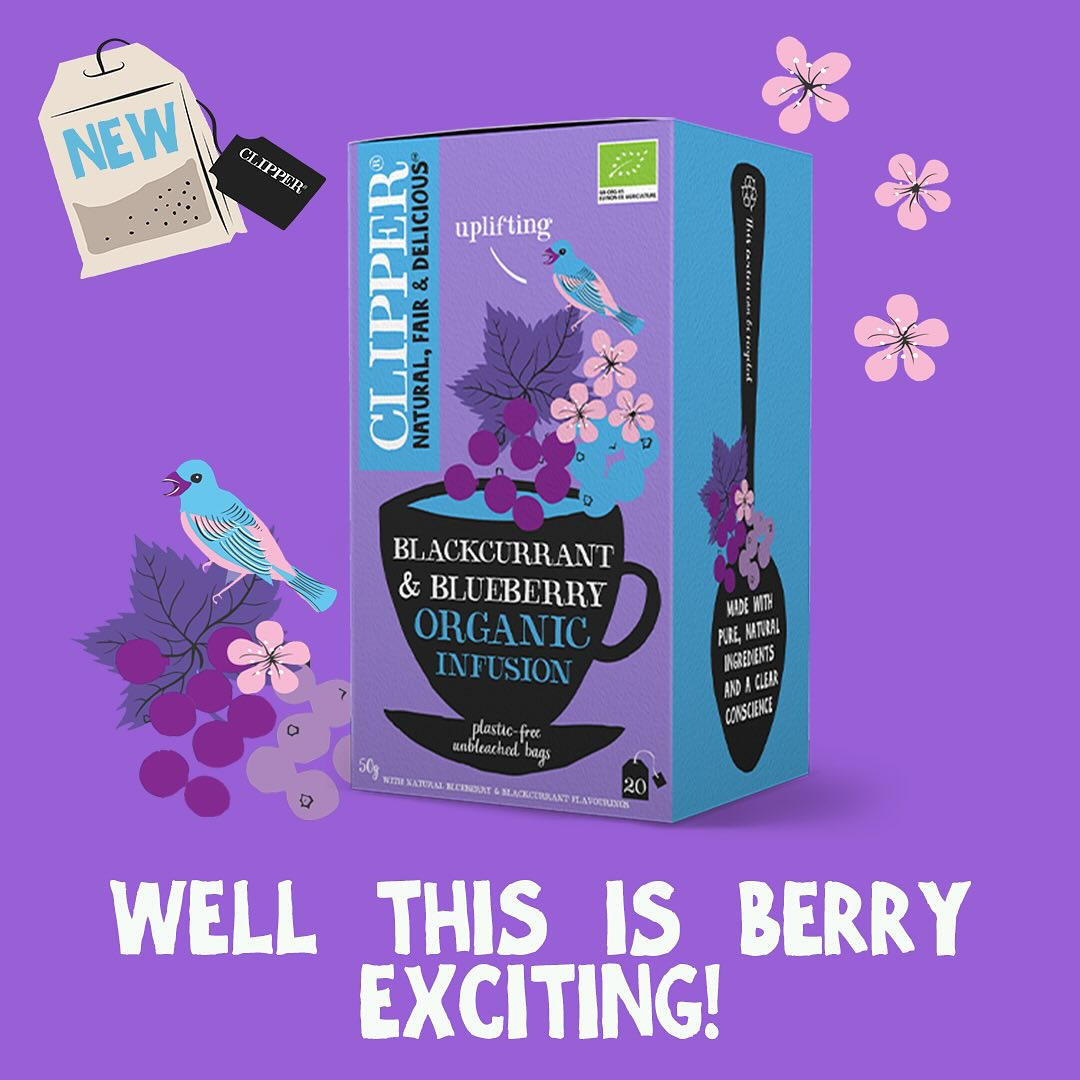
Clipper makes good organic teas in plastic-free packaging including white teas (young buds that are gently oxidised to create a healthy cup of antioxidants in fruity flavours like raspberry).
Their herbal range is extensive though you’ll likely have to shop online to go beyond peppermint or chamomile (nettles, liquorice, fennel and dandelion).
The chamomile tea is combined with natural peach flavours and orange peel, plus some natural flavouring of mango and orange. Sold in unbleached tea bags. Other flavours include berries and peppermint.
Hampstead (truly plastic-free organic tea)
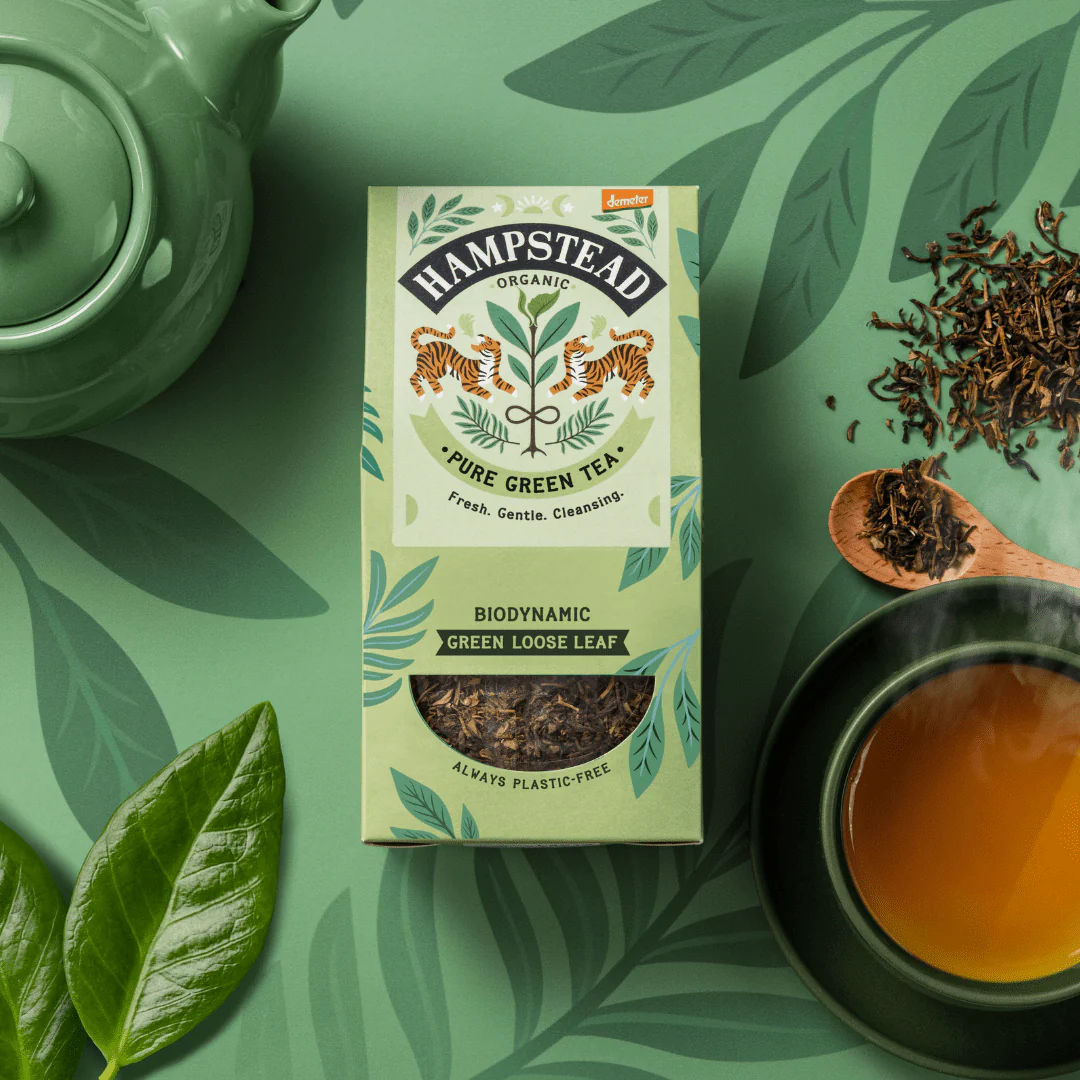
Hampstead Teas always come out top, when indie experts look at which teas have the best eco credentials.
This brand is one of the few on the market, that truly is plastic-free. Plus all their teas are organic. And delicious. And varied, so there is something for everyone. The range includes:
- English breakfast
- Darjeeling
- Earl Grey
- Oolong
- Lemon ginger
- Matcha
- Peppermint Spearmint
- Lavender valerian (sleep!)
- Chamomile
- Indian Chai
- Turmeric Cinnamon
- French vanilla
- Rooibos
Zero waste tea-making tools
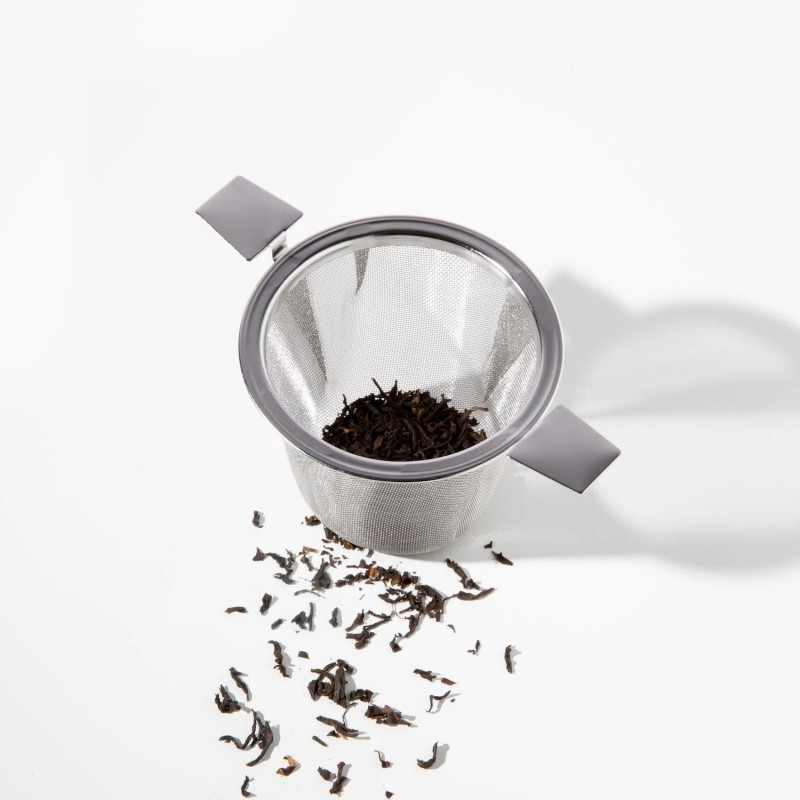
These are great if you would like to switch to loose tea, without the bother of brewing a whole pot for one person, or if you are in the office or travelling.
This in-cup tea strainer is made from stainless steel, like an upgraded version of the hand-held one your mother likely had. Fitting inside most mugs, just add loose tea, put over a mug and leave to infuse. For fine tea (like spearmint or peppermint) wet the strainer before you add the tea.
Tea Paper Filters
Tea Lab Paper Filters are made from biodegradable filter, if you want to make a loose cup of tea on the go. Just fill with tea and pour over water, use the drawstring to brew and then dispose of the tea bag, to safely return to the earth. Each box contains 50 bags.
The Quick Cuppa Cost: How Eco Kettles Save Money
Energy Savings Trust tells us that one of the main ways to save on energy bills, is simply to switch to an energy-saving kettle. Most people in England enjoy a cup of tea.
And that means millions and millions of cups made each day (apparently there is a national surge on the grid, when the ads come on, between the soap operas!)
But most older kettles (and many new ones) waste both water and energy. We’ve all done it. Fill the kettle up with too much water, then it takes ages to boil. You pour the water out and then the rest of the water is boiled again, the next time you make another cuppa.
One investment in a good energy-saving kettle, could save you a small fortune on energy bills. A good kettle should last longer, and has a gauge so you don’t over-fill. And most are quick-boil, so use less energy.
Use with organic tea or coffee. Avoid caffeine for pregnancy/nursing or affected medical conditions (check herb tea labels). Just bin tea leaves and coffee grounds, as caffeine may harm compost bin creatures (use a sink protector mat to stop grounds clogging drains).
Russell Hobbs fast-boil kettles
Buying a kettle is ideally not a choice to make for the cheap supermarket brands, as most burn out quickly, and won’t save energy. Around £70 million a year is wasted in the UK, just from boiling too much water.
Invest in a Russell Hobbs’ fast-boil energy-saving kettle (this saves up to 66% energy to boil water for a big mug, in just 44 seconds) and has a spout to avoid drips, and illuminated markings to avoid pouring in too much water.
Key benefits over regular kettles
A typical energy-saving kettle uses around 20% less electricity compared to an older model. If you boil a litre a day, you can save up to £15-£20 a year, depending on rates and usage. It’s not just about the cash—those small numbers add up for the environment, too.
Let’s put the numbers into perspective. A regular kettle uses around 0.11 kWh for one boil. Multiply that by a few boils each day and it stacks up. By switching to an energy-saving model and only boiling what you need, you might save over 300 kWh per year. At the average UK electricity price, that could mean over £20 staying in your pocket, not going to the energy supplier.
Here’s a quick comparison:
The boil time for 1 cup of water with a standard kettle takes 2 to 3 minutes (0.11kWh) which costs around £40 per year for the average person.
With an energy-saving kettle, the average boil time is 50 to 90 seconds (0.09kWH0 which costs £20 to £30 a year. So the cost buying an energy-saving kettle should pay back within a year or so.
Recycling your old kettle
It’s tempting to toss an old kettle straight into the bin, but electricals don’t belong in landfill. Recycling makes a difference, letting valuable parts get a new life and keeping hazardous waste out of the soil and water.
- Retailer Take-back: It’s now UK law for shops that sell you a kettle, have to take back the old one for recycling.
- Local Recycling Centres: Every part of the UK has drop-off spots for small electricals. Check your council’s website or use the Recycle Now postcode finder to locate your nearest option.
- Household Collection Days: Some councils collect small appliances on specific days. If you’re planning a clear-out, see if your area offers doorstep pickup.
How to decales kettles, naturally
Limescale is the number one enemy of kettles. Over time, minerals build up inside and make your kettle less efficient. It takes longer to boil, uses more energy, and can even affect the taste of your water. Luckily, descaling is easy and only takes a few minutes.
Simple descaling steps:
- You could pop in a descaler ball.
- Add a mix of half cleaning vinegar and half water.
- Bring the solution to the boil.
- Let it sit for 15 to 30 minutes.
- Pour out the solution and rinse the kettle thoroughly.
- Boil fresh water once or twice to clear any lingering taste.
Try to descale once a month or whenever you notice white flakes or slower boiling times. It keeps efficiency high and tasting right on point.
Cleaning the outside of kettles
- Use a soft, damp cloth – avoid harsh scrubbers that might scratch.
- Mild dish soap mixed with warm water works fine for smudges and grease.
- Dry the kettle immediately to prevent water spots.
- Don’t submerge the kettle in water or put it in the dishwasher.
Regular upkeep tips
- Fill your kettle with fresh cold water, especially if your tap water is hard.
- Only boil the amount of water you need, to avoid overworking the heating element.
- Empty leftover water (use it for plants (read about pet-friendly gardens).
- Keep the lid closed during boiling to trap heat and support quicker boils.
- Check the power cord and plug regularly for damage and keep them dry.
- Avoid letting the kettle boil dry – this can damage the element and waste energy.