Why Vegans Don’t Wear Silk (learn the reasons why)
Silk may be a popular fabric for clothing and wedding dresses, but vegans never wear silk. The truth is that right now, there are few suitable alternatives, so it’s best to just use organic cotton:
- Cupro is made from cotton waste (and looks and feels like silk) but it’s mixed with synthetic fabrics.
- Tencel is from flammable eucalyptus trees (and new plantations have been banned in Spain and Portugal, due to concern over monocultures causing wildfires).
What are silkworms?
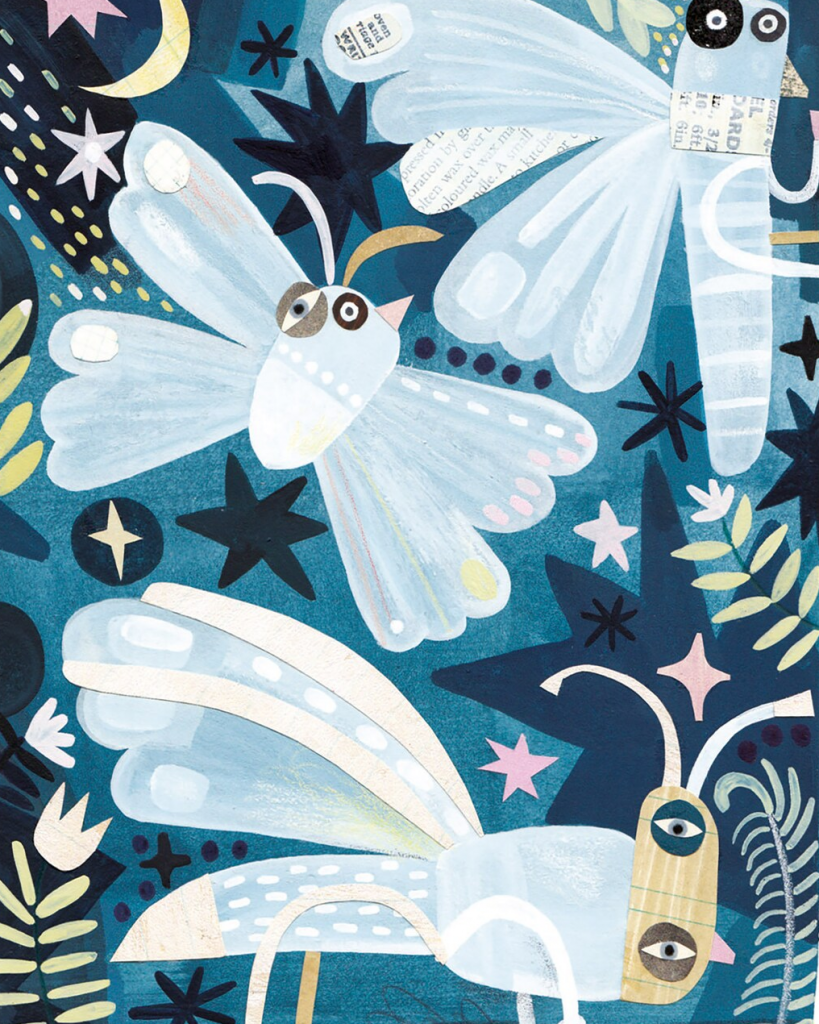
Silkworms are not actually worms, they are the larvae of the silk moth. Living on mulberry leaves, they spin silk from their saliva which hardens into liquid protein, when it comes into contact with air).
They can’t fly. Those used for industry have been genetically altered to not be able to survive in the wild, without human care. Wild silkworms can survive in forests, feeding on trees.
Why do vegans avoid silk?
Silk production kills around 420 billion to over 1 trillion silkworms each year, either boiled or gassed alive in their cocoons, to prevent breaking the silk element. It takes around 5,500 silkworms to produce just 1 kg of silk.
There are also human welfare laws, most silk is made in the far east, where staff receive poor pay and little protection from pesticide use (used to grow mulberry trees). Billions of silkworms also die due to pesticides, before the harvest. Male moths are often kept frozen (in order to mate multiple times), while female moths are sometimes crushed for disease testing, after laying eggs.
So-called ‘peace silk’ is not much better. Although the pupa is not boiled, many moths die shortly after emerging, due to being so domesticated they can’t fly (nor have mouths to eat, so live only a few days to mate, before dying).
Investigations by Beauty Without Cruelty in India, found that many ‘ahimsa silk moths’ were crushed after laying eggs, and males were refrigerated and reused, until they die or are discarded. And surplus larvae also starve to death.