Style Without the Waste: Zero-Waste Hair Accessories
The hair accessories industry is huge, and that means millions of plastic hair ties, scrunchies, hair brushes, combs and more littering our land. But there are far better solutions, for the planet and your hair!
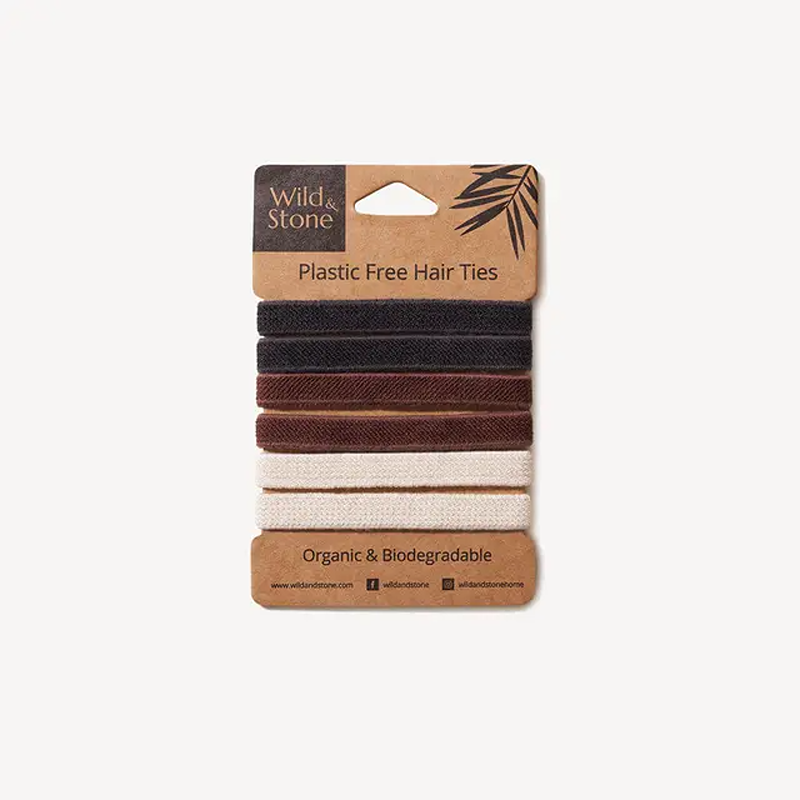
Wild & Stone plastic-free hair ties
Most hair ties are made from nylon (plastic) which means that when they slip out of loose ponytails (or get lost when children are doing handstands), they fall down drains and go into the sea. Where they are broken down into microplastics, which are accidentally ingested by marine wildlife.
Next time it comes to replace, consider Wild & Stone’s plastic-free hair ties, which are made from natural cotton, in plastic-free packaging.
Keep hair ties away from young children and pets. Don’t tie hair back tightly, as this can cause traction alopecia (losing hair at the front of the head).
Avoiding elastic bands helps wildlife
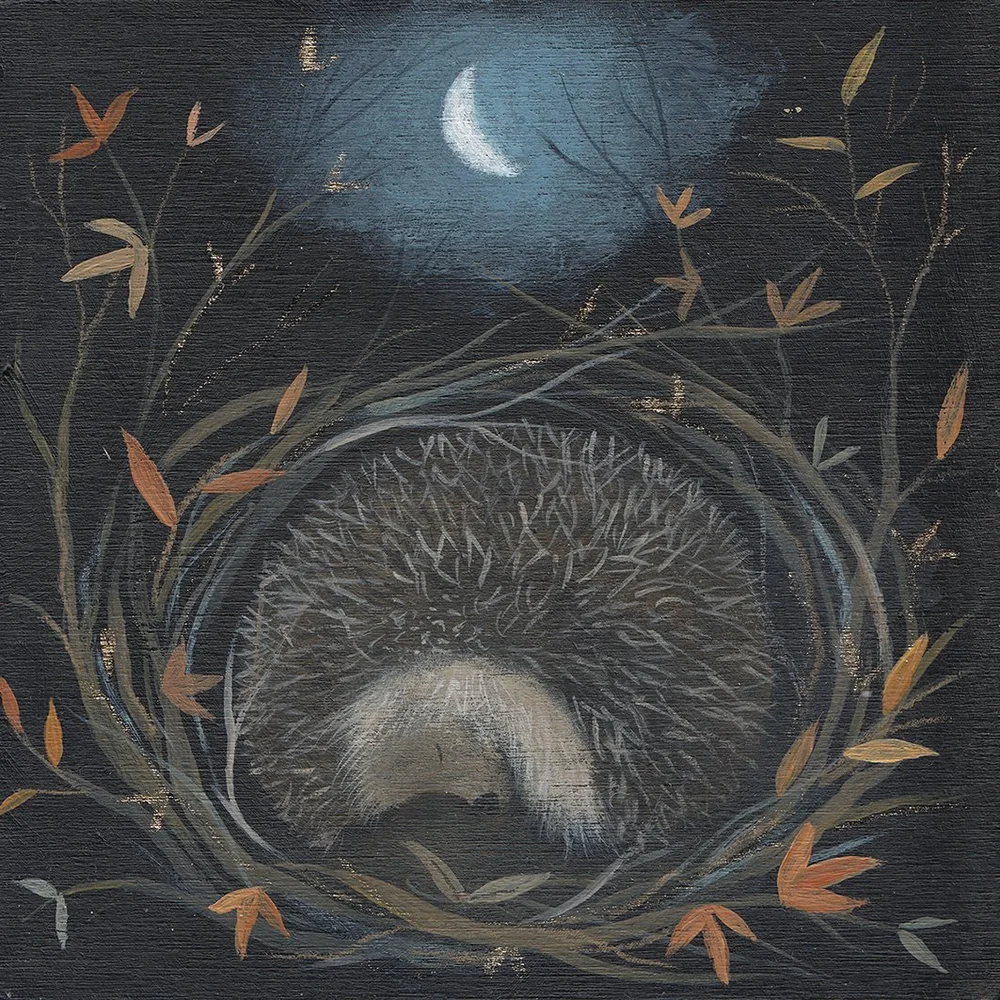
Elastic bands not only rip your hair, but again if dropped, can cause harm.
Campaigners want Royal Mail to stop using red elastic bands (when dropped, they trap wildlife paws and claws, and ducks feed them to chicks, thinking they are worms).
If you see littered bands, cut them up and pop in a secure covered bin (or use them within the office, never outside).
Kooshoo (fancy plastic hair ties from abroad)
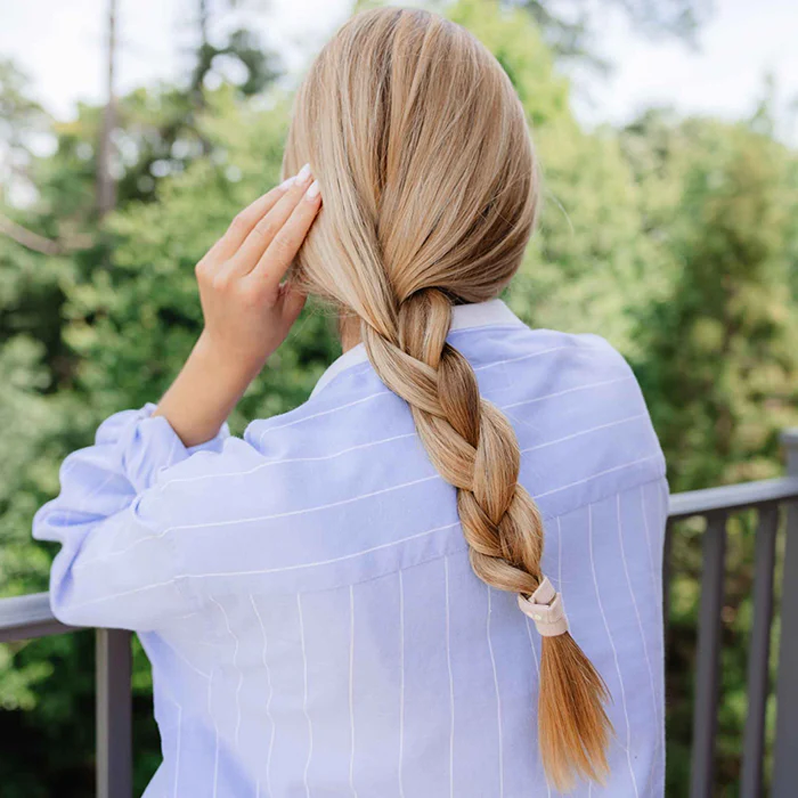
Kooshoo (USA) is another brand worth mentioning. Although ordered from abroad, one order should last years (you could bundle with friends to cover shipping – costs around £20 and takes 1 to 3 weeks).
We only recommend hair ties, as hair bands/scrunchies contain synthetic fibres.
Bamboo hairbrushes and combs
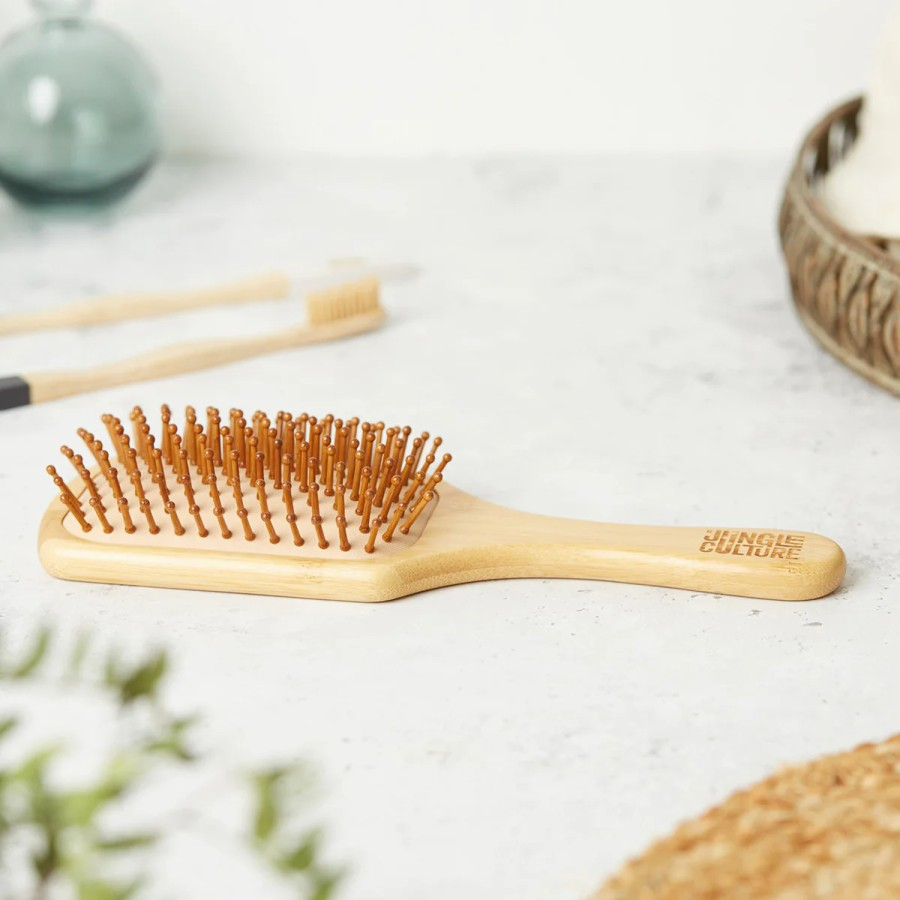
Jungle Culture bamboo hairbrush is designed for all hair types, with a pressured paddle surface and soft bristles to brush your hair wet or dry, without irritation.
Avoid boar bristle brushes for animal welfare reasons. Also avoid tortoiseshell (illegal) in combes. Instead, choose bamboo, wood and metal.
Ecotools eco-friendly hair combs and brushes
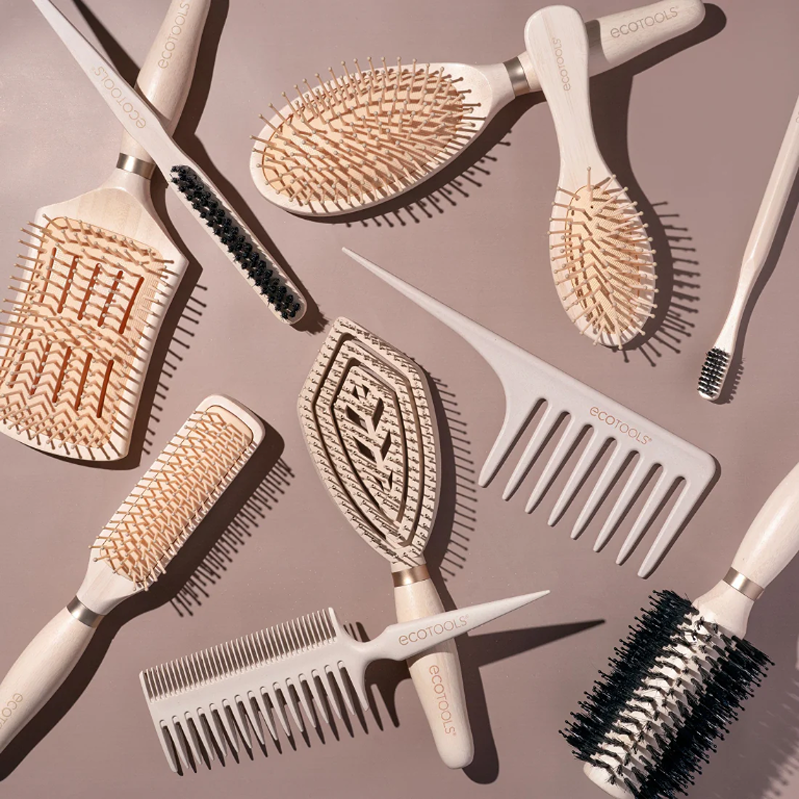
Eco Tools is known for its vegan make-up brushes, but also makes eco-friendly combs and brushes, made from recycled materials. Some brushes are specifically designed to tame unruly hair or deal with tangled fine hair.
Where to recycle plastic hair accessories
Salons, offices and schools can order a Terracycle Hair & Body Care Waste Box (a one-off pooled fee) to then send back using the prepaid postage, to get plastic hair goods out of your town forever).
You can include non-pressurised hair sprays (recycle empty pressurised cans, take half-empty ones at your council’s hazardous waste department).
Why avoid plastic hairbrushes and combs?
As well as being made from oil, plastic hair brushes and combs tend to generate static electricity, and cause micro-abrasions on the scalp (if you think it’s your shampoo, it could be your hairbrush).
Static also forces hair cuticles to lift and results in frizzy and flyaway hair, and an increased risk of split ends. Many generic plastic combs and brushes are made with injection moulds, that leave sharp seams and jagged edges that can scratch the scalp.
Why avoid natural boar bristle brushes?
Many natural hairbrushes boast they are made from boar bristle. As well as not being suitable for vegans, they tend to cause hair breakage on fine and chemically-treated hair and are not good to detangle. Porous animal hair can also absorb oil, dead skin and product build-up, leading to a breeding ground for germs.
Boar bristle is of course made from male pigs, as if these beautiful animals don’t suffer enough in the food industry. Most boar bristle is a by-product of industrial livestock production (in other words, factory farming).
Donate hair to help children with alopecia
You can imagine it’s stressful for an adult to go through alopecia. But for a child it can be devastating, or of course some children lose hair temporarily if going through chemotherapy treatment.
Little Princess Trust is a charity that makes quality wigs for children, from donated ponytails, if people are having long hair cut off. Rather than just be swept away and binned, this hair can be used to make child-specific wigs, so they can feel a bit better and fit in with their friends.
The site has full info on how how to ask your hairdresser to keep the hair, and a few rules. Like no pink or grey hair!
Many salons offer free haircuts if you are donating to the charities (including Supercuts). So it’s a great way to lop your locks off for nothing, and help children at the same time!
You can also donate hair extensions to Little Lady Locks.
How to donate hair to children with hair loss
There are a few rules here, as charities are quite strict on how to donate hair. Obviously you can’t have pink or grey hair to donate!
- Hair must be at least 10 inches (25cm) long, ideally longer than 12 inches, as there is demand for long hair wigs.
- Hair must be clean, healthy and free from split ends.
- All natural colours are accepted except grey.
- Wash your hair thoroughly but rinse out conditioner and styliing products. Ensure hair is dry to avoid mouldy in transit.
- Secure into a ponytail with plastic-free hair ties at both ends, and place another in the middle to keep it secure. Ask your hair stylist to cut above the highest hairband, this keeps the strands aligned.
- Place the dry banded ponytail in a cardboard or heavy paper envelope (no plastic) and print off the necessary forms, then weight at the post office before sending off to your new recipient!
Quality wigs for adults with alopecia
Amber Jean makes ethical (very expensive) wigs from hair that is donated in rituals in Asia (as opposed to some brands that literally chop off the hair of passing women, against their will). Gail Porter is an ambassador for the brand.