How to Raise Money Recycling Aluminium Cans
Most drink and food cans these days are no longer made from steel, but lighter and cheaper aluminium. But unlike say paper, when recycled it’s just as good quality, so companies buy it up in droves as it gives the same performance.
It’s for this reason that you can raise a lot of money for local projects, by organising ‘cash for cans’ programs, then selling collected cans (and clean oil) to local merchants. Just imagine how much you could raise for local causes?
How to recycle cans (and keep wildlife safe)
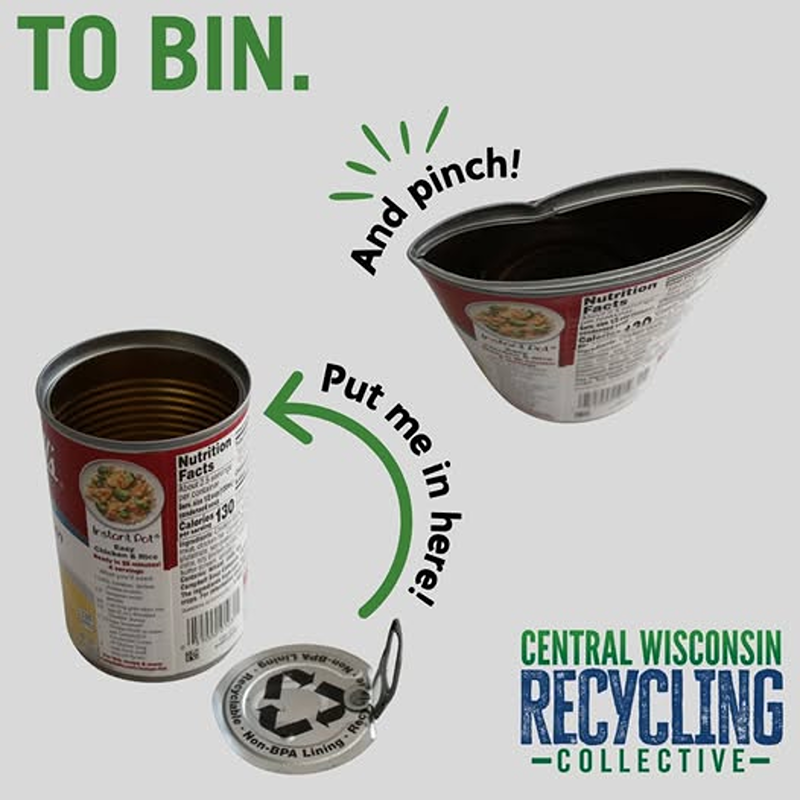
It’s important before recycling cans to rinse any tempting food or liquid inside, then pop the lids inside (invest in a good tin opener to avoid jagged edges). Or pop the ring-pulls over the holes of drinks cans.
Then step on the can to pinch the rims together (above photo) to avoid birds or wildlife near recycling points or landfills getting stuck inside.
Keep Britain Tidy found that 80% of littered bottles and nearly 5% of littered cans, contain remains of tiny small mammals (shrews, bank voles and wood mice). Littered cans also attract snails, and can cut the feet of wildlife.

Collapsible can openers can also be used to open bottles and ring-pull cans. This one folds away in a drawer.
Boycott beers/ciders in plastic can holders
If you find any littered cans wrapped in plastic holders, rip up the holes and place in a secure (not open) bin.
Never buy drinks in plastic can holders. Many supermarkets have banned their sale, as they get trapped around necks and beaks of wildlife. Never buy drinks in plastic can holders.
Alupro (cash for cans scheme)
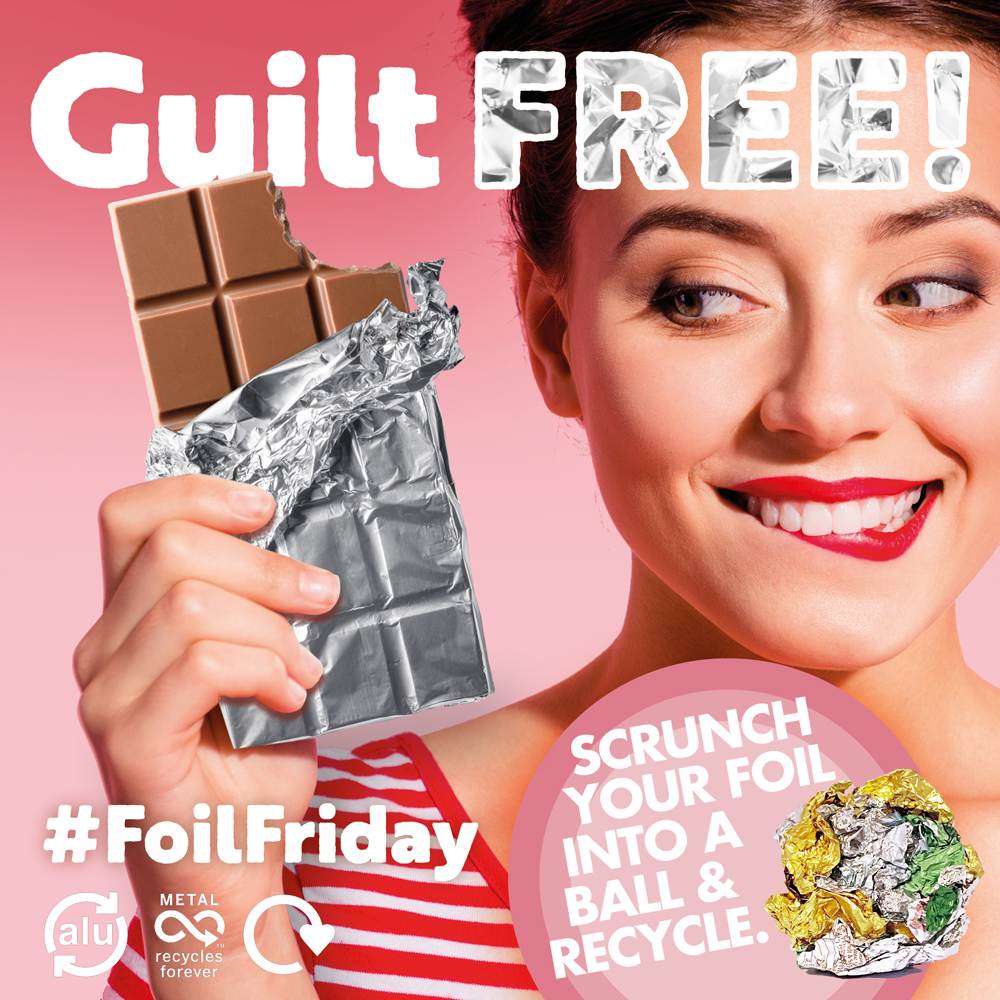
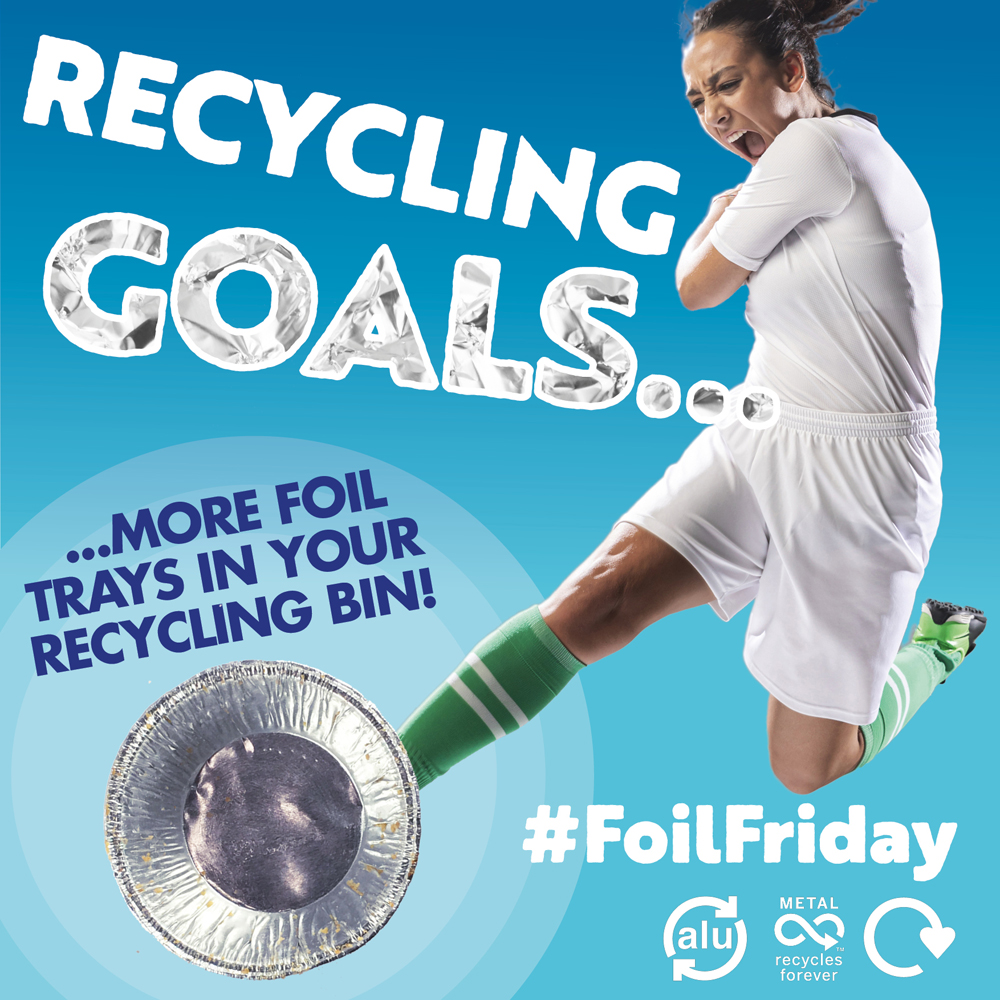
Order a free starter pack from ALUPRO which shows how to raise money for your community, by selling collected cans (and clean foil and foil trays) to local scrap metal merchants. This not only saves them money, by saves 95% of energy, and means fewer lorries in your town, driving in new metals.
To sign up, you’ll need proof of ID to recceive a cheque or bank transfer (aluminium companies can’t pay cash by law). Most schemes require 5kg or more to accept delivery (around 350 cans).
Ensure foil and foil trays are clean and scrunched into a tennis ball (tiny bits get lost in screening machines). Just bin foil with greasy or baked-on food. You can also recycle clean yoghurt aluminium pot lids, foil from Easter eggs and empty aluminium aersols cans (if there’s a hissing sound, take to your household recycling centre for proper disposal, as there is still product inside).
Every Can Counts is now a global movement. In the USA, schools can set up a similar program with TerraCycle.
How much can Cash for Cans raise?
The numbers seem small at first: scrap metal merchants pay around £50 to £100 per 6500 cans or so. That’s up to £1000 for 65,000 cans. But get this:
Londoners consume around 4 million canned drinks a day. And they are either throwing them away or popping them in recycling bins, for councils to empty. The UK does not yet have deposit return schemes.
So in this city alone, if all communities had Cash for Cans programs, that would be a collective £32K to £64K per day raised – depending on the merchant’s price. That’s over £11 million to £23 million a year!
Can you imagine how many tiny animal shelters, homeless hubs or environmental charities this could help. Then multiply that throughout every town and city in the modern world, and you see just how powerful this program could be to help!
How to report cans and other litter
If you see any litter that you can’t pick up and bin/recycle yourself, send a report (with photos) to Fix My Street. This website then sends reports to local councils. But as the reports are made public, issues (especially if reported by several people) tend to get fixed quicker.
Not in the UK? Don’t worry, as this wonderful project is Open Source. So find someone techy, and they are happy for you to use the software to set up a similar scheme where you live!
No matter who drops litter on public land in England, councils have a legal duty to get it removed. For private land, they can serve Litter Abatement Orders (issuing fines, or sending invoices for staff they pay to clean up).
Invest in colourful can recycling bins
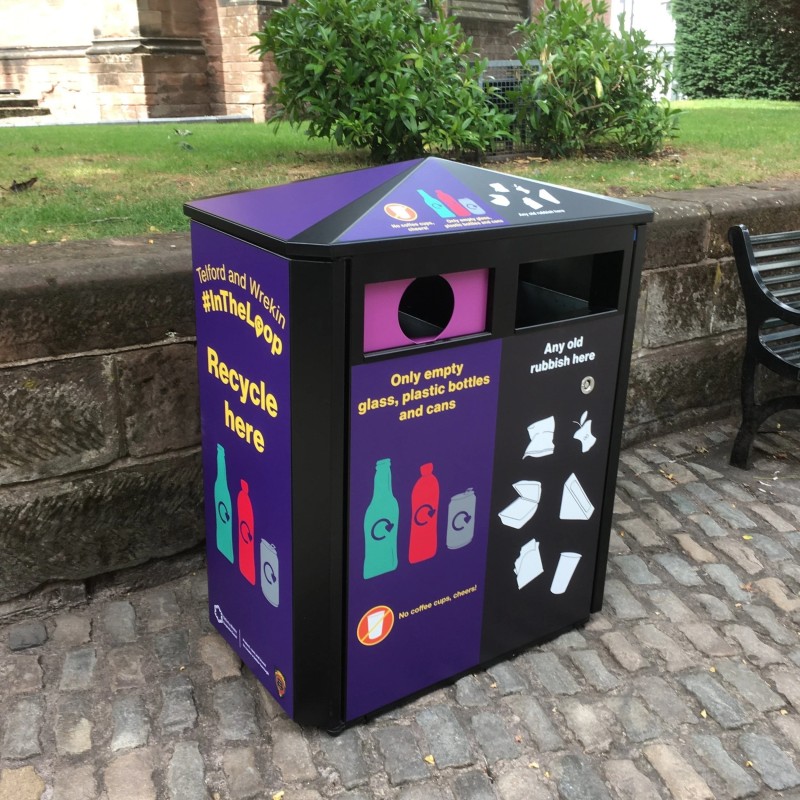
Councils can invest in Neat Streets colour-coded recycling bins. These are used for cans, glass, cardboard and plastic bottles. The cost is more than offset, by not having staff go out to pick litter off streets.
Studies have found that people are most likely to use recycling bins when they are brightly-coloured with circular holes, placed by other waste bins.
It’s especially important to have good recycling bins near vending machines, picnic benches and break rooms. Empty them regularly (and ensure they have lids, due to windy weather).