Zero-Waste Photography: And Respecting Other Creatures
Photography is a hobby and profession enjoyed by millions of people worldwide. So it’s good to follow greener tips to reduce the impact of plastic cameras, gelatine film and plastic photography albums.
Also read our post on where to buy a more sustainable smartphone.
Be a wildlife-friendly photographer
- Never disturb wildlife (or fragile plants) to take photos (nor use flash photography). Keep to marked trails and use zoom lens, to take photographs from afar. If a creature is looking at you, you’re too close.
- Also wear muted shades (green or brown) to blend into the background and don’t make any noise. Never block a creature’s view (it could disturb feeding or nesting).
Zero waste camera gear
- KLIK has no screen or camera roll, and again is sold with a rechargeable battery. The screen-free camera gives 500 shots in one charge, for retro-style shots. Just plug in and upload your photos via USB.
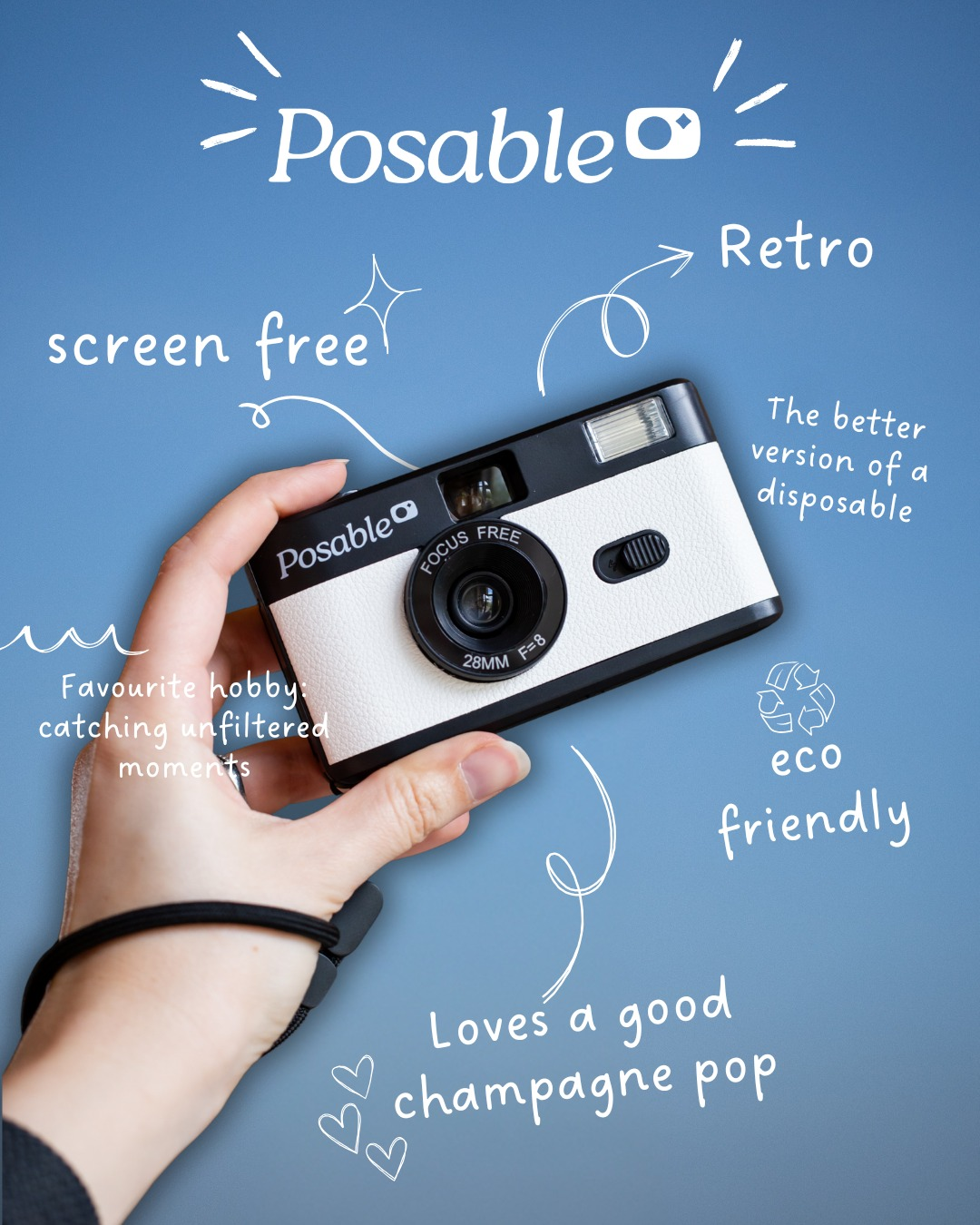
- Posable is a service that sends several digital cameras to wedding guests to take photos. These are returned (paid postage) then you are sent all the photos online to create your own wedding album.
Where to recycle unwanted cameras
Enter postcode at Recycle Your Electricals to recycle old cameras (if you buy new, the store must by law accept the old one for recycling, and also recycle camera batteries at any store that sells them).
Zero waste photograph albums
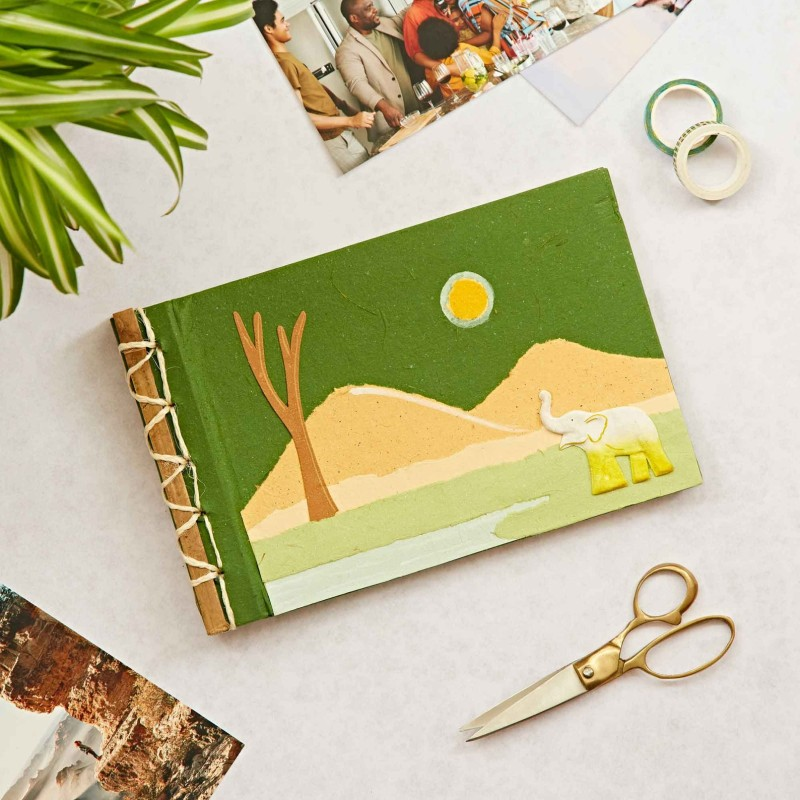
- Paper High makes photo albums from paddy husk paper (by-product of rice-milling industry) and elephant dung. The latter providing income for villagers in Sri Lanka to collect. This helps them to see elephants as friends, not as crop-eating enemies. Each item has unique flecks, depending on what your elephant friend ate that day!
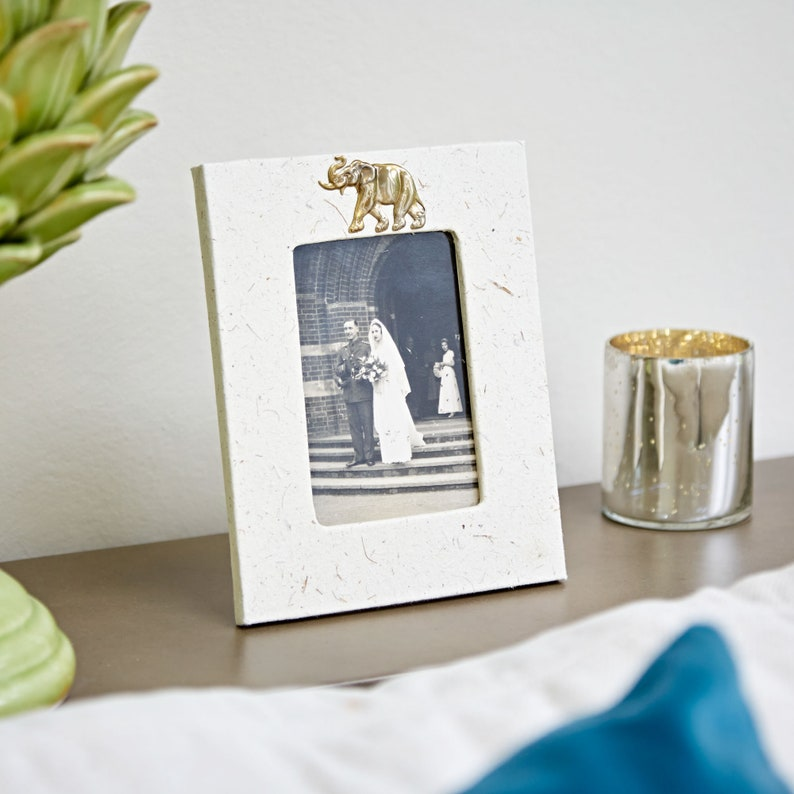
- Also available as photo frames, with attached stands for portrait or landscape orientation on a flat surface. There are no glass/plastic windows nor fiddly hooks. Just slot photos in the discreet slot.
- These recycled newspaper photo frames are naturally colourful, handmade by artists in India. Also in landscape versions.
How to restore damaged photos
- Vintage Photo Lab offers a service to scan and digitalise old photos and slides. Photos are sent by tracked delivery (or courier if near London or Buckinghamshire). They have not yet lost one photo!
- Operation Photo Rescue has worldwide volunteers who digitally restore photos ruined due to floods or house fires. Get in touch if you can help.
- This company can restore old damaged family photos by removing scratches or even replacing missing parts (you’re sent previews before purchase).
You can’t recycle damaged or unwanted photos due to toxic paper backing. So just bin photos of chopped-off heads or clouds from aeroplanes. For past relationships, just say a little prayer, then let them go. Nothing bad will happen (photos are printed in newspapers and magazines daily, and they get thrown out).
Use photographic skills to help shelter adoptions
- Dog’s Trust (and all animal shelters) welcome volunteer skilled photographers, to show creatures looking for loving forever homes in their true light.
- Volunteer photographer Sophie Gamand has good tips (including avoiding food and toys, due to possible allergies and guarding behaviours). And how to take photos of animals with black fur, to avoid ‘blurry backgrounds’.
- Mutley’s Snaps created a wonderful calendar of ‘happy staffies’ to help a local shelter in Scotland. Why not do the same in your area?