Happy Health Horses (tips and equine welfare charities)
There are just under a million horses in England, and most are looked after very well. There are wild ponies (such as in the New Forest, Dartmoor and Exmoor) then many more looked after by humans. Horses and ponies are basically the same creatures, it’s just that horses are taller.
The New Forest Ponies are cared for by commoners (who benefit from right to graze animals). The New Forest Verderers employ five Agisters who ensure commoners abide byelaws, and oversee grazing ponies, livestock, cattle, donkeys, pigs and sheep (but not deer or other wild animals).
Do not touch or feed semi-wild New Forest ponies. Don’t let dogs approach or chase ponies or any other animals. Never use flash photography (use a zoom lens if taking photos).
Sick and injured animals can be reported to the Verderer and Agisters website. This page includes numbers to call and details of penalties, for failing to report incidents.
Ponies wander onto lanes and streets, so drivers must slow down and pay attention. Local signs warn visitors to watch out for ponies, especially at dawn and dusk, when they often cross busy roads.
Road Traffic Accidents involving ponies, cattle, donkeys, pigs and sheep must always be reported immediately to the Police on 999.
World Horse Welfare has heaps of helpful information on the website, plus you can report concerns using the phone (for emergencies) or email helplines. It rescues over 300 equines each year from neglect, and also works abroad.
And importantly, it focuses on education (most causes of neglect are simply due to ignorance, not deliberate cruelty). Become a member to support this charity and you get included horse insurance.
The British Horse Society is more traditional (and is more for equestrians). But we list it as again it has heaps of good advice, and also has an excellent telephone helpline for concerns.
Don’t feed horses (without permission)
Colic is a real concern for horses. Always ask permission before feeding apples to equines, as too many cause colic. If you do feed horses a cut up apple as a treat, feed from a flat palm to prevent choking (and discard the core).
If you know children (or adults) who care for horses, gift a good book on horse care that covers safety, feeding, grooming, bathing, tack cleaning and fair aid. Just imagine if every horse guardian owned a copy of this book, it could prevent so many issues.
Choose safe and comfortable horse bedding
Bedmax was developed on the Northumberland coast, to produce a bedding that won’t cause respiratory illness in horses, and now is sold extensively and widely accredited by horse organisations. It’s important if choosing pine shavings to go for a good brand, to ensure they are not contaminated with toxic black walnut. The range also includes dust-free straw bedding.
Ecobale is a quality brand of cardboard horse bedding, ideal for allergies. Fluids drain through the absorbent bedding and are slowly absorbed into the bottom later, leaving the top layer dry and odourless. Corrugated cardboard effectively traps warm air produced by animals, to create a comfortable warm bed during cold winter months.
Red Gorilla International offers quality equine products for the stable. From brooms to grooming, the main product is the Tubtrug®, sold in many colours and sizes, built to be flexible and to last.
It has ‘golf ball’ handles to make it easy to grip and the edges are chamfered to make scooping, sweeping and pouring easier. It’s made from food-grade LDPE and can also be used for gardening and building work.
Refuse HRT Medicine with Horse Urine
Many women are unaware that some HRT drugs are made from urine, from pregnant horses (due to oestrogen). Their foals are taken away, then the horses are killed. Ask your GP to use a horse-urine free brand. Or alternatively, learn how to sail through menopause (it’s not an illness, it’s a natural part of life).
Horse Meat (avoid hidden ingredients abroad)
This was banned in the UK in 2022, but it’s not illegal elsewhere. There was uproar a few years ago when some shops were selling ‘beef’ that was later found to be from horses.
If you care for horses directly, take an inventory of your paddock and stable (to prevent horse theft) and ensure you have the proper time & finances to keep horses, before adopting or fostering.
How to avoid toxic plants and trees near horses
Ragwort is highly toxic to both horses and livestock, damaging the liver and can be transported over wind. World Horse Welfare has information on how to recognise and remove it (wearing gloves) and you must also dispose of it properly to Defra rules.
It’s also found in hay, haylage and leaves that have fallen off a plant in the field and died, and the plant can also be harmful to humans. The site Ecosulis has info on cinnabar moths that feed on ragwort, and ideas to reduce toxicity of ragwort to horses & livestock.
How to safely remove ragwort
So how to remove ragwort? The best solution is to remove it by the roots after rain, when the ground is soft. The best tool is a ragfork (which is also in bright colours for easy recognition in the field). It only needs four steps, and removes the need for using chemicals. If out of stock, Spear and Jackson Ultra Weeder is another choice (read this user review).
Know toxic trees to avoid near horses
If planting trees, know of trees to avoid near horses (including yew, oak and sycamore). Cordon off trees affected by oak processionary moths (also from livestock) and contact a vet if in contact. Mostly found in London in warm weather, report to your council and Treealert.
How to prevent horse theft
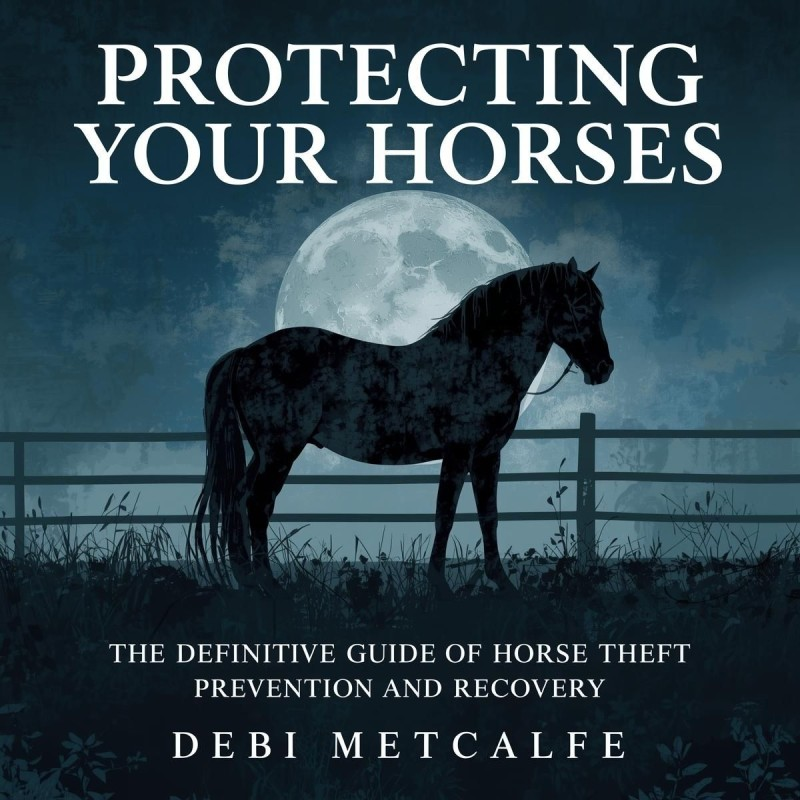
Download this free guide for immediate use.
World Horse Welfare has information on how to keep horses safe. This includes microchipping and keeping passports locked away (it’s illegal to sell or export a horse including for slaughter without a passport).
This will also include markings, so police can identify missing horses, so take good photos beforehand from all sides, with distinctive markings and whorls, at different times of the year.
Ensure gates are secure (and can’t be lifted off their hinges), and install motion-activated sensor lights and create a Horse Watch Group with CCTV and possible alarms.
Ask your vet for recommendations about two other methods that are used to deter theft:
- Freezemarking is done under local anaesthetic, a permanent marker where a copper iron cooled in liquid nitrogen is held against the skin for a few seconds (this destroys hair pigments to leave either a white legible mark or bald mark on white horses). It obviously must be done by trained professionals.
- Hoof-branding (not the same as hot iron branding) is a painless way to burn ID (like postcodes or phone numbers) into the insensitive part of the hoof, though of course it needs repeating as hooves grow out.
Both of these make horses harder to sell. And are also good for identifying horses during natural disasters.
Time to Ditch Horse Carriages (What to Do Instead)
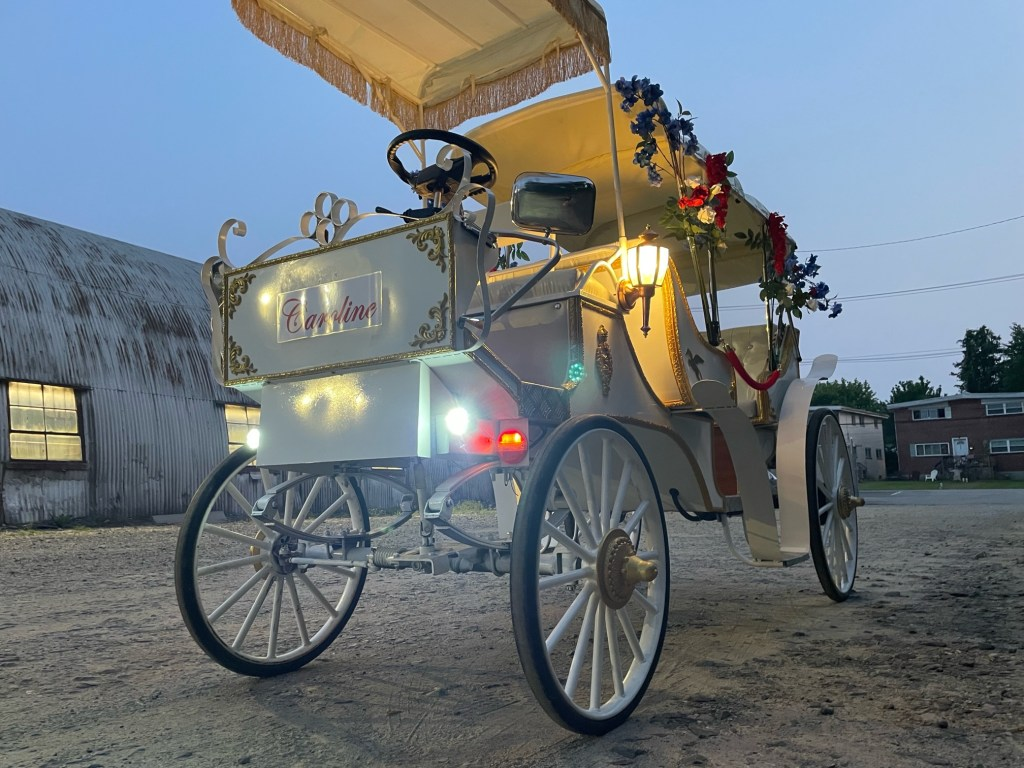
Meet Caroline – the horseless e-carriage!
Years ago, all towns and cities in England would have horse-drawn carriages, to transport people around, whether for leisure or business. The first ‘taxis’ were horses, and actually the RSPCA was originally set up, due to concerns over their welfare as draught animals.
Alternatives to horse-drawn carriages
Florida’s Old Mount Dora Carriage Company (Florida) is one of the first carriage ride companies that doesn’t use carriage horses, to transport people.
These beautifully designed vehicles are used for tourist historic ride and weddings, along with romantic excursions. The company was founded, to offer an alternative to horses having to work in Florida’s stifling heat.
Electric carriages and small vehicles give a nod to tradition without using horses. They’re quiet, clean, and efficient. Many cities now offer electric carriage tours designed to feel like the classic experience, but without animal suffering or pollution.
Cycle rickshaws use pedal power instead of horses. Pedicabs work well in city centres for short trips and sightseeing. They’re easy to manage, emit no petrol fumes, and keep drivers and riders happy.
Concerns worldwide over horse carriage rides
Worldwide, there are huge concerns over tourists being asked to pay for ‘animal rides’ on all creatures from donkeys to elephants. In England, we do have much better welfare standards for both horse and donkey rides (there are now laws to prevent obese children riding donkeys on beaches).
But we still do have many tourists pay for horse-drawn carriage rides. No doubt the horse guardians look after their animals well.
But with climate change comes very hot weather, and just as in New York (read more on that below), horses are great risk from being spooked by noise, fireworks and are often at risk from traffic accidents.
Horse-drawn carriages (as you know if you’ve ever watched a Wild West film) were the transport of choice everywhere, before cars were invented. They were also likely faster (the first car accident that killed someone was only driving a few miles per hour).
First invented in the 15th century for nobility, the horse carriage was grand and luxurious (just as we see today for parades with royal weddings and funerals). As time went on, horse carriages became used for many purposes.
Streets are too hot and busy
Obviously we don’t want our streets overrun with cars either. But huge population growth and freak weather (meaning it’s often too hot to walk ourselves and dogs on streets, let alone horses) means it’s time to move on to a more compassionate age.
Years ago, conditions for horses were gruelling, with working animals pulling heavy loads. Today they instead pull carriages, with people in them.
Cities are too polluted
Modern pollution means that horses can suffer respiratory conditions, and their hooves can also suffer from regular pounding on pavements, not their natural surface (grass is).
When not pounding the streets for tourists or parades, most working horses are not grazing in fields, but cooped up in small stables, until they start work again.
Horses Are spooked by noise and traffic
Horses also naturally are very quiet and docile social animals, who love to just graze and be happy and peaceful in fields. Many working carriage horses spend their lives in noisy towns and cities, spooked by noise, fireworks, loud music and festivals.
Just imagine carrying a heavy carriage down a street with thousands of noisy humans cheering? That’s what happens to the average horse with a royal wedding or funeral parade.
You may have recently seen on the news how panicked horses in London escaped from the Household Cavalry, to rampage through the streets (at least one was injured, yet still kept running, covered in blood).
Many horses are startled by traffic. In New York City, there have been several fatalities. There are upsetting photos of horses lying injured or dead in roads, which obviously is distressing also for residents and tourists.
Carriage horses are often thirsty
Carriage horses are also exposed to a wide variety of differing temperatures. No matter if it’s a cold or hot day, they must pound the streets no matter what, unless the temperatures are too extreme.
In everyday life, horse guardians know when to put their horses out to graze and when to keep them inside in stables. Carriage horses don’t get this luxury.
Asphalt in particular can dangerously heat up (which is why people say that if the pavement is too hot for your hand, it’s too hot for dog paws). And that means it’s also too hot for horses, who in nature will typically drink 5 to 10 gallons of water a day.
In hot weather, they could lose up to 10 gallons of water, which puts them at risk from severe dehydration. If you are walking along and you’re thirsty, you can stop off at a shop to buy a cold drink.
A horse on a parade or tourist ride can’t do this. He or she has has to wait until later on, even if it’s too hot or it’s a simple case of thirst from exercise.
Horse carriages are increasingly banned abroad
The Bill to ban horse carriages in New York is set to become Ryder’s Law, named after an elderly New York carriage horse who collapsed in a heatwave and died a few months later, found to be suffering from many ailments.
Horse-drawn carriages are also banned in Chicago, Dallas, Brussels, Rome and Montreal. Strangely, the one country fighting to keep horse-drawn carriages appears to be England. We often think (perhaps unfairly) that ‘Spain is cruel to animals’.
Yet while we still have horse-drawn carriages for tourists, they have been banned in many Spanish resorts, including Palma (Mallorca). And the centre of Prague.
In Brussels (where horse carriages are also banned), the Electric Carriage Tour has taken over. Departing from the Grand Palace, tourists discover this historic city with a driver who also runs a commentary to let people know about this beautiful place.
No booking is required and each carriage can carry up to five people. It’s also covered in case of rain, so can operate daily.
When the Law Fails: Helping Tethered Horses Safely
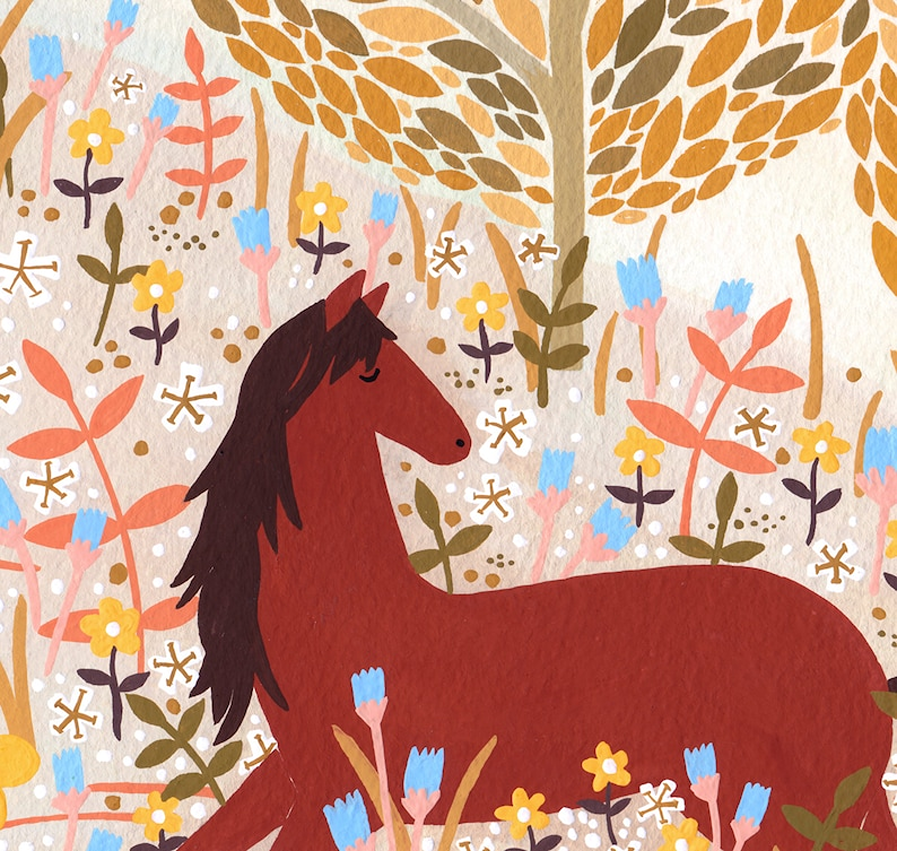
It’s upsetting if you see horses tethered, often on roundabouts in England. Surprisingly, this is still legal, as long as the horses are not neglected or restricted beyond normal tethering. However, it does raise serious welfare concerns.
Tethering is when horses are tied to fixed points like ropes, to restrict their movements. It’s usually done (especially by people in travelling communities) to enable horses to safely graze, when they don’t have a secure fenced field, like most people who look after horses.
So in a nutshell, tethered horses are nearly always that way, due to the horse guardians not having the money to rent or buy secure fields with access to grass.
Obviously if the horses are suffering (like being tangled, injured or starving, call one or more of the following:
But if this is a case of not being able to do anything legally, then the obvious answer is to stay on friendly terms and if the people still wish to keep their horses, to find some secure fenced land nearby for their horses to graze on, and keep safe from traffic.
The other thing people with equine knowledge could do, is to give some friendly advice. Perhaps you have some more comfortable equipment you could donate, to make the areas safer and more comfortable for the horses?
Understanding legal tethering of horses
In the UK, tethering horses is a legal but regulated practice. The law doesn’t strictly ban tethering, but it sets out rules to keep horses safe and healthy. Welfare codes from the Department for Environment, Food & Rural Affairs (DEFRA) and the Animal Welfare Act 2006 give clear guidance.
Legal tethering must meet these basic conditions:
- The tethered horse must have access to water and food.
- The tether should not cause injury or restrict movement painfully.
- The environment must be safe, without hazards like busy roads or sharp objects.
- The horse should not be left tethered for long periods, without proper breaks.
- The guardian must check the horse at least twice a day.
Some guardians tether horses for grazing, rest, or because there’s no proper fencing. A well-cared-for tethered horse may be in a much better state, than one left to wander in dangerous areas. Still, long-term tethering can cause both physical and mental stress.
Signs of welfare needs in tethered horses
Tethered horses can face unique risks. Some signs of poor welfare are easy to spot from a distance.
Look for these warning signs:
- Visible ribs or hip bones: Shows weight loss or malnutrition.
- Long, tangled mane or dirty coat: Signs of neglect.
- Limping, wounds, or sores: Tether may be too tight or unsafe.
- No access to water: Buckets tipped over or forgotten.
- Standing in thick mud or waste: Bad environment or poor management.
Do not cross fences or enter private land. Instead, observe from a safe distance and take clear, dated photos if possible. Write down details like the horse’s colour, size, location, and anything unusual. Stay calm; don’t jump to conclusions, but don’t ignore real signs of distress.
Support welfare of legally tethered horses
If you see a tethered horse in need, simple actions can help.
Here’s what you can do:
- Report your concerns: Contact your local council or RSPCA with your evidence. Clear reports speed up investigations.
- Speak kindly: If safe, try to talk with the guardian. Offer help or advice. Sometimes owners don’t know the rules or best practices.
- Provide water (with care): If a horse has no water, and you’re near public land, you may leave a bucket outside the fence. Never trespass.
- Monitor the horse’s welfare: Check back in a day or two, to see if the problem is fixed.
- Document everything: Keep records of when, where, and what you saw. This helps if authorities need details later.
But if this is a case of not being able to do anything legally, then the obvious answer is to stay on friendly terms and if the people still wish to keep their horses, to find some secure fenced land nearby for their horses to graze on, and keep safe from traffic.
The other thing people with equine knowledge could do, is to give some friendly advice. Perhaps you have some more comfortable equipment you could donate, to make the areas safer and more comfortable for the horses?
Effects of tethering on horses
Tethering horses sometimes is done in good faith, to keep them safe. But tethering can restrict movement that leads to sores and injuries, and of course it’s boring for horses.
Some may even get tangled up, and limited access to proper grazing and shelter can leave some horses hungry, dehydrated and affected by extreme weather.
Horses are also sociable herd animals, so tethering them stops them interacting with other horses, and this can lead to distressing psychological problems and depression.
What’s the law on tethered horses?
Although tethering horses is not at present illegal per se, the UK Animal Welfare Act 2006 says that all people looking after animals, must ensure their basic needs:
- Proper food and water
- Proper shelter
- Proper exercise
- Protection from pain and suffering
So while the Act does not ‘ban’ tethering, it does make neglect or mistreatment illegal. Proving neglect is not easy (a bored distressed horse can’t show ‘symptoms’). But councils may be able to change these laws, to bring in more stringent practices.
For instance, some councils require licenses for people to tether animals, so they can check on welfare, and have numbers you can call for concern, and also won’t allow horses to be tethered near busy roads (where they also will get spooked).
Often if you see a tethered horse, when you return it may have been moved, as people tend to move them around for different grazing.
How to help tethered horses (legally)
If you do report a horse you’re concerned about to the above organisations, provide them with detailed information such as the horse’s location (before it moves on), condition and how long it’s been tethered.
You can’t trespass or move horses yourself legally, but you could try to take photos or videos if it helps build a case for horses you are concerned about.
The biggest helper as stated above, is to find people with land to donate, so that the people without secure land can either hand over horses voluntarily, or have nice secure land (hopefully with stables) for horses to enjoy.
Engage with local councils to bring in better practices, like helplines for concerned local people, and licenses to ensure tethered horses have better welfare. Perhaps write to your local councillors and MPS, and ask him or her to get involved.
The Price of a Bet: Improving Horse Racing Welfare
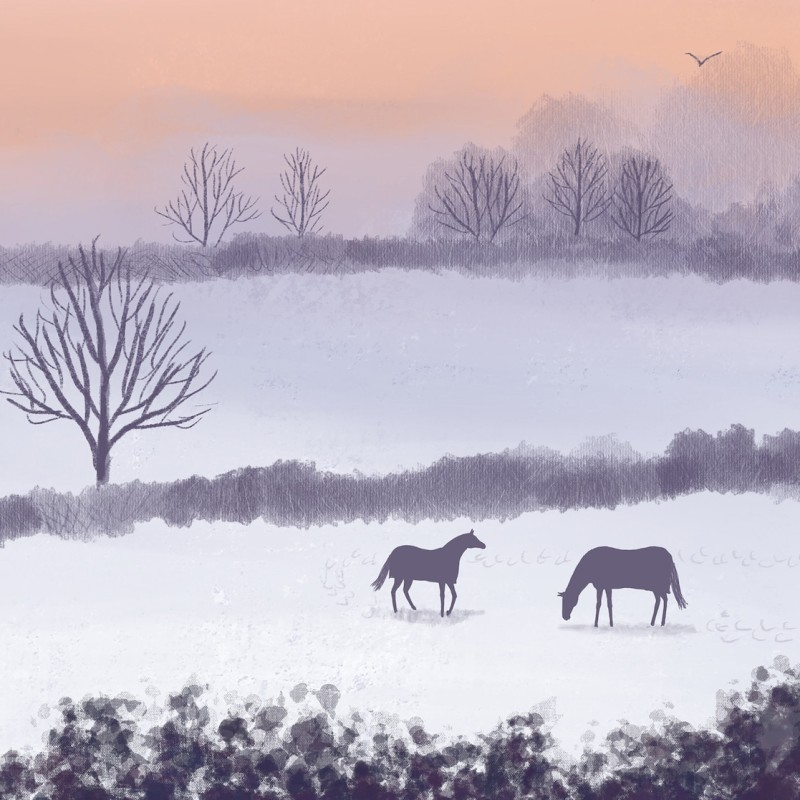
Horse racing often gets framed as traditional sport (so does greyhound racing though it’s far less popular with less than 20 tracks remaining). Yet the welfare record tells a harder story. Major events are linked with deaths, broken bones, pain and extreme exhaustion. Behind the pageantry, there are horses pushed into a system built around money, betting and constant turnover.
Horses are herd animals. They like to graze, move freely, rest with other horses and live in stable social groups. Racing asks for something very different, intense training, artificial schedules, crowded transport, loud race days and high-speed competition over ground and obstacles.
Galloping flat out in a race is not a natural pattern of movement for them, and neither is jumping severe fences in a crowded field.
Ban the whip in racing
A ban on whips is one of the clearest welfare changes available. The whip is still defended as a safety tool and a means of encouragement, yet research by Professor Paul McGreevy showed that races without whips did not show worse safety or speed outcomes.
In Britain, whip rules include strike limits (for example, seven in a flat race). For many people watching at home, any ‘allowed’ number still looks wrong.
Tongue-ties can restrict movement of the tongue to help breathing, yet critics worry about discomfort and poor use. Spurs raise questions for the same reason.
Ban steeplechases, and reduce jump heights
Steeplechases carry obvious risk. Horses fall at speed, clip fences, rotate on landing and suffer broken bones, head trauma and soft tissue damage. In the worst cases, they die on the course or are euthanised soon after. A welfare-led system can’t keep treating that as an unfortunate side issue.
The Grand National (4.25 miles with 30 fences) has had dozens of horse deaths since 2000. As the race goes on, fatigue changes everything. A tired stride can mean a poor take-off. A slight stumble can become a fall. When a horse falls at speed, the risk of fatal injury rises fast.
A practical change starts with ending steeplechases. Then, remaining jumps should have limits on fence height, drop, spacing and field size. Obstacles should be reduced to the lowest level possible, with an independent review after every serious fall. Some argue that white hurdles are easier for horses to judge than orange ones, especially in poor light or heavy rain.
Reduce distances & frequency of runs
Long distances, repeated campaigns and short turnarounds between runs all raise the physical burden on horses. Shorter races and longer rest periods would ease some of that strain. Tendons, joints, lungs and stress responses don’t reset because a meeting is prestigious or heavily backed.
The 2025 case of Celebre d’Allen brought this into focus. Reports described travel from Somerset to Aintree, a race where he did not finish, then the return journey. He later collapsed and died from a severe bacterial respiratory infection, with exhaustion seen as a likely factor.
Introduce heat rules (no racing in hot weather)
You wouldn’t let your dog run in hot weather, so why horses? Horses can overheat, dehydrate and suffer from respiratory strain and collapse, especially when asked to race at full intensity. Hot conditions make recovery harder, and turn exertion into a medical emergency.
If temperature and humidity rise past a set point, racing should stop. No waivers, no no pressure from organisers, broadcasters or betting interests. A horse can’t consent to running through heat stress.
Heat policy should also include transport and stabling. A horse may arrive already stressed from travel, then stand in warm, busy surroundings before racing.
Race-day vet checks (before & after each race)
Every horse should pass an independent veterinary exam before racing, with attention to gait, breathing, hydration, heat stress, recent treatment and signs of pain. After the race, the checks should happen again, because many injuries don’t show clearly until adrenaline drops.
A proper system needs standard checklists, full records, immediate scratch powers and no commercial penalty for a vet who withdraws a horse on welfare grounds. Lameness, bleeding, collapse, abnormal recovery and deaths need public reporting.
Independent regulation (over self-policing)
Self-policing doesn’t work when the same system profits from racing, promotes racing and judges its own welfare record. A sport can’t be a fair referee in matters that threaten its income.
Welfare decisions should sit with a body that has no financial stake in entries, attendance, betting turnover or media rights. It should have the power to suspend trainers, close unsafe courses, ban race formats and publish findings in full.
Zero doping & medication abuse
Performance-enhancing drugs, pain-masking substances and improper medication all put horses at greater risk. A horse can run when it should be resting, or keep going on an injury that would otherwise force withdrawal.
It makes pain less visible while raising the chance of catastrophic damage. It also rewards the people most willing to test the edges of the rules. Doping should lead to long bans and publication of offences.
Use profits for racehorse welfare
A proposal to direct £12 million to racehorse welfare should be seen as a floor, not a ceiling. For an industry that generates substantial money through racing, sponsorship and gambling, a ring-fenced welfare fund is basic housekeeping. Horses create the income. So should benefit from the profits.
That money should not disappear into vague schemes or public relations campaigns. It should pay for independent vets, on-course care teams, injury prevention research, retraining, sanctuary support, emergency transport and lifelong tracking of horses leaving the sport. It should also fund inspections and enforcement.
Reduce breeding numbers (foal welfare)
Around 13,000 foals are born into the Irish and British racing industry each year. That figure says a lot on its own. Not every horse bred for racing will race well, stay sound or find a secure home when useful years are over.
Overbreeding creates a steady flow of young horses entering training, while others leave through injury, poor performance or simple lack of commercial value. Some are rehomed, but not all. Some disappear into low-visibility sales routes. Some end up slaughtered at the end of life.
Traceability should follow every horse from birth to death. That means one complete, accessible welfare record, covering breeding, ownership, training, racing, injuries, retirement and end-of-life outcome. It puts responsibility on breeders and regulators to account for what happens after the final run.
Fund racehorse sanctuaries and rehoming
Racehorse sanctuaries take horses that need time, treatment and stabling, after the commercial side has moved on. They need secure funding, not occasional donations attached to image management. Horses leaving racing may need months, sometimes years, of patient care before they settle into another life.
One way to help is support sanctuaries like Racehorse Rehoming Centre and Racehorse Rescue.
Some racehorses are slaughtered at the end of life, or after they stop being commercially useful. Banning the slaughter route for former racehorses would force the industry to own the full life cycle it creates. Welfare means little, if it stops when the horse is no longer profitable.
Regulate gambling (a wider social cost)
The business of racing is tightly linked to gambling. More races mean more betting opportunities. Bigger spectacles mean more money. And horses become the last concern.
Quakers (who never gamble) say that when you bet, others have to lose, so you win (you are taking the winnings of someone in debt, and alongside contributing to poorer horse welfare).
Read more on how to find help for gambling addiction.