Shark Conservation: Protect Basking Sharks to Great Whites
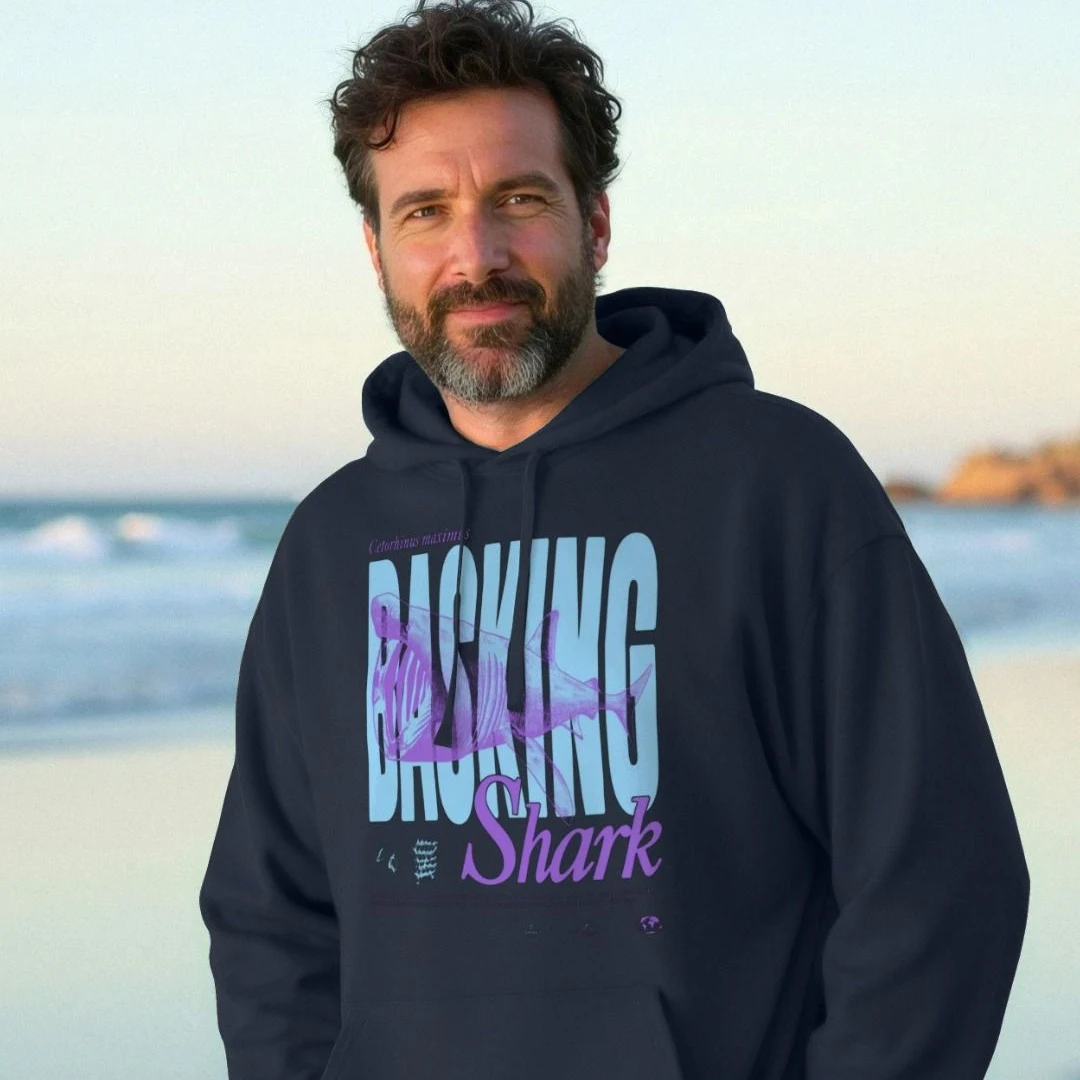
Basking sharks are native to our waters (mostly Scotland). But there’s no need to be scared. Basking sharks just eat krill and fish, and will swim right past you. The only fatality was years ago, when one accidentally upturned a small boat, with sailors inside.
The Shark Trust sells organic cotton tees and sweatshirts, made with green energy and sent in zero waste packaging. Each purchase helps fund the charity to help basking and other sharks.
The second largest fish in the world, these are truly gentle giants, who will swim right past you (their mouths are wide open but they are looking for plankton and krill, not you).
Campaigners ask people to boycott krill supplements. Still sold in Boots, they say there is not ‘sustainable krill farming’, as marine creatures need them for food.
Basking sharks can grow up to 30 feet long. They are only in our seas for some of the year, you sometimes spot them in Cornwall and Devon or western Scotland, due to plankton blooms. But they live abroad the rest of the year.
Like all marine creatures, oil and plastic pollution and over-fishing (and by-catch methods) now mean basking sharks are endangered (it’s illegal to harm them).
Help Stranded and Injured Basking Sharks
If concerned about any marine creature, call British Divers Marine Life Rescue (RSPCA and Coastguard can also put you through). Keep the area quiet, to reduce stress.
You can take Marine Mammal Medic Course, to join rescue volunteers (you must have a smartphone – and receive a lifejacket and insurance for the first year).
If you sail a boat and spot a shark (or any marine wildlife), keep at least 100 feet away (or further away if possible for large creatures). If the creature approaches your boat, switch the engine off and slow your speed to 4 knots.
Never use jet skis or flash photography. If you dive or snorkel, enter the water gently, to avoid splashing, and again keep your distance – it’s their territory, not yours.
Other Sharks Found on England’s Coast
- Shortfin mako sharks can swim up to 50 miles per hour. They eat swordfish and tuna and (like dolphins) dive out of the water.
- Blue sharks only visit England in summer, and sometimes travel up to 5000 miles to reach us! Swimming in large groups, tiger and great white sharks often eat them on the journey.
- Common thresher sharks have a tail that’s often longer than them, which they whip around to stun or disorientate fish on sea-beds.
- Greenland sharks are smaller than great white sharks, and swim so deep, you are unlikely to see them. They live from 250 to 400 years, and can take up to 18 years to gestate a baby!
Other Super Sharks (that never visit England!)
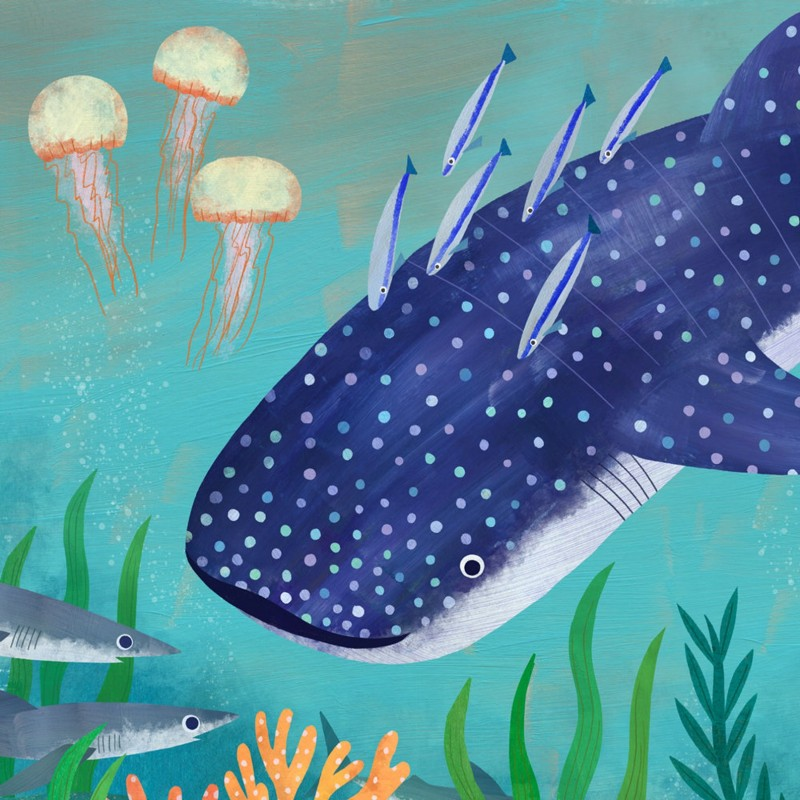
Only found in warmer waters (not England), whale sharks are the largest fish in the world (the size of a bus, with unique starry patterns).
They are named, due to swimming slowly near the water surface, as if they are basking in the sun!
The nine species of hammerhead shark have binocular vision, and can use their heads to ram their prey. They can swim sideways, and females can fertilise their own eggs, without a male shark!
Why we need to protect all sharks worldwide
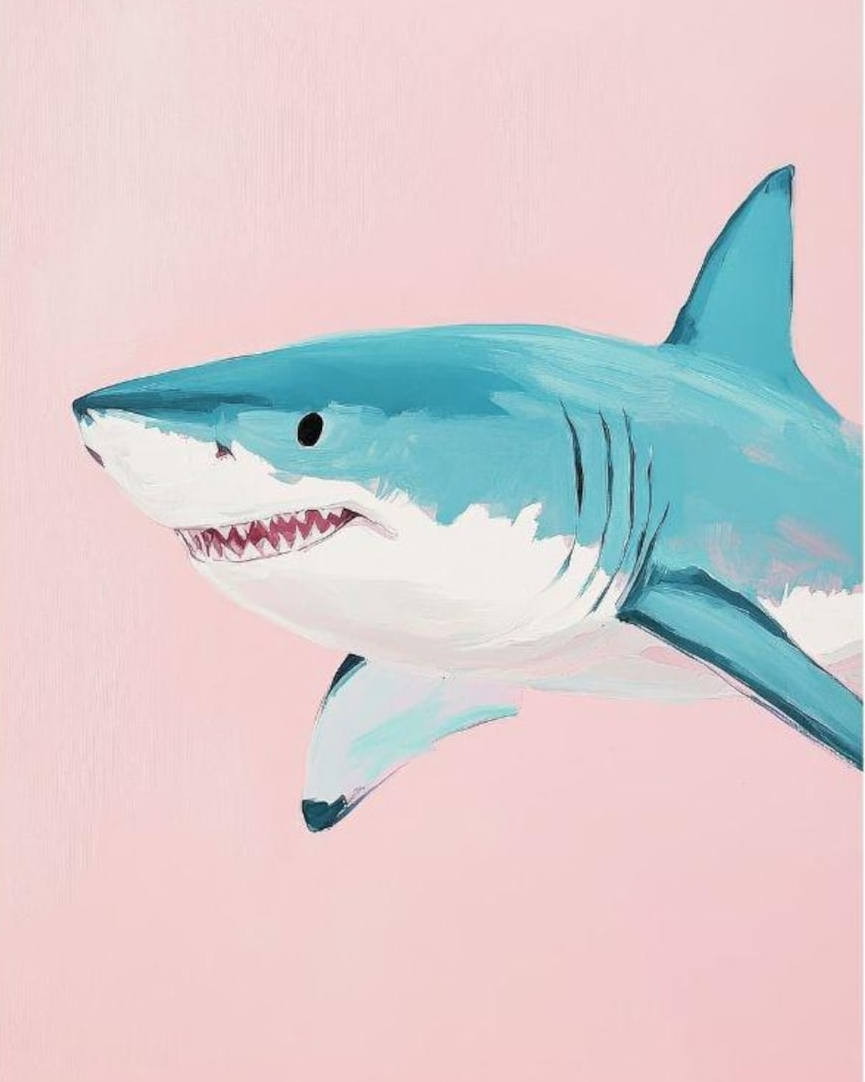
Although England has harmless basking sharks, we don’t have great white sharks in England. They may look terrifying with their huge sets of teeth, but actually toasters kill more people each year.
Most shark attacks are when they mistake glistening surfboards for fish, and end up taking a bite of a human (who can bleed to death), but usually never eats a person, as we are not their natural diet.
Killing sharks is not just cruel, but plays havoc with ecosystems (in nature, sharks are predators of fish, and everything is kept in balance).
Visit Bite-Back for ways to help all sharks across the world. This includes (if you eat fish) knowing which brands of tuna to avoid (some also are harming sharks and other marine creatures). You can also contact the charity to alert them of anyone selling shark.
The number of sharks being slaughtered every day – primarily for shark fin soup – is shocking, and it’s got to stop. It’s time the public learned to regard sharks as the lions and leopards of the oceans, and get right behind shark conservation campaigns, before it’s too late. Steve Backshall
Avoid shark fin soup abroad
Many sharks are used to make shark fin soup (no taste, it’s just used for food decoration). The fins are cut off, and then the sharks are thrown back to sea, to die. Shark fins are illegal to import into the UK.
Also never buy shark teeth when abroad, as souvenirs.
Avoid ‘dogfish’ sold in chip shops
Some chip shops are now selling shark (labelling it dogfish), as cod is now so endangered, there are not enough stocks.
Be a sustainable sailor to help endangered sharks
If you sail a boat and spot a shark (or any marine wildlife), keep at least 100 feet away (or further away if possible for large creatures). If the creature approaches your boat, switch the engine off and slow your speed to 4 knots.
Never use jet skis or flash photography. If you dive or snorkel, enter the water gently, to avoid splashing, and again keep your distance – it’s their territory, not yours.
Choose plant-based squalane (beauty and supplements)
Sharks are often killed for the beauty, supplement and medicine industry, to make squalane (also called squalene).
It takes 3000 sharks to make just one ton of squalene, meaning almost 3 million sharks are killed each year.
It’s used mostly for:
- Beauty products (mostly in Asia as UK brands are changing over due to consumer pressure). Boycott in anti-wrinkle creams, deodorants, lip balms, lip sticks and sun protection. Some vegan ingredients are also called squalene, so double-check before buying.
- Supplements (this is the main use in the UK, in shark liver oil supplements). Most high street chains no longer sell them, but they are still legal to sell online, so boycott.
- Vaccines (it’s a main ingredient in many medical vaccines). So if you have a choice of ingredients, ask your GP)
What are sharks?
Sharks are an ancient group of fish (that have cartilage instead of bones, which helps them make sharp tight turns without skeletal injuries). They have roamed the oceans for over 400 million years, yet some of the 500 recognised species are now threatened with extinction, due to over-fishing and hunting.
From the tiny dwarf lanternshark to the massive whale shark (the largest fish in the world), other species are harmless basking sharks (the second-largest fish) and of course great white sharks.
Sharks move through the water without friction due to scales on their bodies that feel like sandpaper. They have good eyesight and an incredible sense of smell, and many rows of teeth, which are constantly replaced by new ones from behind, as they fall out or wear down.
Sharks live in all the world’s oceans, from shallow coastal coral reefs to dark deep oceans. Apart from a few like bull sharks (that sometimes venture into warm freshwater rivers and lakes), most require saltwater to live.
Most sharks eat fish, squid, seals and other sharks, whereas the largest species (whale sharks, basking sharks and megamouth sharks!) are ‘gentle giants’ that filter-feed on tiny plankton.
Are sharks dangerous?
Shark attacks are extremely rare. And it’s usually because they mistake a human for a fish. Millions are killed each year due to over-fishing (and by-catch), habitat loss and the shark fin trade.
As mentioned above, basking sharks will swim right past you!
Buy organic t-shirts from Shark Trust

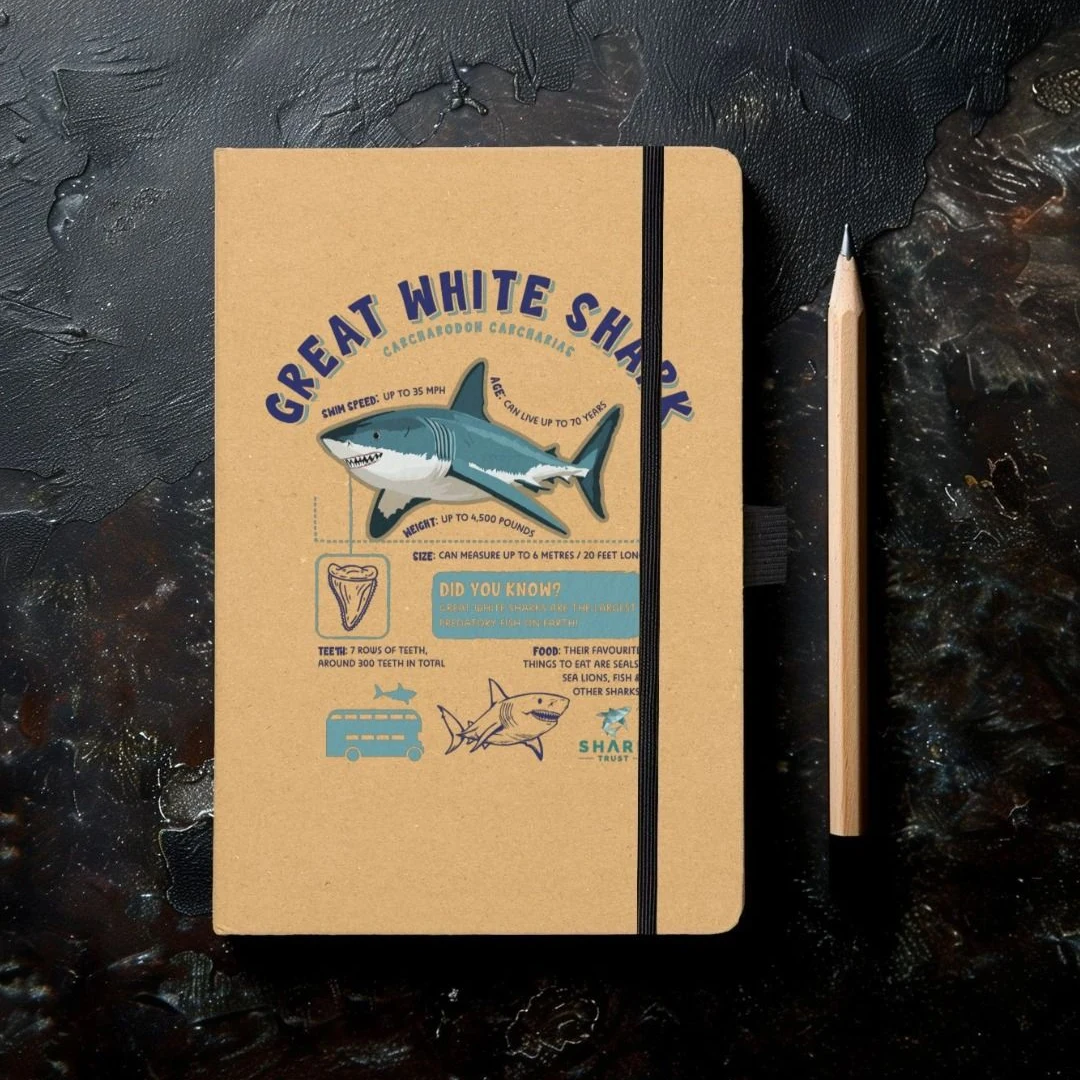
Shark Trust sells organic clothing, with profits helping their important work. The t-shirts, hoodies, sweatshirts and joggers (for men or women) are all made with organic cotton, printed with renewable energy and sent in zero waste packaging. And you can even send them back for recycling, when they eventually wear out.

There are also clothes for children (note the adult caps and beanies contain a little elastane or polyester). So try to spot-clean or launder with a microplastic catcher.

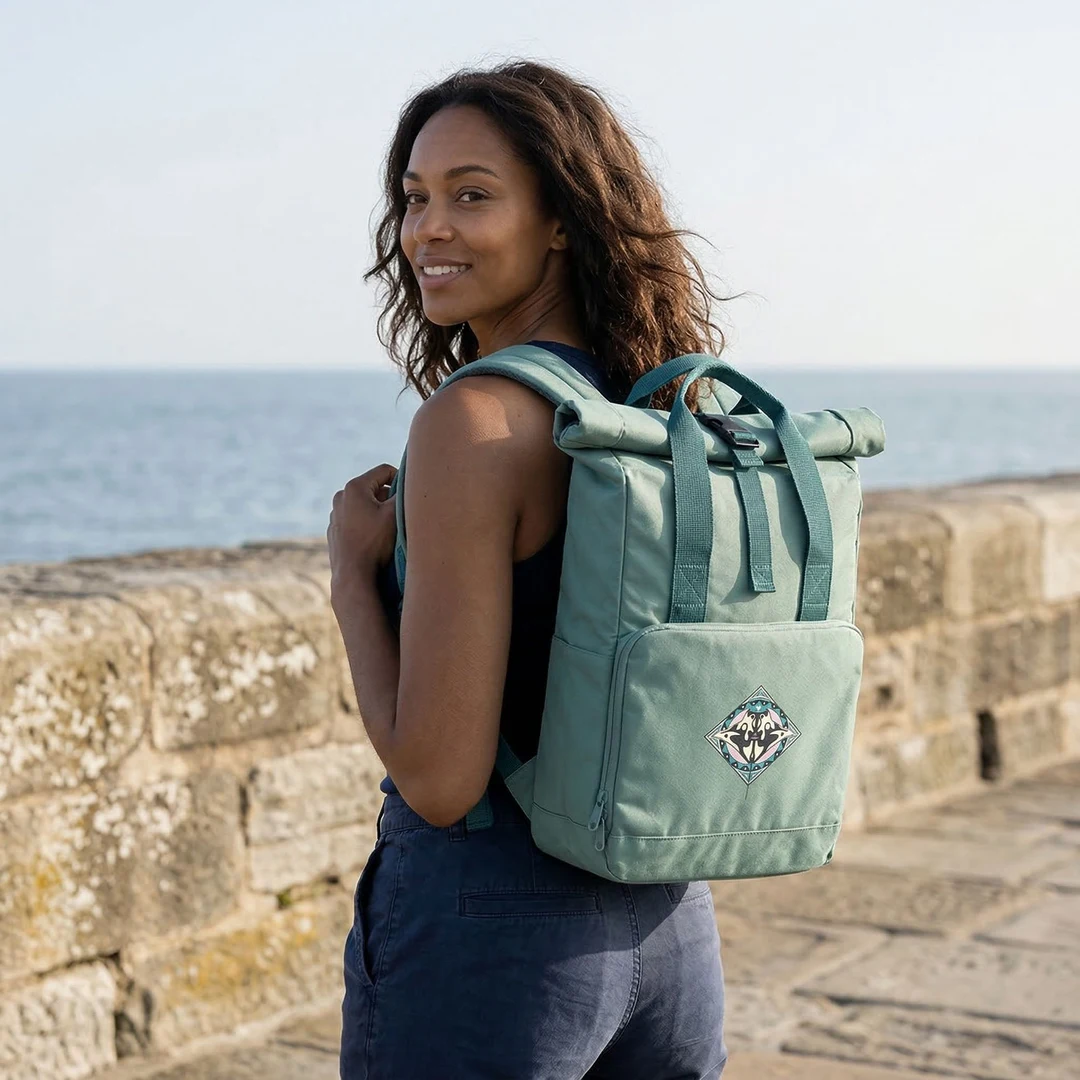
There are also totes to replace plastic shopping bags, ideal for the grocery store or just taking around town or to the beach to hold your towel and accessories. And rucksacks made from recycled materials with front pocket organisers sand internal zipped pockets for all your essentials.
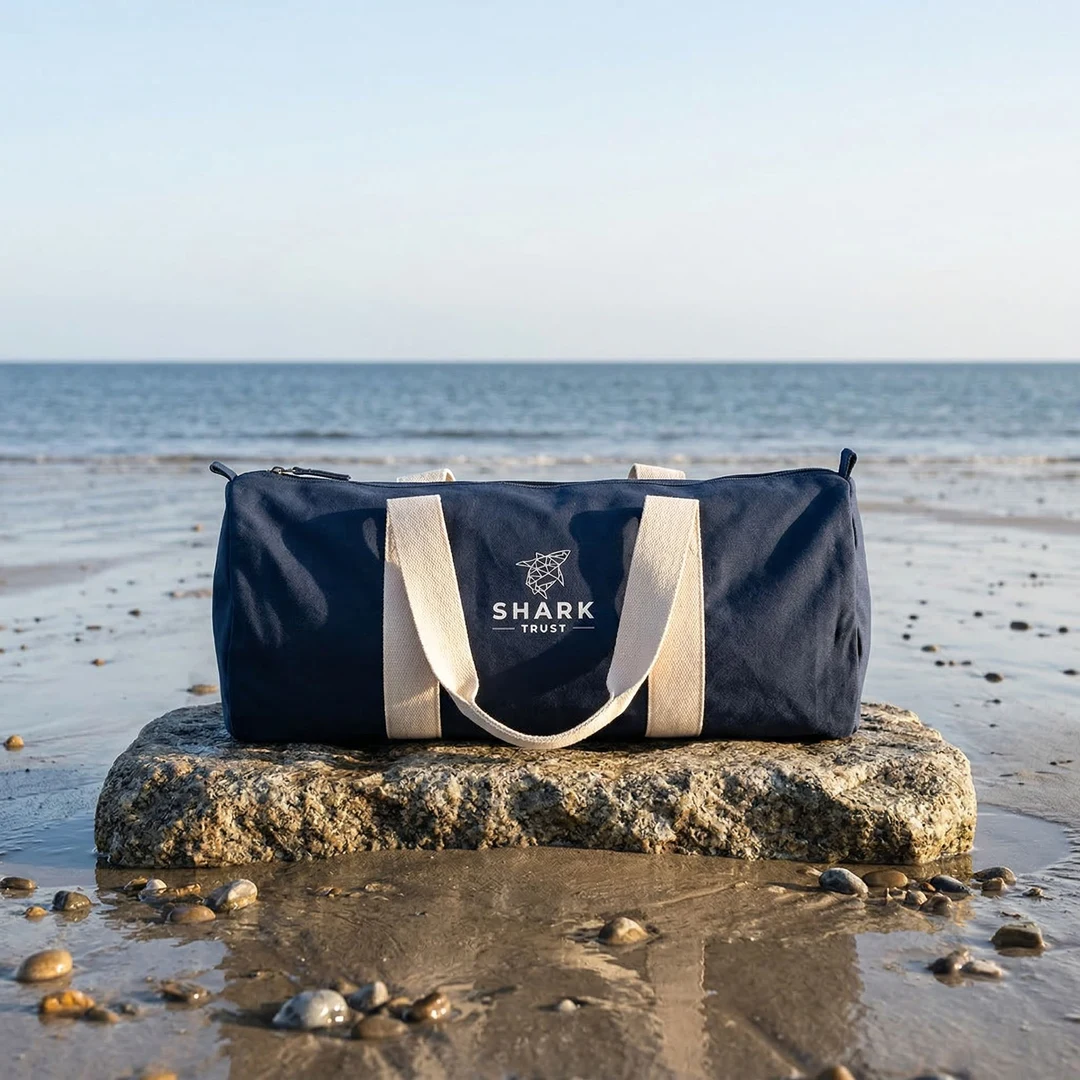
The duffle bag in cotton canvas is ideal for a sustainable weekend, or use it as an eco-friendly gym bag. The spacious 20L capacity is your go-to choice for any journey, while supporting shark conservation with each purchase.
You can also buy notepads made from recycled paper and card, and bound with a pen loop made from recycled plastic.