Homemade Jam: Sterilising, Filling, and Sealing
Of course, there’s nothing wrong with buying a jar of lovely jam from local artisans. In most cases, it’s the simplest choice! There are many local people who love making homemade jam, so you don’t have to! However if you do, it’s really important to sterilise your jars properly.
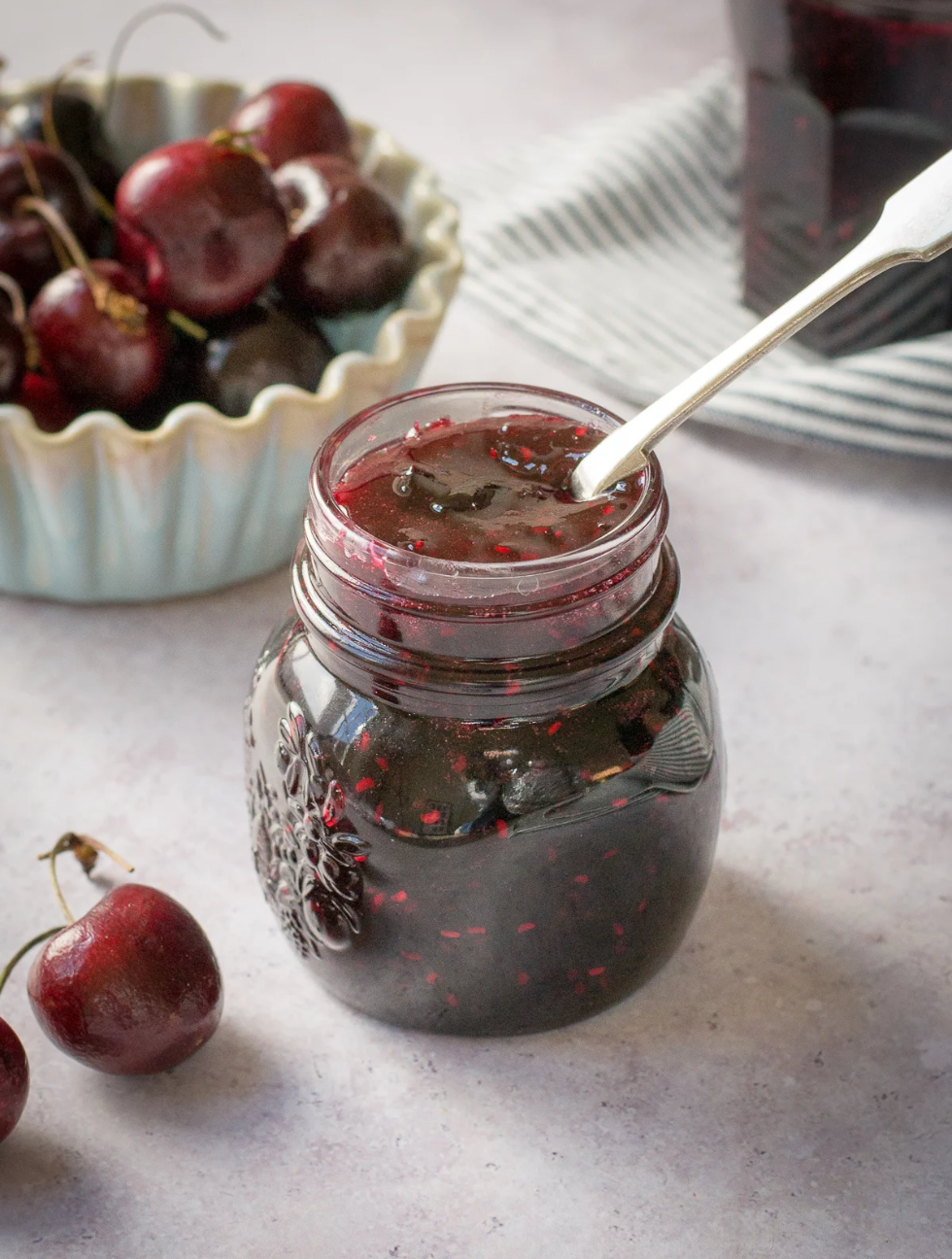
Morello cherry raspberry jam (The Veg Space) needs ‘jam sugar’ which you can find in shops. Be sure that it’s vegan sugar, as some brands filter through bone char.
To sterilise jars, wash them in hot soapy water, then rinse thoroughly. Leave them wet and place upside down on a baking tray, and heat the tray in an oven at 140°C to 160°C (275°F to 320°F) for 10–15 minutes. Alternatively, microwave damp jars on high for 45–60 seconds. Boil any seals, as dry heat damages the rubber. And keep jars warm until ready to fill.
Always keep lids on jam, to avoid tempted insects like ants. And always thoroughly rinse jars and lids for the same reason, before recycling.
Tips for making homemade jam and preserves
Keep jam away from pets due to dried fruits, citrus and spices.
Unless you have a food waste bin (made into biogas), it’s best to just bin citrus/rhubarb peels, as acids could harm compost creatures.
If using tinned fruits, rinse/remove lids (or pop ring-pulls over holes) then step on the can to pinch the inner rims together, to avoid wildlife getting trapped at recycling points.
- Cook jam in stainless steel, copper or anodised aluminium pots. Other materials will react with fruit acids, and leave a metallic taste.
- Sugar in jam-making is not just a sweetener, it acts as a preservative to bind water molecules,s and prevent microbial growth. Using low-sugar pectin will cause jam to spoil quickly. Never use xyitol either, it’s also lethal to pets, even from a tiny spilled amount.
- Low-acid fruits like apricots, peaches and pigs need commercial pectin or bottled lemon juice to raise acidity to safe levels.
- Ensure your jam reaches its proper setting point in recipes, so the sugar, pectin and acid bond properly. It’s best to test with a digital candy thermometer, and by placing a spoonful on a chilled plate, to if it ‘wrinkles’ when pushed.
- When filling jars, leave 1/4 inch of empty space at the top (to allow for expansion). But not too much, as this leaves trapped oxygen which can promote mould). Wipe the rim of the jar before putting on the lid, as any drops on the rim will prevent an airtight seal.
- For shelf-stable jam, you can submerge filled sealed jars in a boiling water bath for at least 10 minutes, to destroy surface microorganisms and drive out trapped air, to create a vacuum seal. This is why adding jams to heated jars is important, to avoid glass cracking.
- Let the jars cool undisturbed on a towel for 12 to 24 hours, you’ll hear the metal ‘pop’ as they cool. If the centre of the lid clicks down and up, it did not seal properly and must be stored in the fridge immediately. You then treat it as fresh food, eating it up quickly, not leaving it in the pantry.
- Label each jar with the fruit and creation date, store sealed jars in a cool dark and dry pantry. Once you break the vacuum seal, store in the fridge and eat within a few weeks.
- Always discard jam if the lid bulges, you smell fermention or see mould (any microscopic roots will spread through the entire jar).
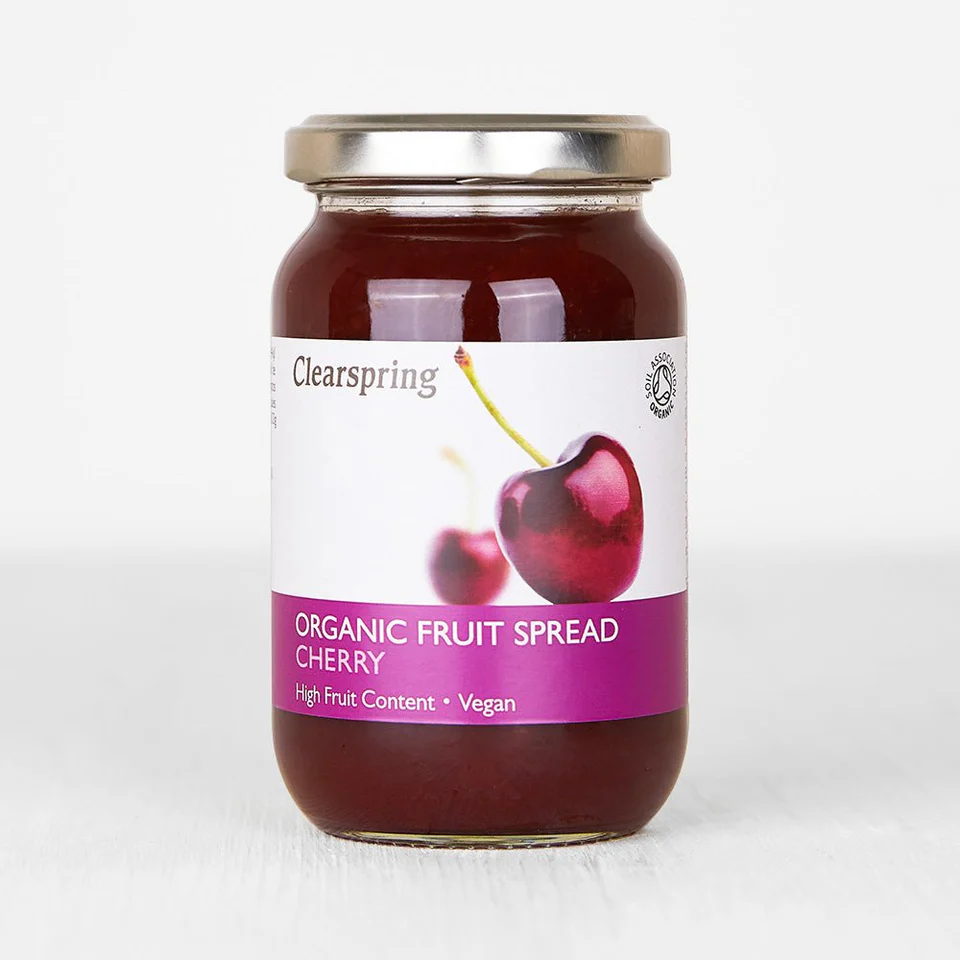
Clearspring Organic fruit spreads
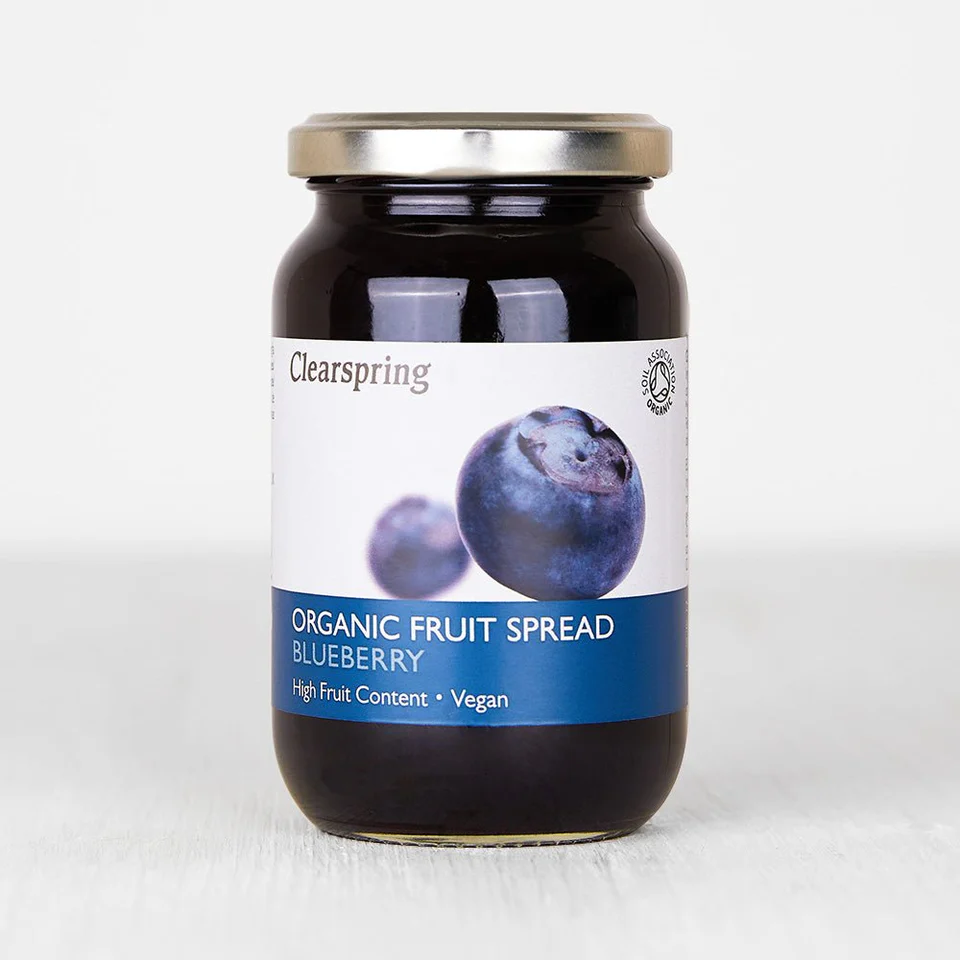
Clearspring is a UK macrobiotic company, that offers lovely organic fruit spreads in glass jars. Choose from:
- Blueberry
- Strawberry
- Apricot
- Cherry
- Orange
Recipes to use quality jam
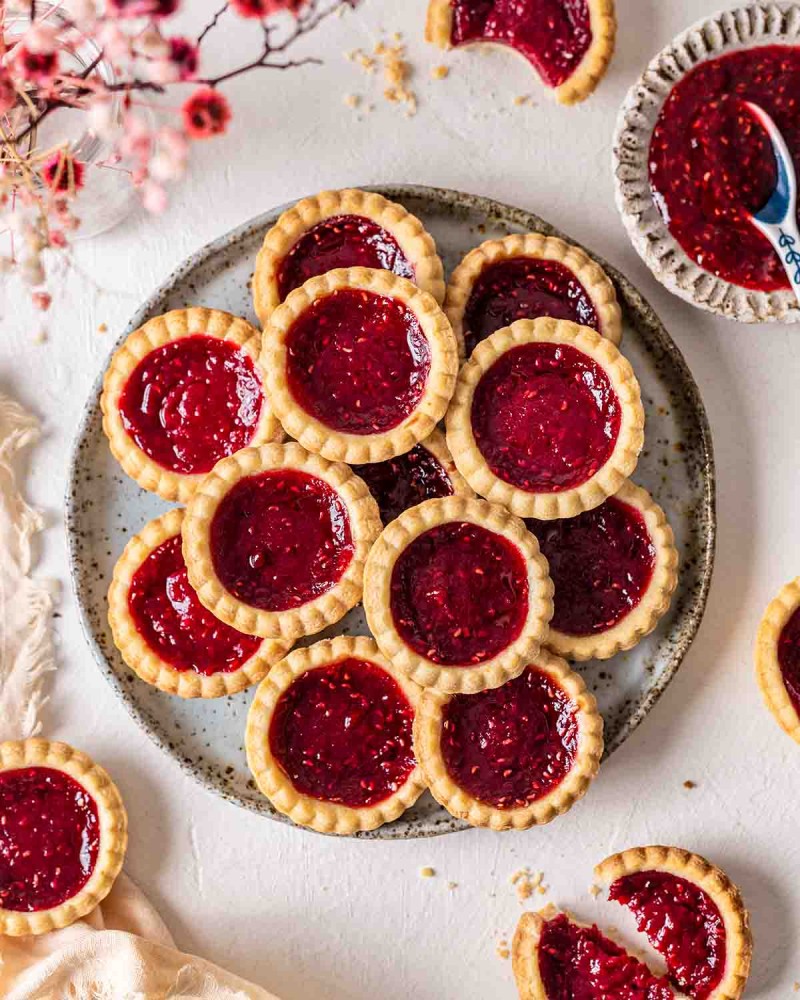
Vegan Jam Tartlets (Rainbow Nourishments) are super-simple to make. Use vegan butter with no palm oil to make the pastry, and keep fresh dough away from children and pets.
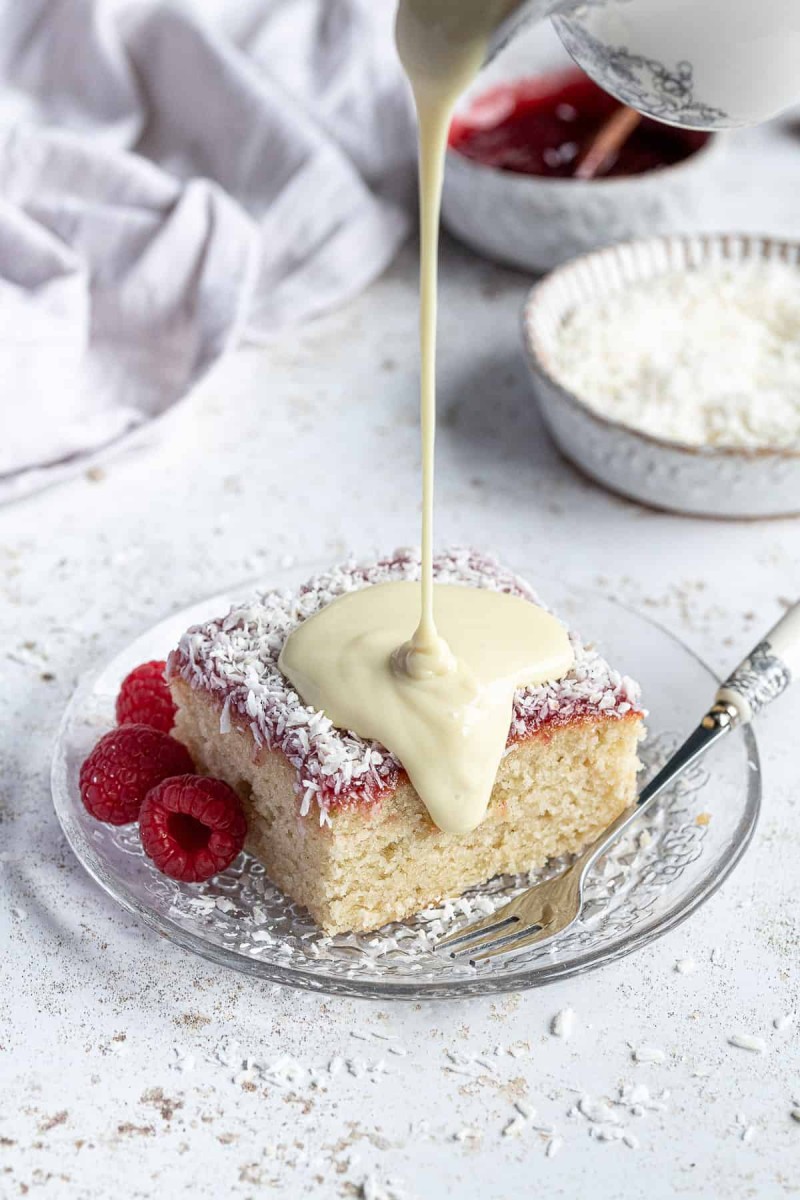
Vegan jam and coconut sponge (Domestic Gothess) is made with seedless raspberry jam, or any other red jam! Serve with vegan custard.