Mists, Moors, and Meadows: Finding Beauty in Seasons
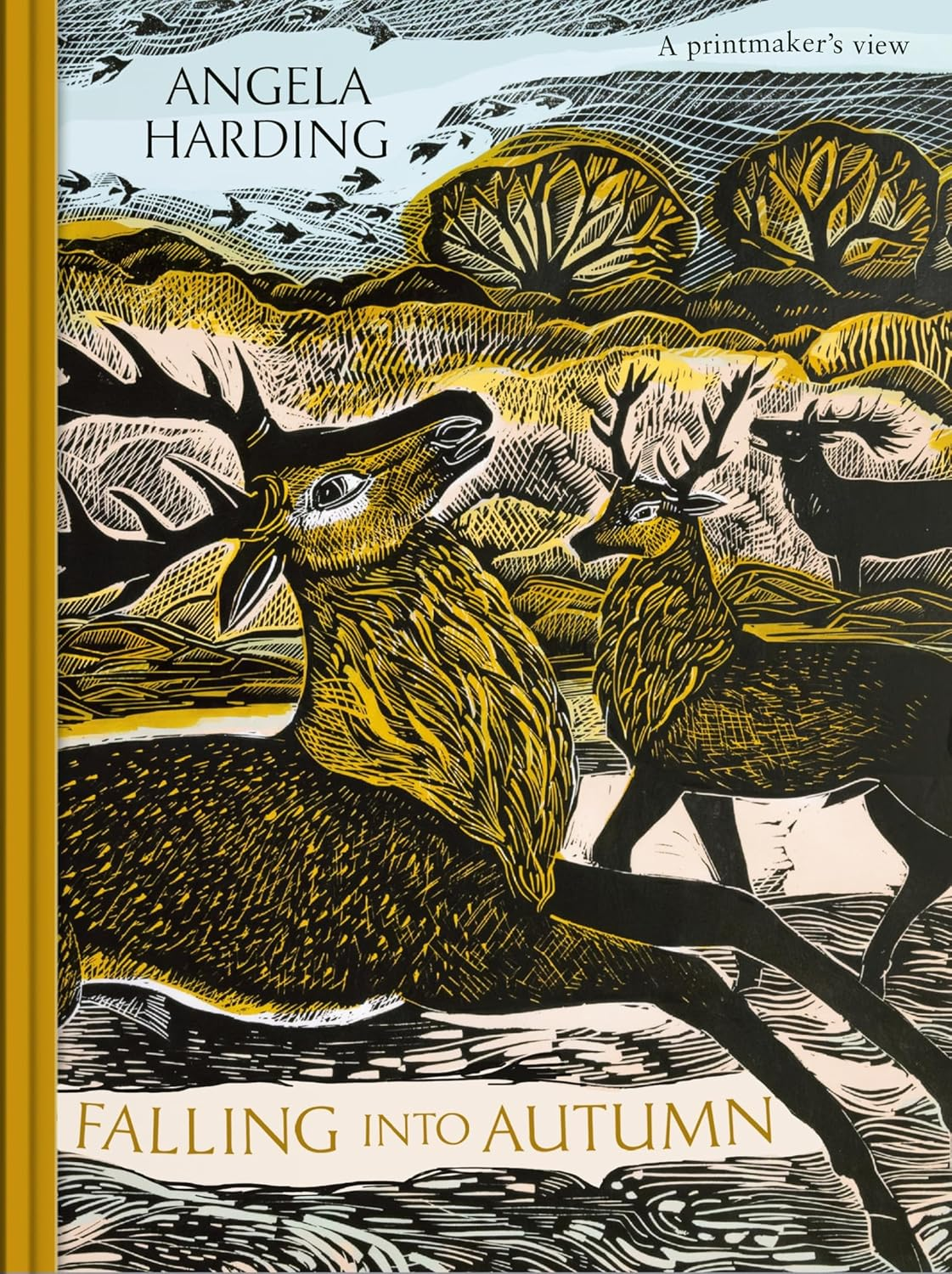
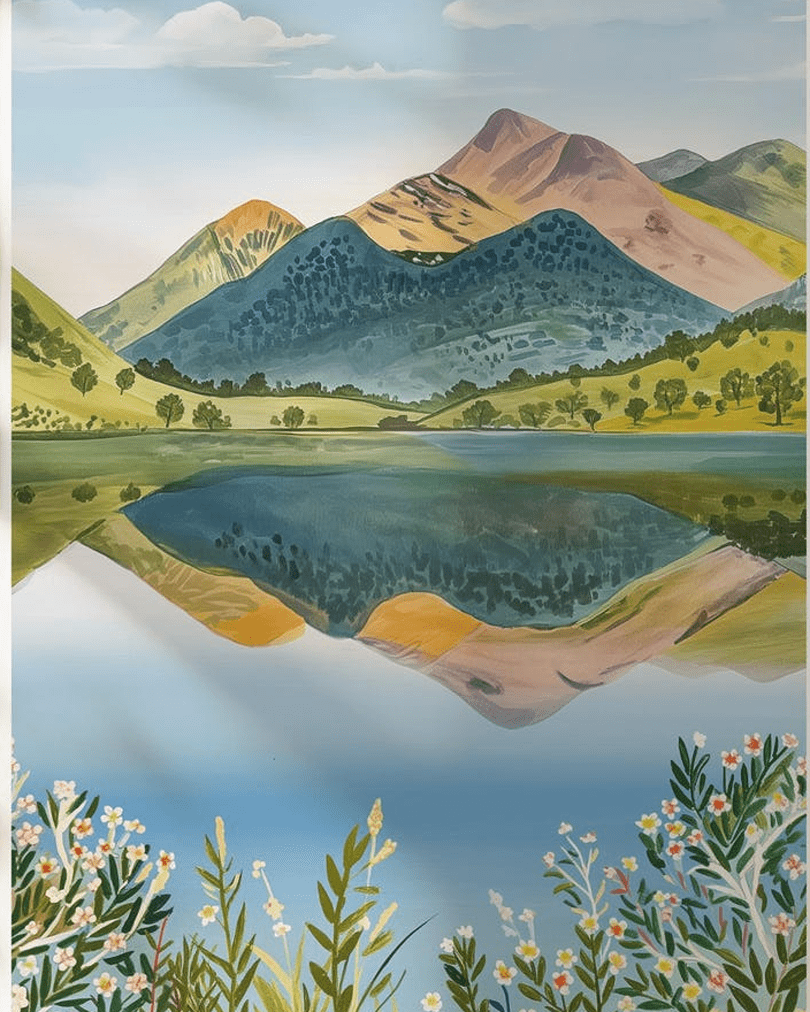
Angela Harding is a talented writer and artist, who has illustrated many books, and written more herself. Her lovely quartet of seasonal books is a delight. You can buy all four books as a gift quartet.
The author reflects on this season of new life, as it transforms around her. She takes in landscapes across the land. From her home garden studio in England’s smallest county of Rutland to the low-lying Suffolk marshlands and the windswept hills of Yorkshire. And even to the wildness of Scotland, over the border.
Falling into Autumn is a beautiful book of prose and art from a printmaker, who inspires others with her personal encounters with nature, inspired by watching jays gathering acorns, and hearing owls hooting.
I am inspired by watching jays gathering acorns, owls hooting and the joy of hearing nightingales. In the shady part of my garden, ferns grow. By the autumn, these same leaves are starting to go brown at the edges.
This seems to be at the same time that the swallows gather to leave. Together with the ferns, they are markers that the summer has gone; that one season has finished and another is about to begin.
A perfect book for anyone who loves art and nature, with beautiful illustrations and evocative imagery. The book features over 30 of Angela’s favourite prints, alongside observations taken from her previous books.
Autumn season in England casts a golden hue and chill in the air, as nights draw in, birds prepare for migration and animals prepare for winter hibernation. Trees lose their leaves and , and horse chestnut trees drop their seeds (keep conkers and leaf mould away from dogs).
Winter’s Song (a printmaker’s view)
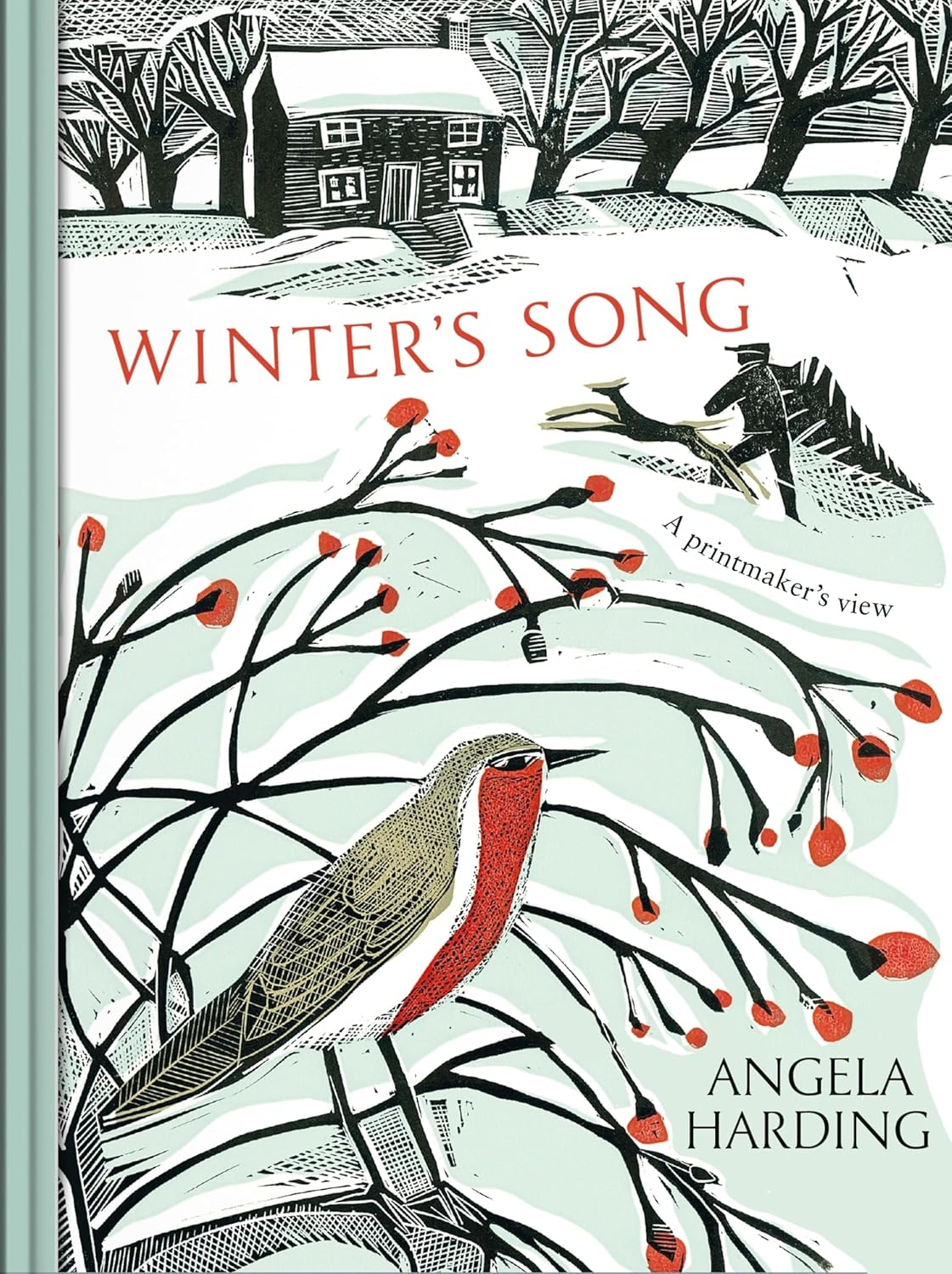
Winter’s Song is a beautifully illustrated pocket hardback guide to the season of winter. This really is something else, a delightful gift for someone you love, or for yourself as bedtime reading. The author reflects on this season of new life, as it transforms around her. She takes in landscapes across the land.
When the snow falls quickly, it brings dramatic change. Hare, rabbit and bird tracks become visible in the lanes and fields.
Read our post on keeping safe in snow.
Spring Unfurled (a printmaker’s view)
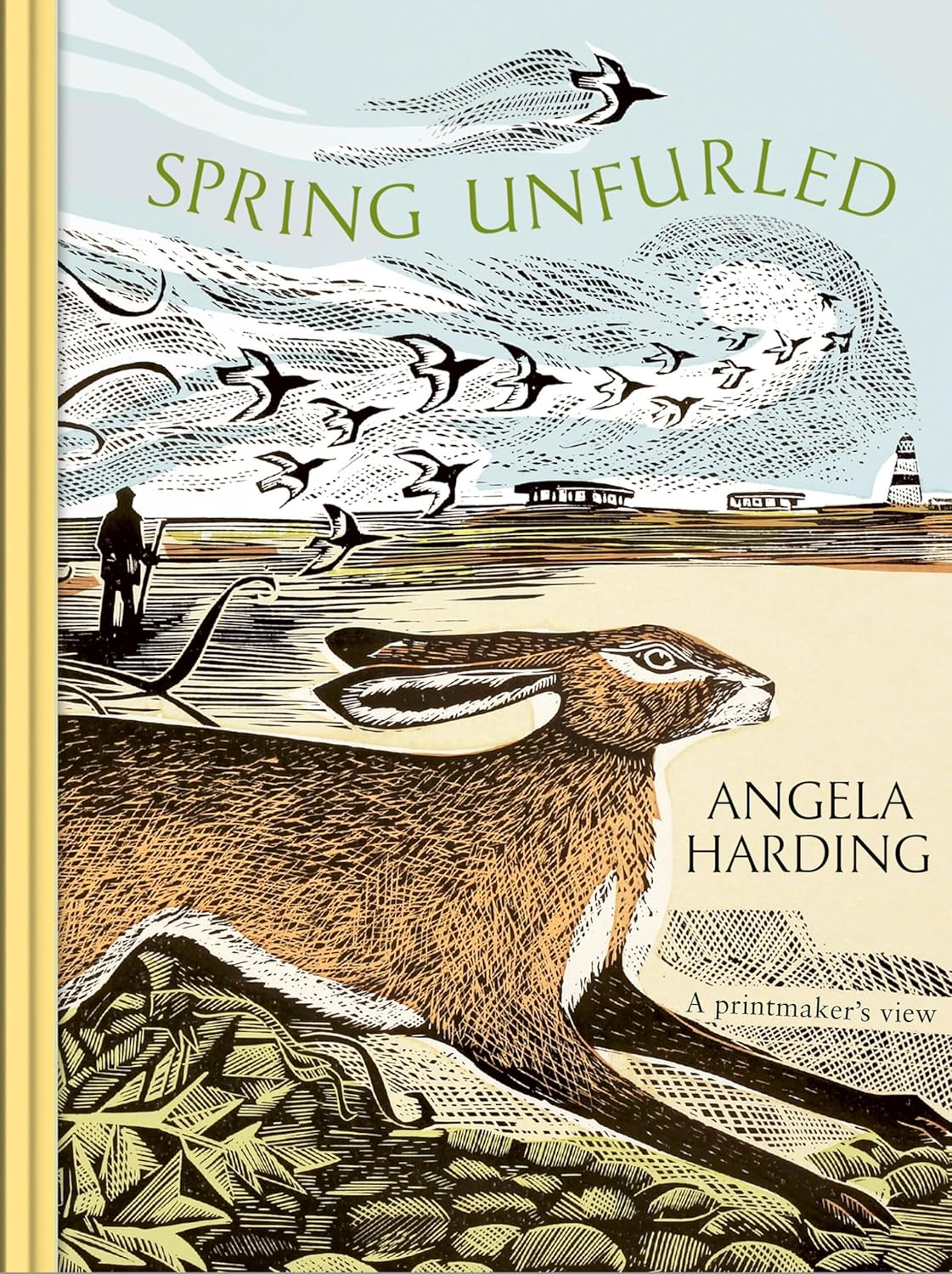
Spring Unfurled is a beautifully illustrated pocket hardback guide to the season of spring. This really is something else, a delightful gift for someone you love, or for yourself as bedtime reading.
The seasons are nature’s clock, bringing birds from distant shores to nest and breed. Seasons have no regard for official times. When the days shorten and the evening air is chilly, they know it’s time to leave.
Did you know all spring bulbs (including daffodils) are not safe near pets? Read more on pet-friendly gardens.
Summer’s Hum!
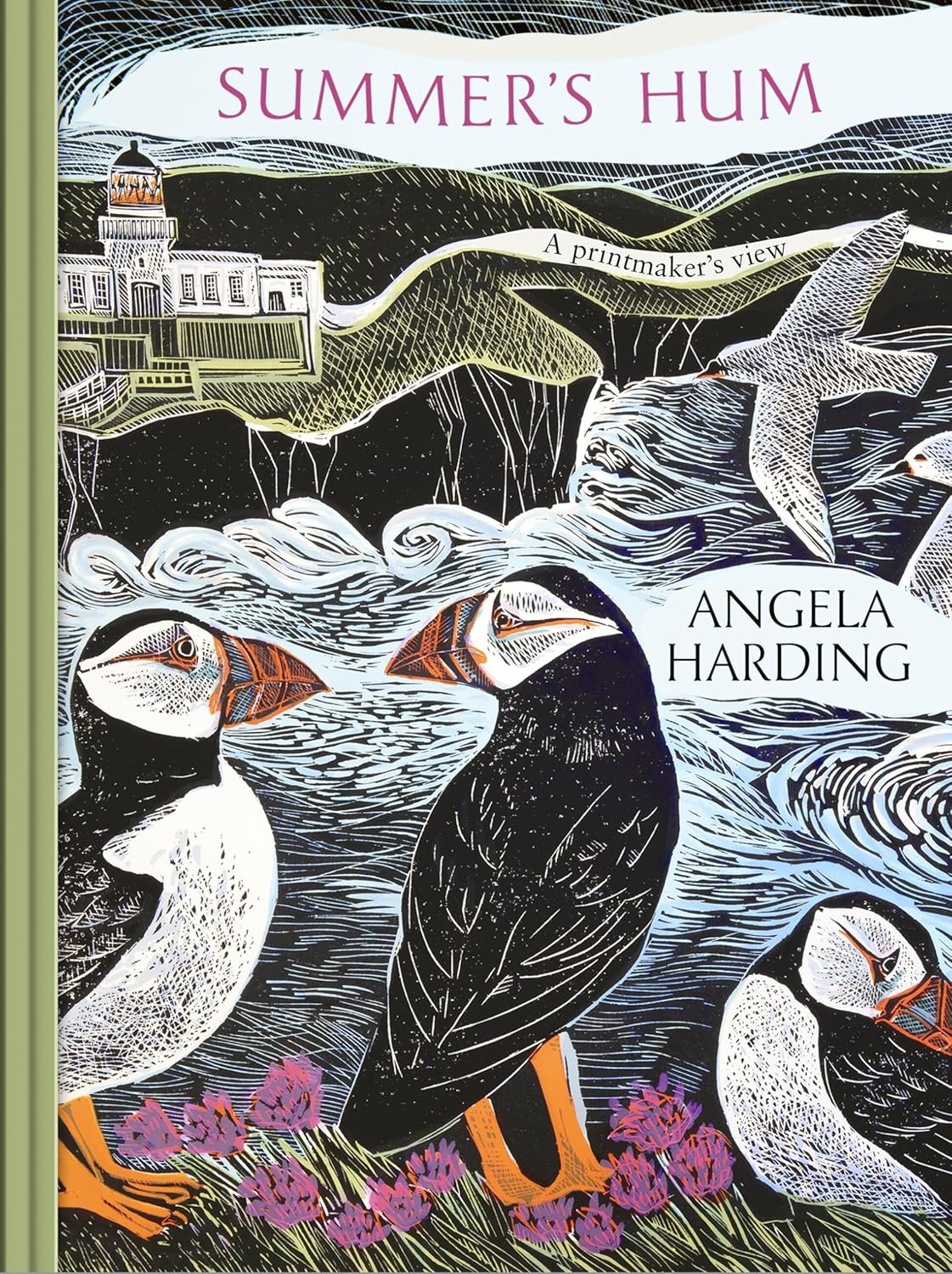
In an interview, she notes that as a child, while other children had pictures of pop stars on their walls, she had images of different birds!
Summer’s Hum completes the quartet.
How Leaves Work: Photosynthesis and Seasonal Shifts
Leaves are those beauties that you may take for granted, as you see them on trees or dropping on the forest floor in autumn. But they are absolute wonders of nature, that work as ‘mini solar panels’ to turn light into energy.
Don’t remove fallen leaves for ‘art purposes’ as they provide homes and shelter to many tiny creatures. If you use them for leaf mould, then carefully scoop up and place somewhere safe for creatures to escape.
Leaves literally ‘eat sunlight’ using a green pigment called chlorophyll to trap energy. This is used to power a process called photosynthesis, which converts water and carbon dioxide into (glucose) into food.
Just like us, leaves can also breathe. They do this using tiny pores (stomata) found on their undersides, But unlike us, they breathe in carbon dioxide and breathe out oxygen. This is why having more trees is vital to help prevent climate change, to help reduce carbon emissions.
Leaves also have their own plumbing system (and don’t need to pay someone £200!) The veins in leaves contain a substance called xylem (which brings water from the roots) and phloem (which transports food made in the leaves, to the rest of the plant). The leaves then release water vapour through transpiration, and this helps to cool and draw water up from the roots. Clever leaves!
If you garden alongside animal friends, know that many trees, conkers (and all spring bulbs that grow beneath trees) are not safe near pets (nor horses including yew, oak and sycamore). Read more on pet-friendly gardens.
If growing fruit trees, avoid netting (use fruit protection bags instead, removing for pollination – read more about wildlife friendly gardens). If using leaves to make compost, keep fresh compost away from pets (contains mould).
Why do leaves go orange/yellow in autumn?
They don’t! They are always that colour, it’s just that green chlorophyll masks it. As daylight hours decrease, the original colours shine through as the chlorophyll breaks down.
Leaves survive through winter because they are covered in a kind of ‘waxy sunscreen’ to help them avoid weather damage, disease or water.
Fallen leaves are good for wildlife
Always leave parts of your organic garden a bit messy, as leaf litter provides crucial winter habitats to wildlife including toads and hibernating hedgehogs.
Fallen leaves also provide warm sheltered ecosystems for bumblebees and caterpillars (which of course turn into beautiful butterflies).
Why are New England trees so stunning?
Truth be told, so are our forests in autumn. But New England does have the edge, as it has a lot of red and sugar maple trees, which gives the vivid colours. However climate change is now meaning peak foliage is now a week later than it was in the 1950s.