Respect, Protect, Enjoy: Follow the Countryside Code
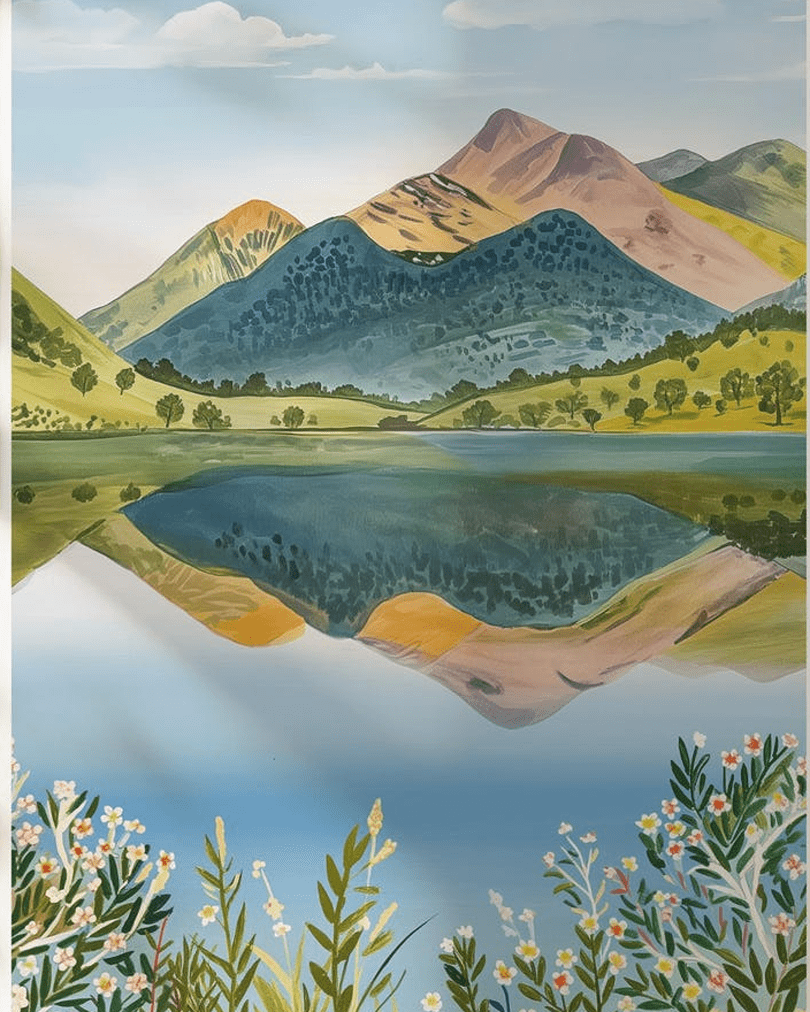
The Lake District, Ava Lily
If out walking on your own or with dogs, always follow the Countryside Code, to keep you, pets and barnyard friends safe.
- Follow local signs, and keep to marked paths
- Leave gates & property as you find them and do not block access.
- Follow farmer advice if animals are being moved.
- Do not touch or feed livestock (or horses).
- Do not touch farm machinery.
- Keep dogs under control and in sight, and pick up the poop. Put dogs on leads on Open Access land (a legal requirement between 1 March and 31 July). This is for your dog’s safety too, as farmers can legally shoot dogs that worry sheep.
If out walking, always follow the Countryside Code to keep dogs, barnyard friends and wildlife safe. Keep dogs away from steep banks, mushrooms, toxic flowers and trees. At the coast, read how to keep dogs safe by the seaside.
Read our post on humane dog training, to keep dogs under control near sheep (if in doubt, don’t walk nearby).
Put dogs on leads on Open Access land (a legal requirement between 1 March and 31 July). This is for your dog’s safety too, as farmers can legally shoot dogs that worry sheep.
Report farm animal concerns first to farmers with a friendly word. If no joy, call RSPCA (or Crimestoppers (anonymous).
- Never leave litter (not even fruit peels or nut shells as they take a long time to break down). Don’t light fires or barbecues and if you smoke, use a personal ashtray to immediately extinguishe cigarettes.
- Choose biodegradable non-scented beauty/cleaning/laundry products (use at least 70 adult steps away from streams, lakes and rivers). Same for going to the loo!
- Follow the Countryside Code to keep all creatures safe (it’s the law to keep dogs on leads on Open Access land from 1 March and 31 July). Keep them away from high peaks (Nearly Uphill has safety tips). At the coast, keep dogs away from nesting birds and sand dunes (learn how to keep dogs safe by the seaside (check beach bans before travel).
- Sheep on their backs (due to pregnancy or rain-soaked wool) will die if nobody uprights them, due to fermenting grass, as they can’t right themselves. To help, grab a handful of wool on the sheep’s side and gently roll it away from you, to right it back up. Then stay with it, until the sheep recovers and rain has drained off the wool.
- Report farm animal concerns to farmers with a friendly work. If no joy, call RSPCA or Crimestoppers (anonymous).
Extra tips to know
- Sheep (and goats) spook easily, which is why they have rectangular eyes to see predators from all angles. So never approach them (ewes can miscarry from shock).
- Check weather forecasts before you begin (conditions can change quickly – turn back if need be).
- Take care on hills and slippery paths (wear non-slip vegan walking shoes). Wear warm visible waterproof and take a flask with hot tea! Learn to read a map and compass!
- Don’t judge farmers, many have financial needs (Farming Community Help can help with free food for livestock and other goods).
How to help an overturned sheep
If you see a sheep on its back (due to pregnancy or rain-soaked wool), grab a handful of wool on the sheep’s side and gently roll it away from you (to right it back up (simple video). Then stay with it, until the sheep recovers and rain has drained off the wool. Sheep stomachs will ferment grass even when upside down, and this puts pressure on the lungs and heart, so they will die if nobody helps them get back upright.
A new code for countryside roads
There are plans to introduce a new Code for Countryside Roads alongside the Highway Code, as around 70% of road deaths are on rural roads, despite having far less collisions. This is thought to be due to a combination of low winter sun, fallen leaves and more ice.
Along of course with wild deer, which sadly often kills these beautiful wild creatures too. Read more on making roads safer for wildlife.
Top advice? Simply slow down, especially when going around bends and up and down hills. There is less rush on rural roads anyway, as there is less likely to be traffic.
Leave animals alone in the countryside
The rise in popularity in people taking selfies is having a surprising detrimental effect on our countryside and its creatures too. A few years ago, a foal fell to its death from a cliff, after it was spooked when nearby people were taking selfies.
In another case, a pony died from eating raw potato peels (you should never feed animals anything without a farmer’s permission – even apples can cause colic in some horses).
If you are given permission to feed one as an occasional treat from the horse’s guardian, then cut it up (remove the core) and feed from a flat palm, to avoid choking.
Another farmer in the Highlands said that people were trying to ‘boop’ her cows in order to launch a video for social media, which spooked the cows so much (they have sensitive nerve endings on their noses) that she was wary of anyone approaching her for months later.
The USA’s 7 Leave No Trace Principles
The Countryside Code is a bit lengthy to remember. It would be better to do what the USA does, and have 7 key principles (for visiting the countryside, parks and camping) that everyone knows (like they do all 50 or so state). In Summary:
- Plan ahead and prepare (know regulations, prepare for weather, visit in small groups and use a map).
- Travel and camp on durable surfaces (use maintained trails, camp at least 200ft from lakes and streams).
- Dispose of waste properly (take litter with you, use biodegradable soap).
- Leave what you find (do not touch or disturb anything)
- Minimise campfire impacts (to prevent wildfires)
- Respect wildlife (need feed animals or disturb them, keep pets away)
- Be considerate of other visitors (don’t make noise, let nature’s sound prevail)
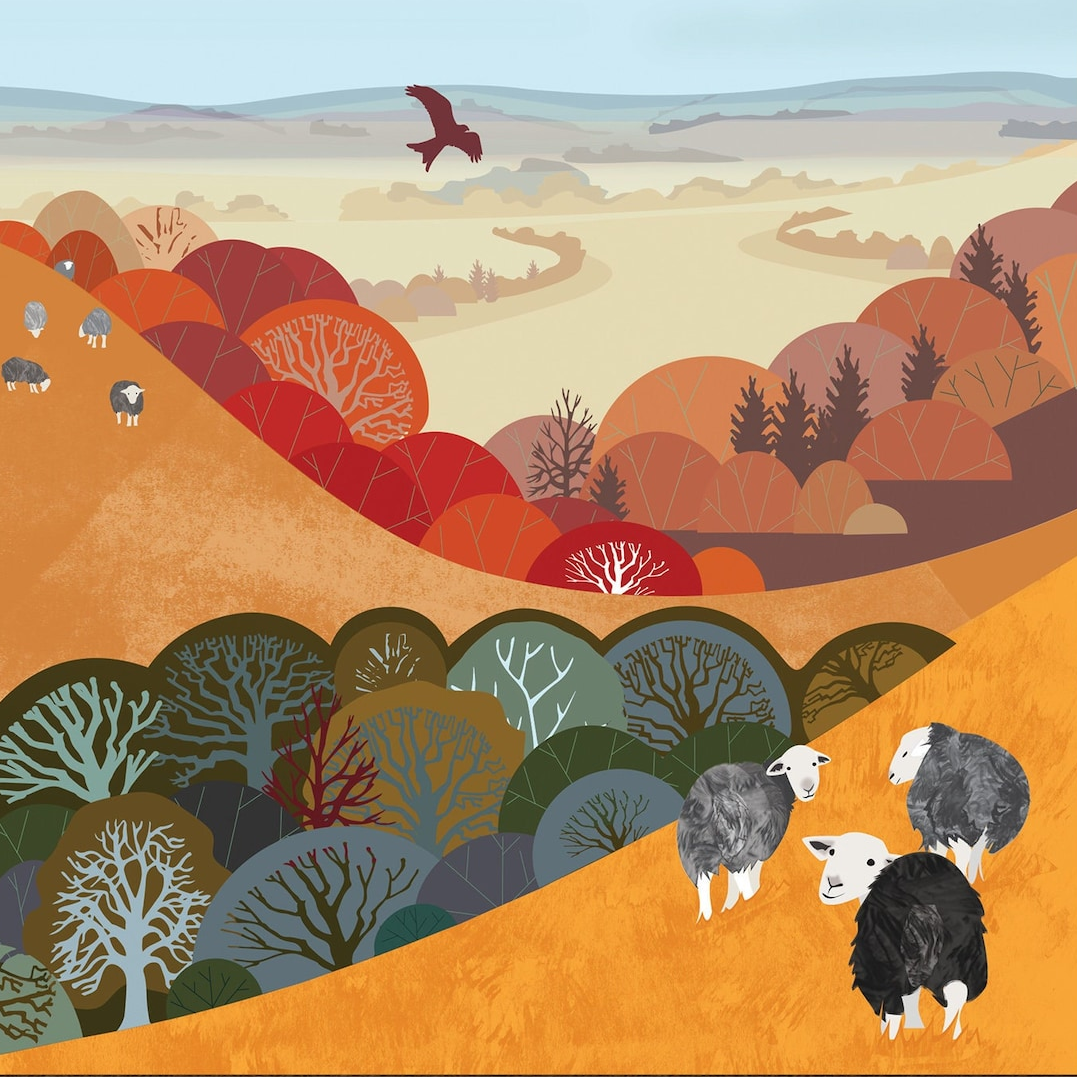
Although they look super-cute, Herdwick sheep are some of England’s toughest (kind of like the sheep equivalent of Shetland or Icelandic horses!) They live on the pastures and slopes of England’s highest mountains (all in the Lake District) so can cope with the elements pretty well.
Sheepeasy is a device invented by an engineer, that makes it easy and quick to treat the feet of sheep, goats and alpacas. Regular footcare is of utmost important, especially in the Lakes, due to all the rain.
Always give Herdwick sheep right-of-way on roads, just slow down and wait for them to pass.
Herdwick lambs are born black, but turn grey (just like humans!) when they get old! They have wiry wool that insulated against the wind and rain.
Around since the 12th century, today nearly all Herdwick sheep live within a short distance of the lakeside village of Coniston (below the Old Man of Coniston mountain). You can easily recognise the females, as unlike the rams, they don’t have big curly horns!
Known as ‘the gardeners of the Lake District’, their grazing of grass, heather, bilberry and young trees, is responsible for the unique treeless mountainsides in the Lakes.
Acorns and conkers should also be kept away from pets. Did you know that oak trees are toxic to horses, livestock and other animals?