Ultimate Rice Guide: Ratios, Timing, Troubleshooting
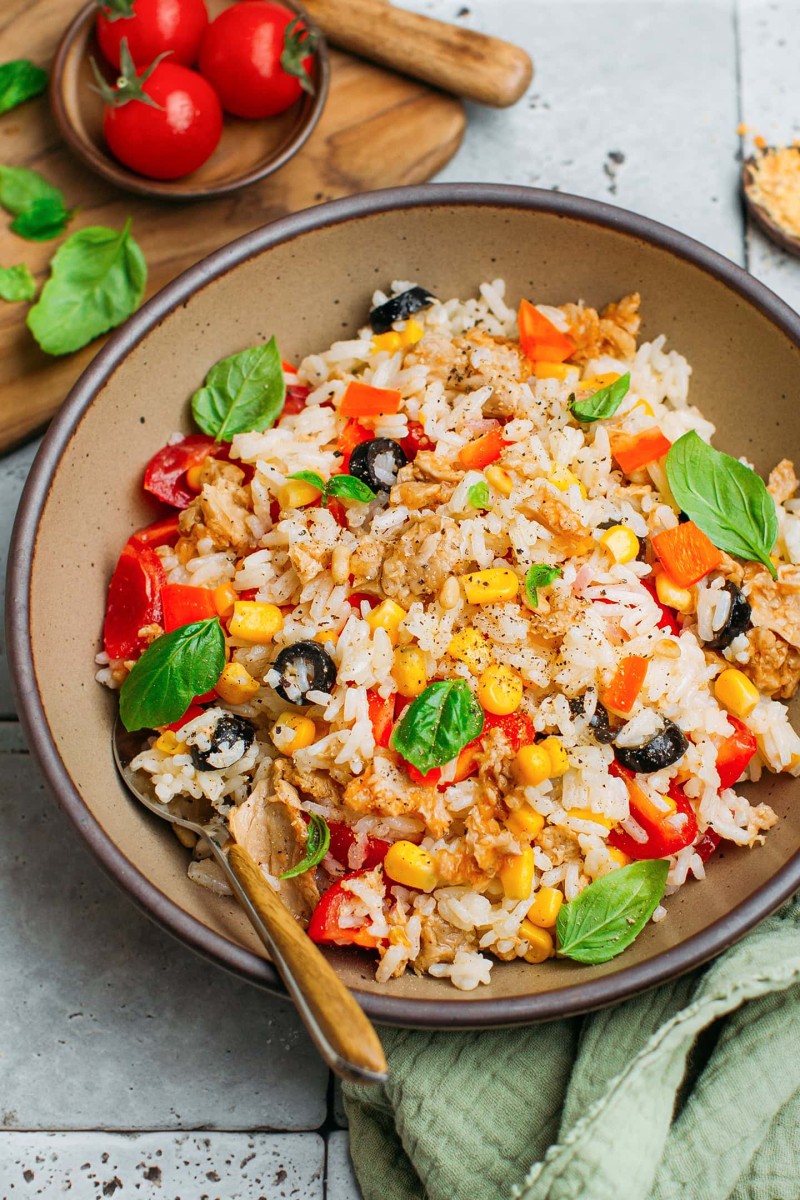
Rice salad (Full of Plants)
Rice is one of the most popular foods on earth, eaten everyday by a good portion of the population (Asia and Latin America especially). It does contain a little more natural arsenic than other crops (due to paddy fields locking arsenic in water-soluble soil). But in moderation it’s fine (billions of people eat it daily!)
Never eat cooked rice after 24 hours, due to food poisoning hazards.
Keep these recipes away from pets, due to garlic, onion, spices, citrus etc. Unless you have a food waste bin (made into biogas), just bin acidic or spicy produce scraps like peppers, onion/garlic/shallot/leeks/chives, to avoid harm to earthworms and other compost creatures.
For tinned ingredients, rinse/remove lids (or pop ring-pulls over holes) then step on the can to pinch the inner rims together, to avoid wildlife getting trapped at recycling points.
Rice is one of the world’s most staple foods, without it we would have way more starvation. It provides energy for over half the people on earth, and is naturally gluten-free and a good source of complex carbs.
Let’s go to rice university!
There are many types of rice:
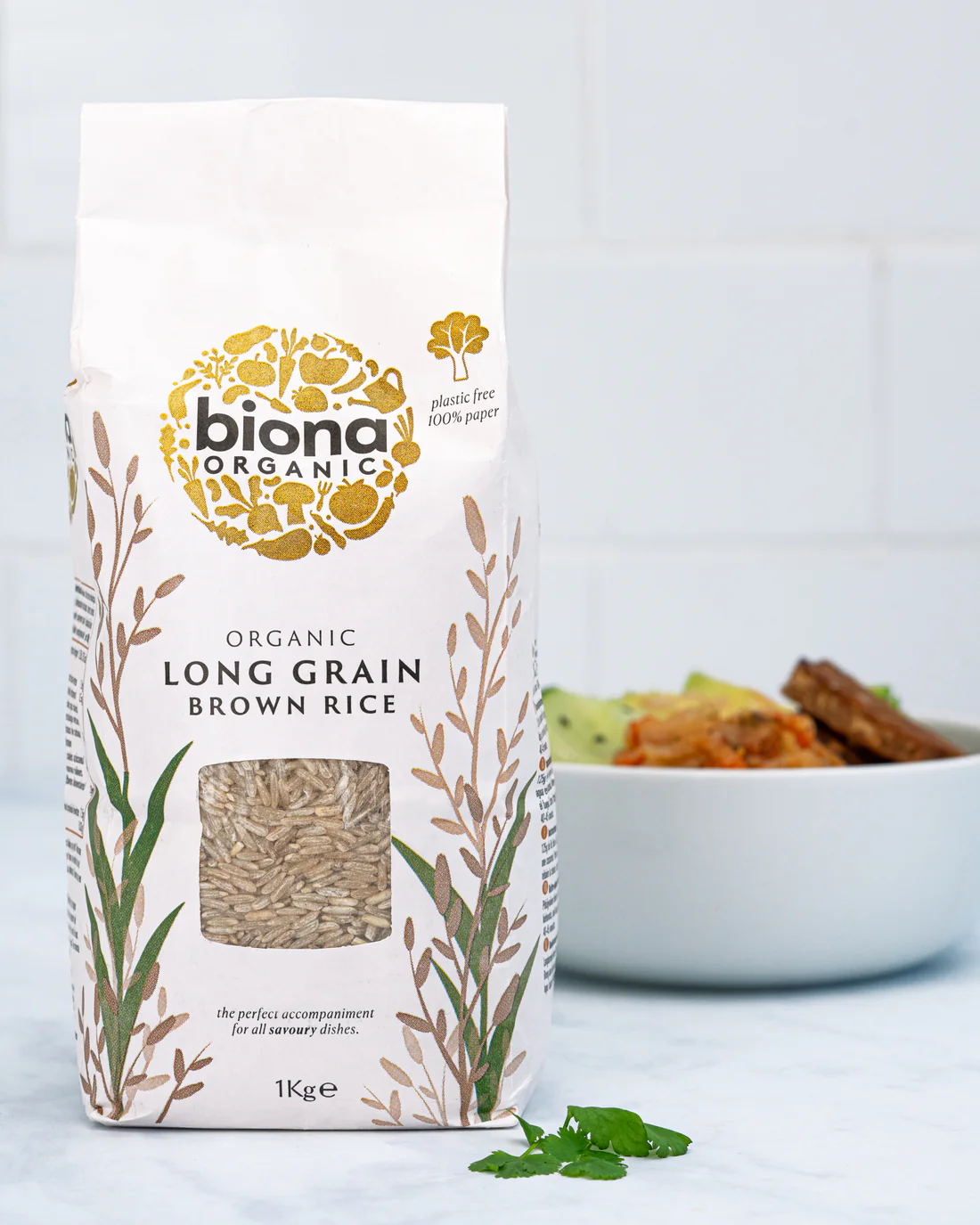
Biona is one of the first brands to sell organic rice in plastic-free packaging. Most zero waste shops also sell rice loose, take along your own clean dry containers, and use the tare weight system (so you pay for rice, and not packaging).
For other rice, recycle packaging at supermarket bag bins, if your kerbside doesn’t recycle.
- Long-grain stays fluffy and separate when cooked, for stir-fried, curry and pilafs. Examples are Basmati and Jasmine.
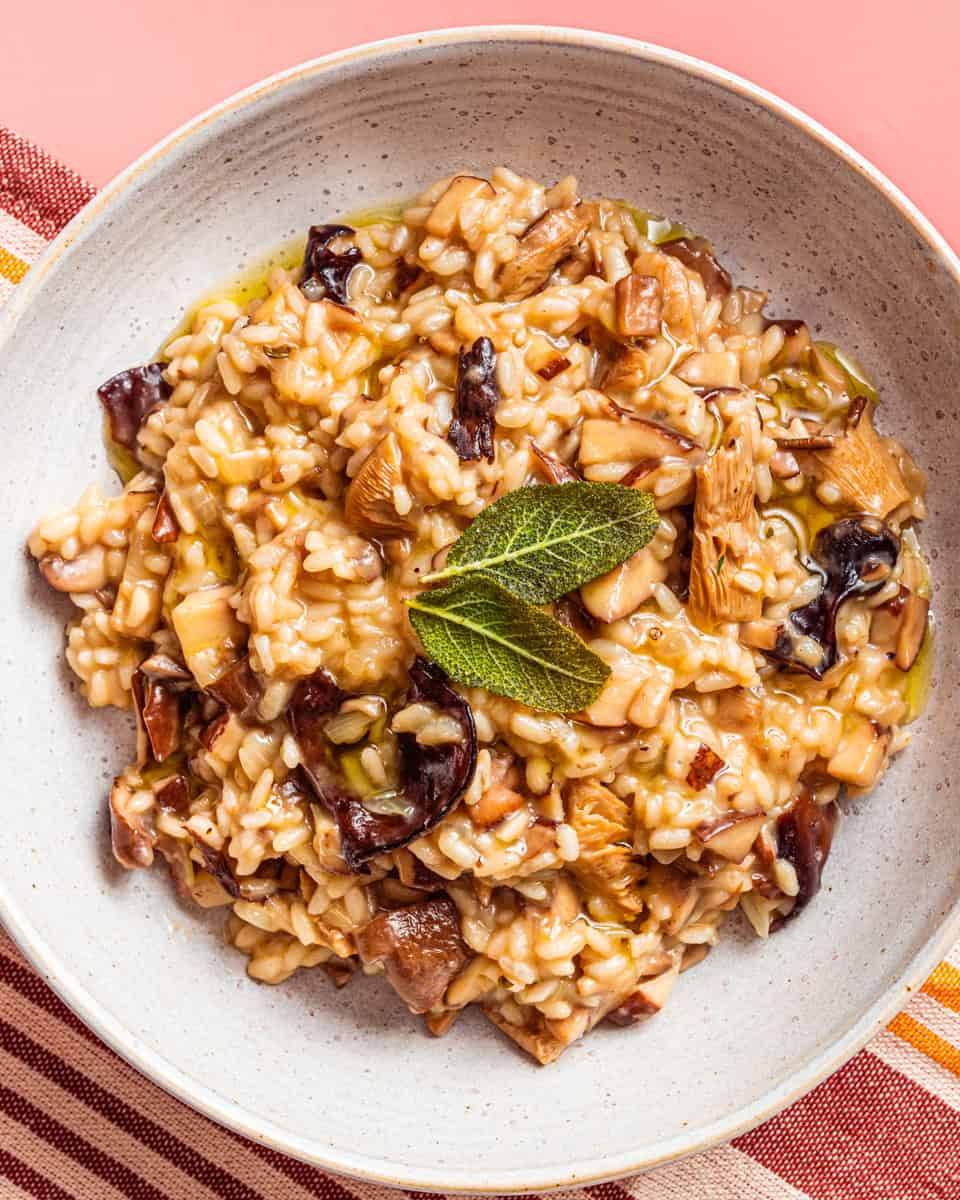
- Medium-grain is shorter and chewier, for risotto or paella. The best example is Arborio.
- Short-grain rice is high in starch and sticky. It’s used for vegan sushi and rice pudding.
- Wild rice is not actually rice, it’s from a North American aquatic grass. It has an earthy nutty flavour and a striking dark colour.
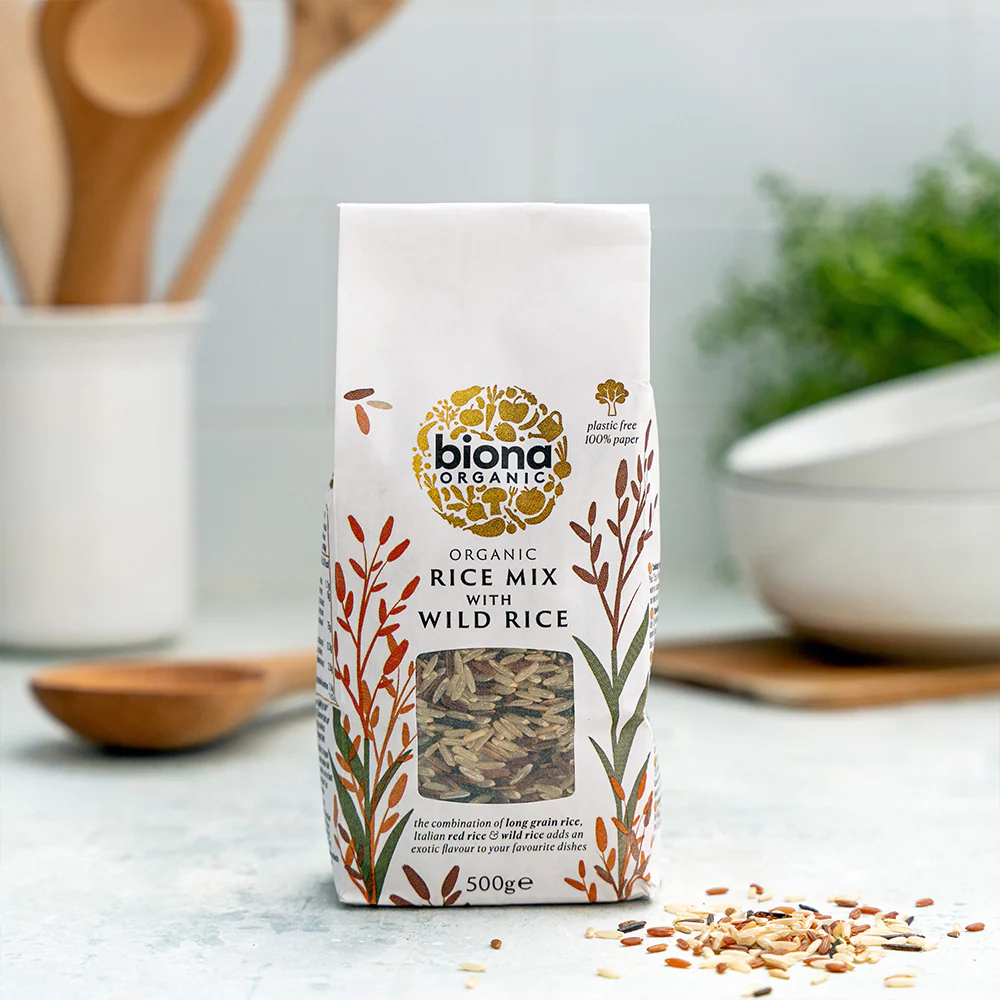
Brown rice is better for you, as it retains the nutrient-rich fibrous bran and germ. But some people don’t like the nutty flavour, in which case just add more veggies to your white rice dish!
How to cook white and brown rice
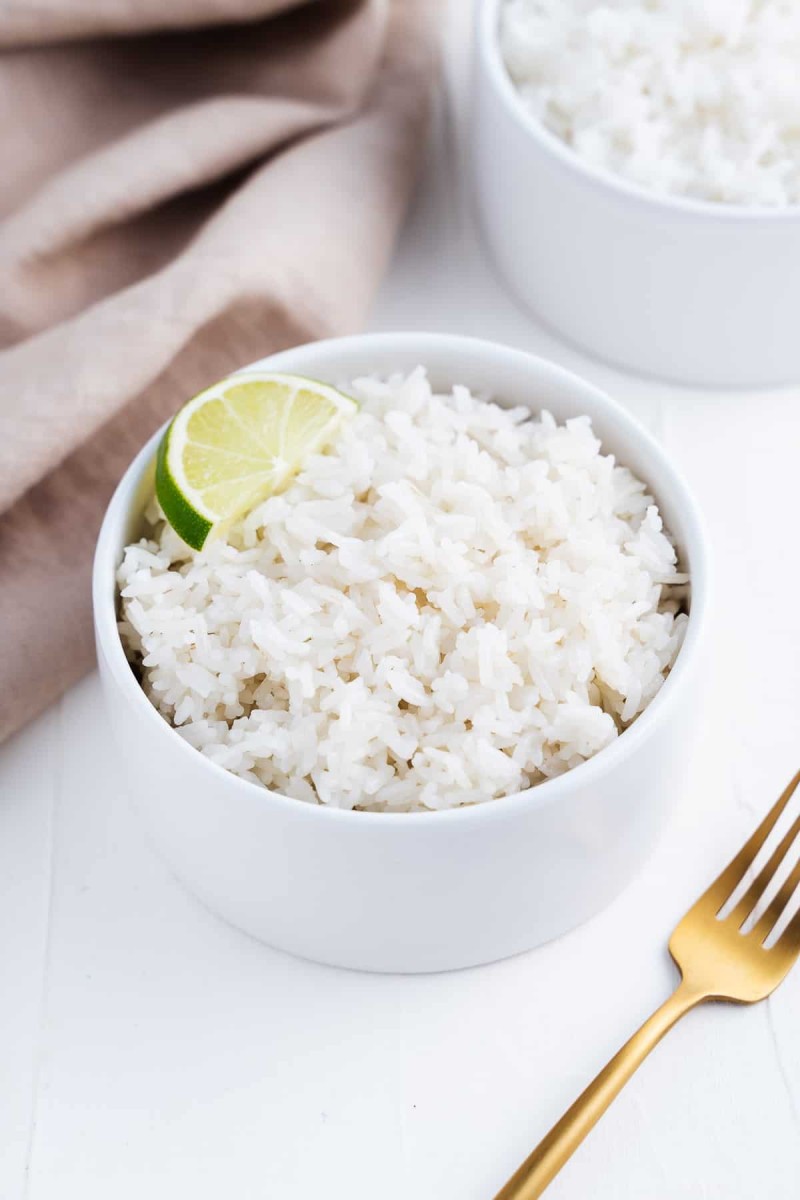
The secret is getting the water-to-rice ratio right and proper steaming. For long-grain white rice, use 1 cup of rice to 1.5 cups of water and a pinch of salt. Rinse the rice then boil, simmer for 15 to 18 minutes on low, then rest covered for 10 minutes to steam (do not lift the lid).
- If your rice is gummy, it’s usually due to too much water or lifting the lid during the final steam.
- For undercooked rice, obviously you did not use enough water!
- Burnt pans is due to too-high heat.
- Sticky rice means the rice was not rinsed properly before cooking, to remove the starch.
Brown rice is similar, but it takes longer to cook (around 45 minutes). And use 2 cups of water for every cup of rice, and a teaspoon of oil, to prevent grains sticking together.