Give Seals Space: Protection from Human Disturbance
Join England’s Give Seals Space Campaign, supported by UK Seal Alliance. Despite recommendations from the Joint Nature Conservancy Committee (supported by Natural England and a House of Commons Environment Food and Rural Affairs Committee Report), the government has rejected that seals be added to the Wildlife and Countryside Act 1981.
If at the beach, keep at least 150 feet (the length of a football pitch) away from seals (if they lift their heads, shuffle, look at you or move towards the water, you are too close). Never cross ropes or barriers put in place, and keep dogs away (read our post on keeping dogs safe by the seaside).
Learn about photography best-practice around seals. Use binoculars or a camera with zoom lens (avoid drones and stay downwind, seals have an excellent sense of smell) and avoid wearing high-contrast colours (white, yellow or red).
This means that it’s up to all of us to campaign for a law to afford protection for seals from intentional or reckless disturbance. One example of this is people using jet skis (many local councils are now taking matters into their own hands and banning jet ski use. Which not only causes injury, but can drive through water and separate seals (and all marine creatures) from their young underwater.
The campaign is asking the government to urgently review its decision, and include seals as a protected species. The UK has over 11,000 miles of coastline and is rich in marine wildlife. Including Atlantic grey seals (rare worldwide and the UK has a third of the population) and smaller common seals.
All are risk from plastic and oil pollution, fishing waste, by-catch, jet skis, and drones. And people getting too close.
What do seal conservationists want?
Every five years, the statutory nature conservation bodies in England work jointly to review lists of protected species. This is what ends up providing recommendations to the Secretary of State for the Environment, Food and Rural Affairs (plus ministers in Scotland and Wales) who can then decide on changes to laws.
The Joint Nature Conservancy Committee has staff with trusted expertise who provide the scientific evidence needed. One of its recommendations was to place both grey and harbour seals as protected species under the Wildlife and Countryside Act 1981.
The government waited four years before responding in December 2025, and confirmed it would not implement any of the recommendations.
Why is giving seals space important?
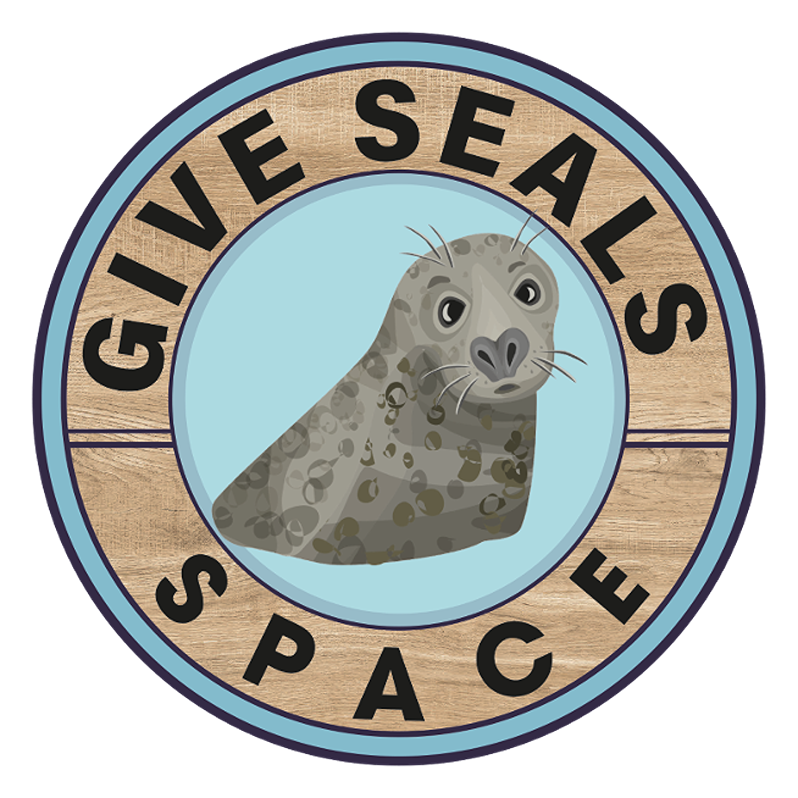
Seals may look cute, but they are wild creatures who need to be left alone, with just expert volunteers helping if needed (that’s why there are ropes to cordon off viewing areas). Many seal pups can’t swim, and spooking them into the water could cause them to drown or freeze.
Dog walkers should always follow rules and keep away from areas with seals (including sand dunes where mothers often hide pups) in breeding season.
Even taking photos can cause stress (if a seal is looking at you, you are too close). Any kind of stress can cause physical injuries or trauma to both adult seals and pups (and again cause separation in the panic of trying to get away). Research shows that 68% of incidences when seals are disturbed, are due to human activity.
Flipper claws can get caught in rocky cracks when trying to escape, leading to profuse blood loss, and even fractures are sometimes observed. And activation of stress hormones can cause impaired growth, muscle wasting and immonosuppression. Chronic stress also makes seals more susceptible to viral infections like mouth rot and phocine distemper virus.
Like us, all seals need rest, relaxation and quality sleep for their wellbeing. And most females over five are likely to be expectant mums, so sleep deprivation affects them and unborn pups.
What can we do to help?
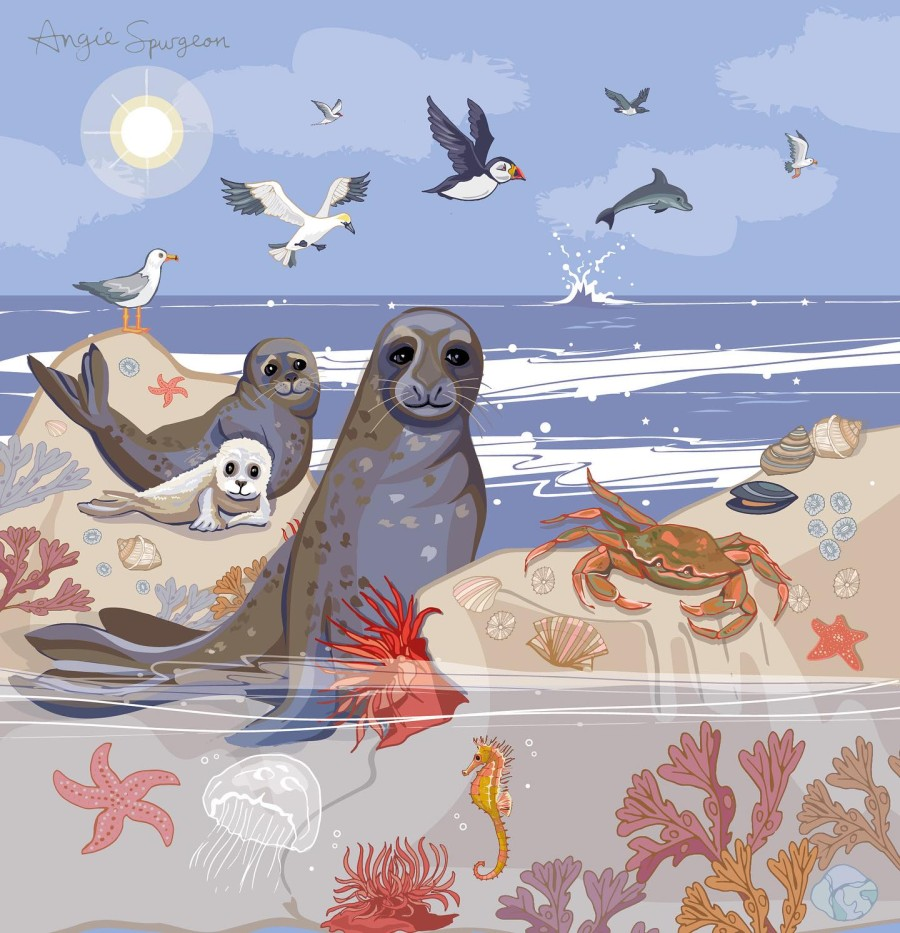
The general public and councils can get involved by displaying information signs and leaflets with tips to ‘Watch Seals Well’ and ‘Give People Space’. In a world of people on smartphones, it’s very important for people to know that getting too close to a seal can cause harm, and for pups to die, especially if separated from their mums.
Stay at least 100m away (around the size of a full length football pitch) from wild seals (if they are looking at you, you are too close).
It is normal for a seal pup to be left alone on a beach, while its mother is hunting. Do not approach or attempt to move it (this could frighten the mother away). If concerned, call British Divers Marine Life Rescue (that provides 24-hour emergency help and advice for any marine creature).
Hopefully greater awareness will then persuade the government to change its mind, and give seals legal protection from intentional or reckless disturbance, like for many other species.
The aim is to replicate the success of the controversy over the Post Office Sub-Postmasters (this scandal was in the public domain for years, it was only a public campaign caused by awareness and a TV documentary) that eventually got something done. Public feeling is a powerful tool.
The Give Seals Space Campaign (which was launched on the spring bank holiday in May 2026) is hoping for success as soon as possible!
We are pleased to launch this campaign to raise awareness and bring about important changes that will protect our precious seals. It was disappointing that the government rejected the recommendations that were based on many years of expertise. We hope it will now reflect and review their decision for seals, and give their habitat the protection they deserve. Sue Sayer MBE
Sign the online petition or scan this QR Code to get involved:
As a footnote – with a pending new Prime Minister who has indicated he would possibly work alongside Greens, who obviously would campaign on seal welfare. So now is a good time to encourage anyone in power to look at this legislation with fresh eyes, even in the new few weeks or months. Especially with pressure from fringe parties, who may play a part in putting votes through.
The campaign to ban flying rings
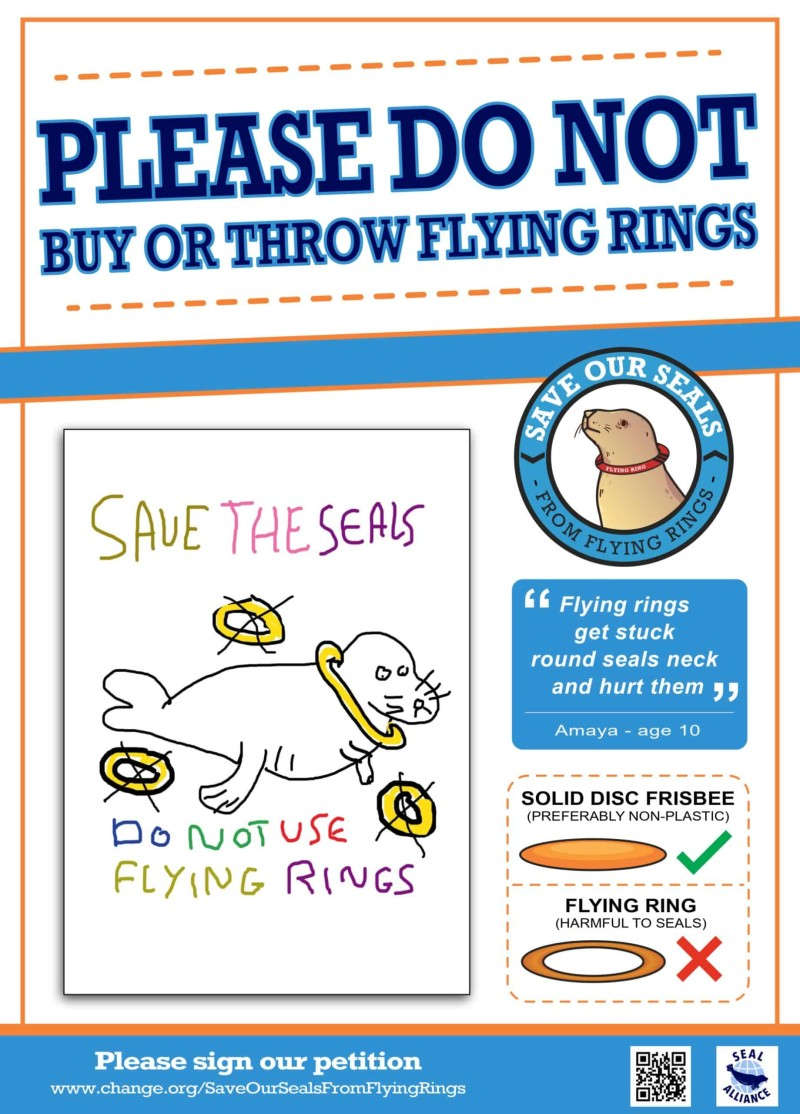
Playing frisbee at the beach may seem like harmless fun, but Seal Alliance and British Divers Marine Life Rescue have now got together to launch a petition at Change to ban flying rings. Add your signatures (over 45,000 so far!) If passed, the UK would become the first nation to do so. It’s also good to avoid flying kites, for the same reasons.
Thousands of flying rings are bought and discarded/lost at sea or beaches each year. The aftermath is that curious seals get them stuck around their necks on land or at sea (they start playing with them). One seal was found almost decapitated, but thankfully was rescued and survived.
It’s best to avoid playing with beach toys near seals anyway. If you use them, avoid ones with hollow centre, as these easily trap around seal necks. And choose biodegradable solid ones, in case they get lost at sea.
Download this guide on seeking support for the campaign from local shops (with a downloadable window sticker). There is also a guide for councils (includes a document to send to councillors).
Seal Alliance website has more info on all you need to know, whether you simply wish to join the campaign or you are a shopkeeper (or councillor considering a local ban on flying rings). You will also find campaign QR codes.
A typical flying ring costs 33p to buy – but costs cash-strapped seal rescue charities up to 45,455 times more to carry out a rescue, if they find a seal trapped in one.
Neath Port (Wales) has become one of the first councils to ban the sale and use of flying rings near and on their beaches. More power to you! Let’s hope others follow.
You can read the story of the woman who helped to rescue a seal trapped in a plastic ring that started the campaign in her book, Sailing for Seals.
The public support we’ve received for our campaign, clearly indicates that these flying rings need to be removed from sale, at shops across the country.
Many shopkeepers are unaware of the pain and suffering they cause. They will not lose profits by selling solid disc frisbees and will certainly receive support from local communities. Gareth Richards (Seal Alliance)
More about super seals!
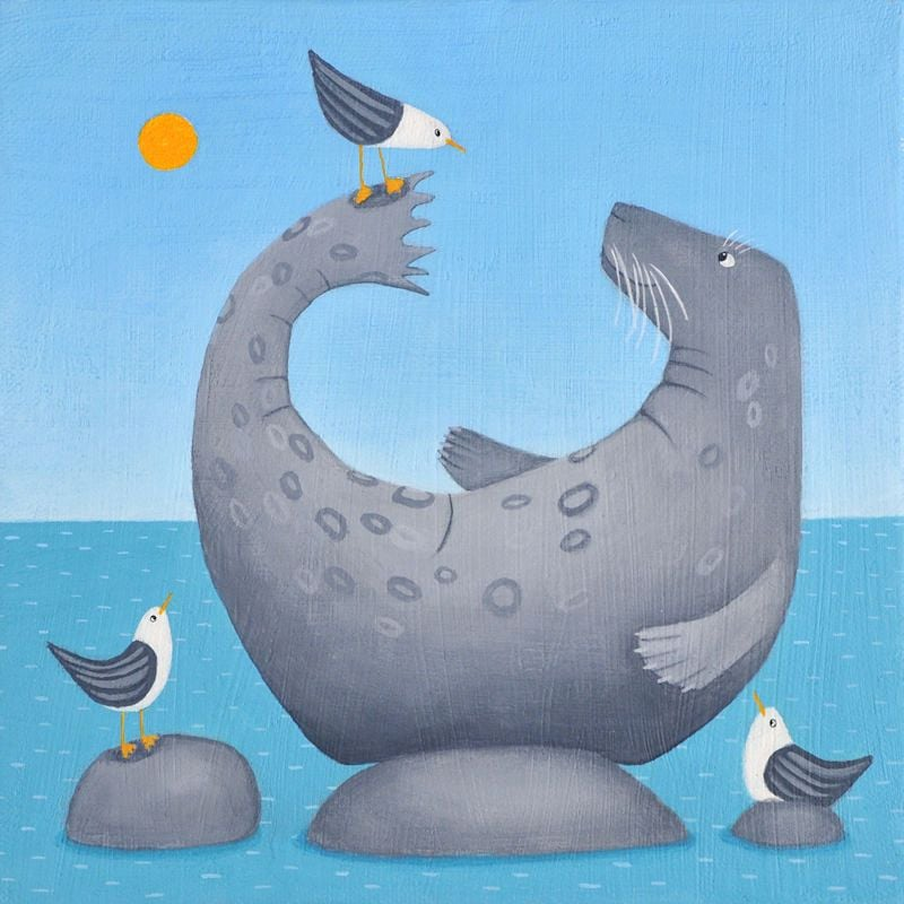
England’s coasts (mostly in southwest and East of England) are home to grey and harbour seals, which are charming and playful, but must be left alone (so always observe the signs put up by volunteers).
Seals are wild creatures (who can give nasty bites) and pups can drown, if spooked into the sea before they are able to swim properly.
- Grey seals are larger and have mottled grey coats, giving birth to fluffy white pups in autumn.
- Harbour (common) seals are smaller with rounder noses, and prefer sheltered bays, estuaries and tidal rivers. Mothers raise their pups in early summer, teaching to swim within hours of birth.
Both species are skilled hunters, chasing fish and squid at sea, but need land to rest, moult and and raise their young. Disturbing them can disrupt feeding and breeding.
Still in place is a worldwide boycott of Canadian seafood, to ask the government to stop subsiding the annual baby seal cull (for the fur industry).
Simple ways to help wild seals
- Litter travels on tides, so never drop litter at the beach (or off a boat) as it could end up in the stomachs (or tangling) creatures here and far away .
- Other ways to help are to choose reusable over disposable, and use waterless car washes (home drive and supermarket car washes send untreated oily water down drains, and into the sea.
- If you eat fish, look for sustainable-certified brands, which don’t use by-catch methods (that catch other marine creatures in nets).
- To help prevent oil pollution, wrap small amounts of oil in kitchen paper and bin (same with cream liqueurs). For larger amounts, use an oil recycling container and take to the tip.
If you sail a boat and spot any marine wildlife, keep at least 100 feet away (or further away if possible for large creatures). If the creature approaches your boat, switch the engine off and slow speed to 4 knots.
WiSE is a wildlife-friendly boating course (it only takes five hours).
Never use jet skis or flash photography. If you dive or snorkel, enter the water gently, to avoid splashing, and again keep your distance – it’s their territory, not yours.
Even if they eat the stock of fishing crews, it’s illegal to harm seals. For concerns, call the RSPCA or Crimestoppers wildlife crime unit (anonymous).
How to help stranded or injured seals
For any marine creature in distress, call British Divers Marine Life Rescue (RSPCA and the Coastaguard can put you through). While you wait for help, stand between the pup and sea (to stop pups drowning or freezing).
Seals often rest on land (especially after storms) so use binoculars or a zoom lens, to avoid disturbing seals that may be okay (some have scars, due to encounters with fishing gear). Mothers are often nearby.
But if the pup has baggy skin, or is coughing/sneezing with mucous or rapid breathing, it could be kill. Some seals shiver (it could be cold or fear, but could be netting). Find more info at:
- Seal Research Trust (share sightings around the SW (sightings@sealresearchtrust.com).
- Friends of Horsey Seals (Norfolk)
- Seal Alliance
Where to learn more about seals
- Seal Secrets is by the founder of Seal Research Trust, condensing knowledge from years of observing seals in the wild. Profits fund the charity’s work.
- Seal Alliance Protection Action Group helps seals and their habitats worldwide.
- Pacific Marine Mammal Center (US) offers distance learning programs to help seals.
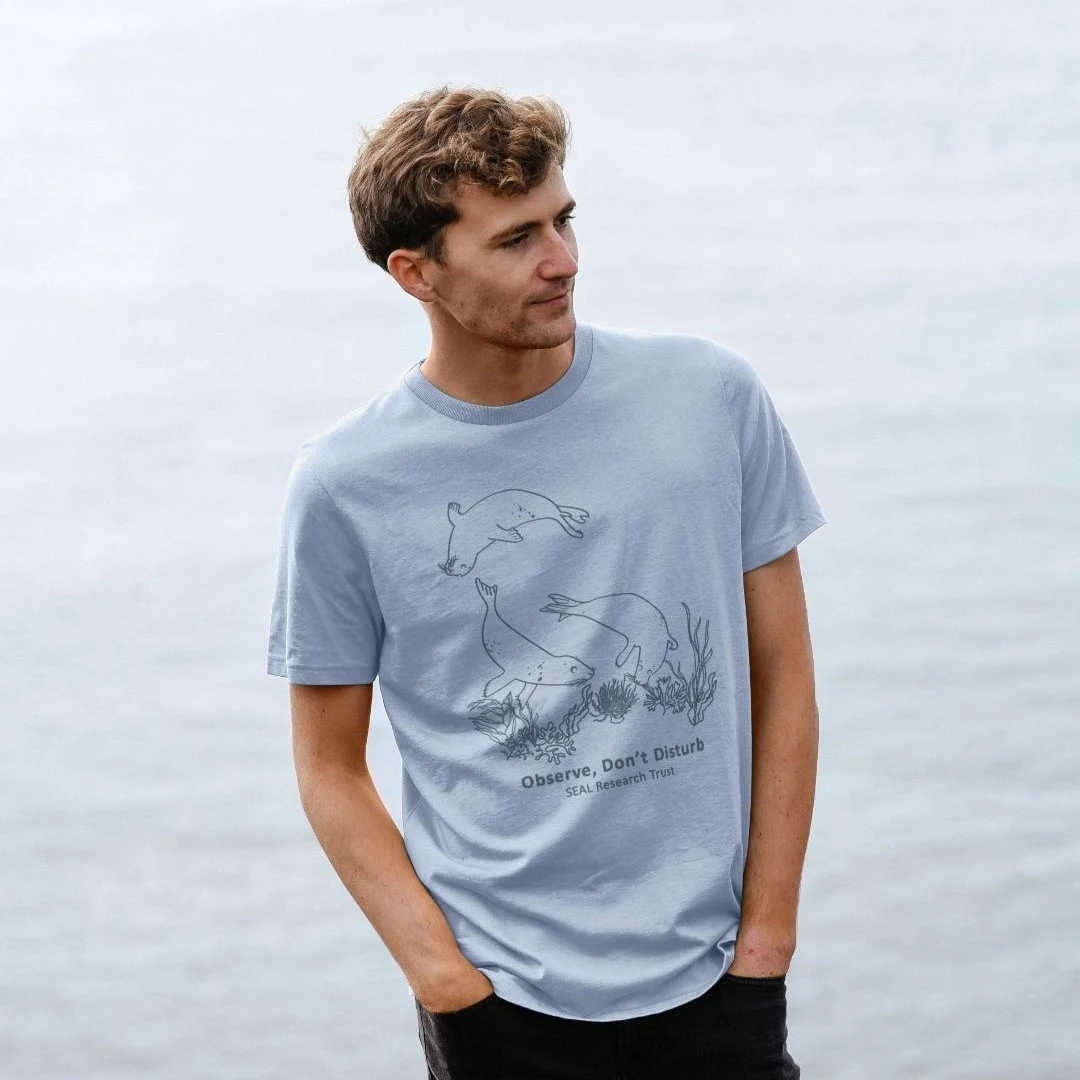
Organic t-shirts and hoodies (to help seals)
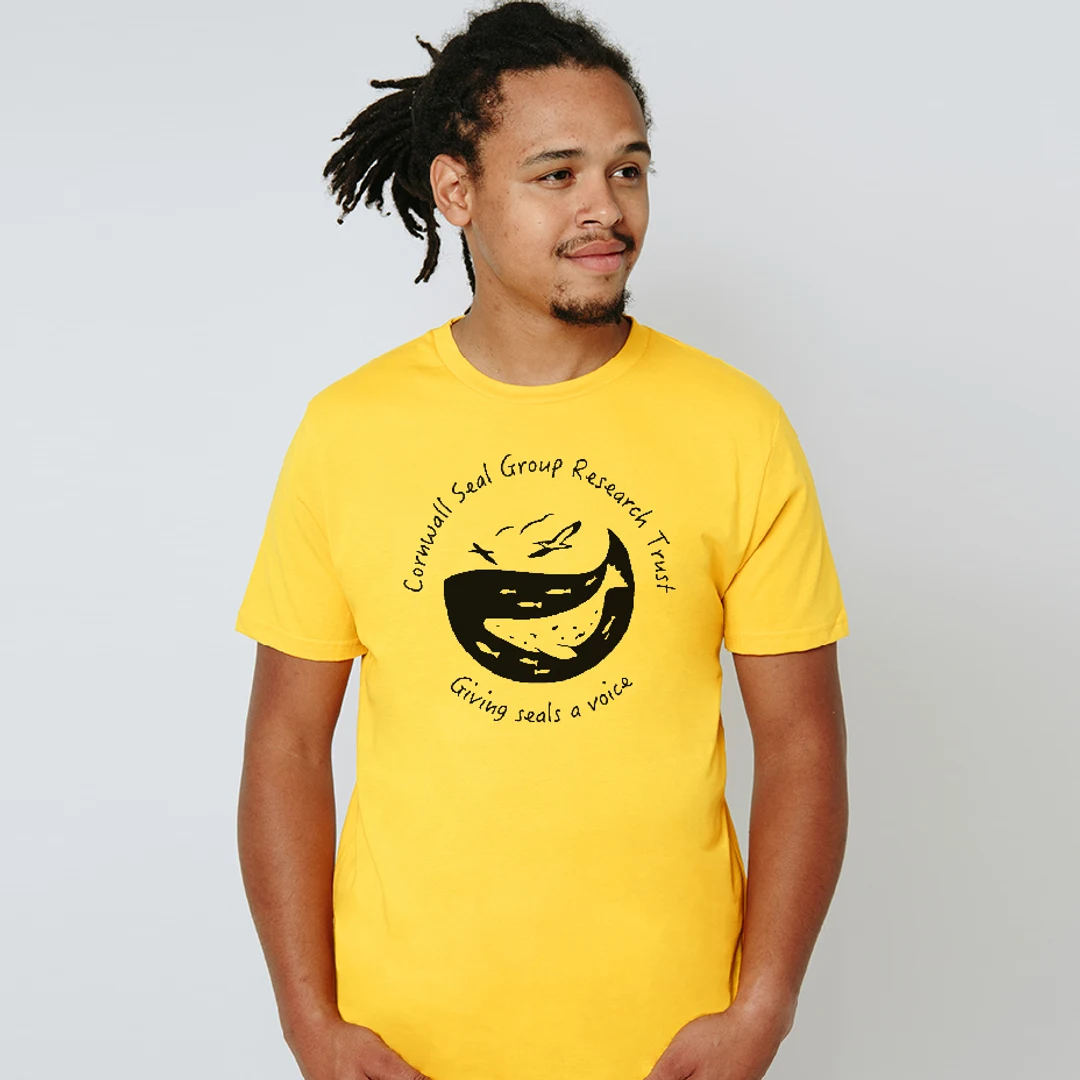
These organic cotton t-shirts and hoodies (for men, women and children) are printed with green energy and eco inks, sent in zero-waste packaging. A portion of sales helps Seal Research Trust, which rescues injured seals, and releases them back in the wild.
You can donate anonymously (add Gift Aid if you’re a UK taxpayer). Another way to help this wonderful charity is to set up an account at easyfundraising.
Then when you buy from a participating company or service, a portion goes to them, at no cost to you (loyalty points are not affected). You can use this service to help Friends of Horsey Seals (Norfolk).