Swamps to Sanctuaries: Recovery of Important Wetlands
Wetlands are made up of bogs, marshes, estuaries and Fens, all vital for various birds and native wildlife, along with being crucial to help prevent floods. Yet in the last 200 years, we have lost over 90% of them, mostly due to urban building and pollution from farm run-off.
The most well-known Wetlands include The Norfolk and Suffolk Broads, The Wash (also in East Anglia) and Wallasea Island (Essex).
Out walking? Follow the Countryside Code to keep all creatures safe. Keep dogs away from steep banks, mushrooms (and other toxic plants/trees) and on leads during nesting season (and near barnyard friends and wild ponies).
At the coast, keep away from nesting birds and never walk on sand dunes. Learn how to keep dogs safe by the seaside (check beach bans before travel).
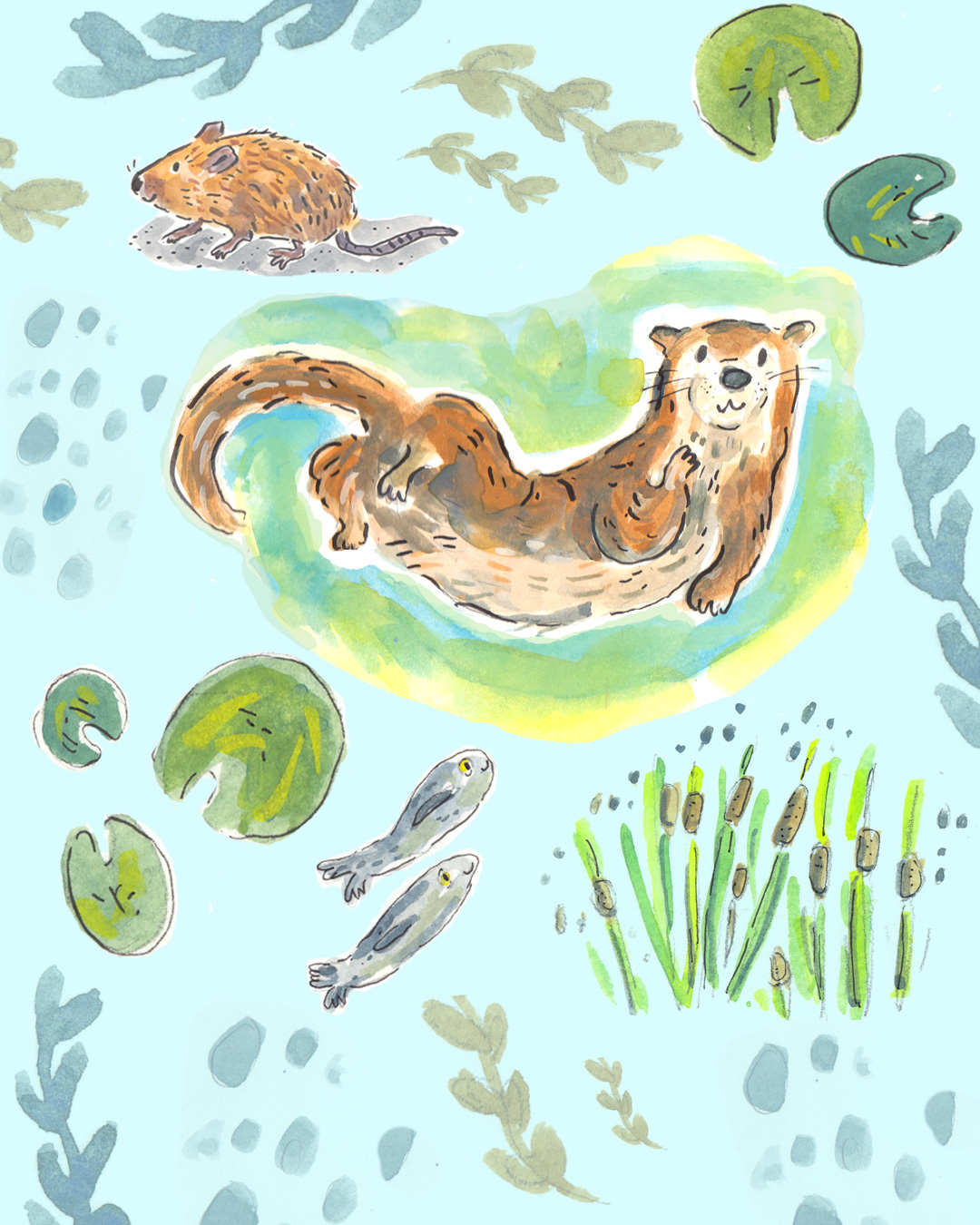
From the windswept broads of Norfolk to the dragonfly-rich marshes in Somerset, these watery places are packed with everything from endangered curlews and water voles, to rare butterflies and sea turtles.
The best way to help dragonflies and damselflies is to preserve remaining wetlands (their natural homes). In 1637, East Anglia had 3,380 square kilometres of wetland. In 1986 there was just 10 square kilometres left.
The main types of wetlands in England are:
- Wet grasslands (home to endangered curlews and wildflowers)
- Seagrass beds (vital as food for endangered sea turtles)
- Rivers and streams (vital to keep free of oil, litter and sewage)
- Reedbeds (home to bitterns, eels and harvest mice)
- Ponds (vital homes for amphibians: frogs, toads & newts)
- Peat bogs (home to dragonflies, damselflies & butterflies)
- Lakes (these are home to over 140,000 species)
- Estuaries (where freshwater and seawater meets)
- Ditches & scrapes (these small areas also support wildlife)
- Fens (fertile wetlands, mostly found in Eastern England)
Wetlands worldwide include coral reefs, lagoons and mangroves.
WWT is helping to restore 100,000 hectares of wetlands in the UK, and also buying up low-lying ground to create new ones. It’s also creating a saltmarsh nature reserve in the Forest of Dean, which will be a haven for wildlife, and also store carbon to help reduce floods and climate change.
Why do our wetlands matter so much?
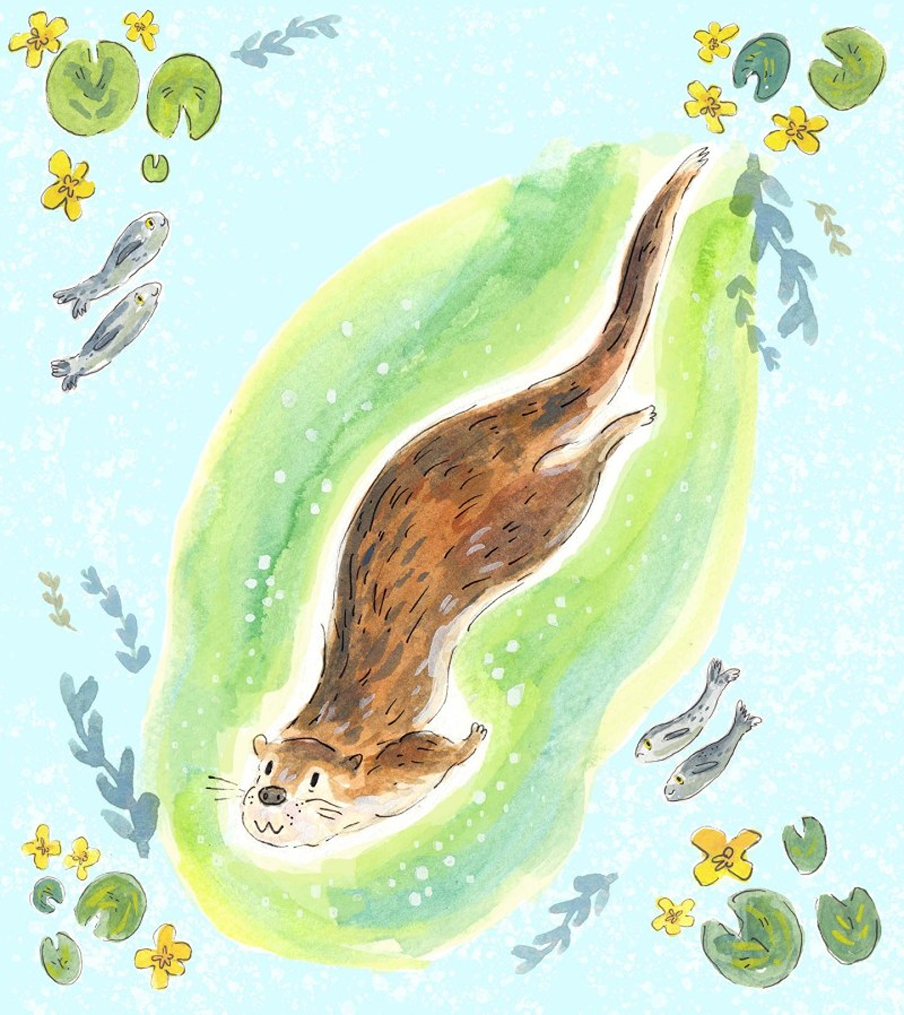
Wetlands are areas where water covers the soil, often supporting a patchwork of reeds, bogs, ponds, and marshes. They might look like just soggy corners of the countryside, but they pack huge ecological punch.
- Flood defence: Wetlands soak up and slow floodwater.
- Wildlife sanctuary: Wetlands support more species per square metre, than most habitats. That means birds, insects, amphibians, and plants.
- Natural filter: Wetlands clean water by trapping pollutants and sediments.
- Climate cooling: They lock up carbon, helping to slow climate change.
How to protect wetlands
There are actually quite a few things we can do, collectively:
Avoid buying peat compost
Peat bogs form over thousands of years and store massive amounts of carbon, and retain water (and are home to many endangered species. So choose peat-free compost for gardening (also buy peat-free whisky).
If you garden alongside animals, read our post on pet-friendly gardens. Keep fresh compost away from pets (contains mould – and some mulches contain cocoa, pine and rubber – all unsafe).
Restore reedbeds and seagrass beds
Reedbeds and seagrass beds work like giant sponges, cleaning water and giving safe cover to fish, birds and insects. Many have been ruined through over-fishing and boat anchors.
Seagrass beds are also ‘watery meadow’ homes to endangered seahorses and sea turtles (who eat seagrass, known as ‘ocean lawnmowers’). Advanced mooring systems has developed an alternative to boat anchors, that is safer for seagrass beds and marine wildlife.
Ban lead ammunition
Many water birds and wetland creatures suffer from abandoned lead shot, which also poisons endangered water voles, ducks and predators higher up the food chain. At present, there is only a voluntary ban, which is not working. Join the campaign to ban lead ammunition.
Volunteer for local clean-ups
Not dropping litter is of course vital. But to remove litter, plastic waste and dumped tyres that are already clogging up our streams and marshes, is vital to unblock water flow and avoid trapped wildlife.
Set up or join litter-picking groups (litter picking-tools included!)
Support those buying wetland sites
Not big business! But some rewilding charities are now buying precious wetland sites, simply so that once they own the land, nobody can come along and build on it.
This keeps water voles, dragonflies, lapwings and curlews on land that is safe from development. You can help by donating to Natural World Fund and Heal.
The Somerset Levels (one of England’s biggest wetlands)
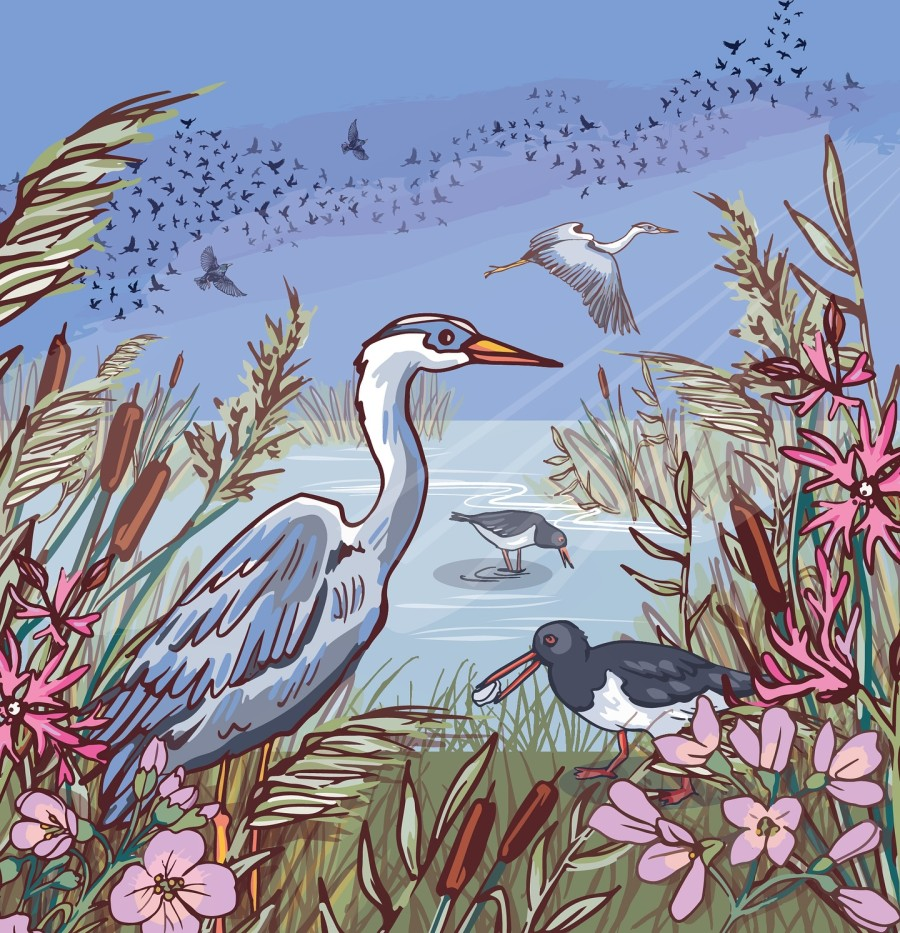
One of England’s most important wetland habitats is the Somerset Levels, shaped by rivers and peat to provide lowlands that are haven for local wildlife, thanks to reed beds and shallow lakes.
Bitterns, marsh harriers and thousands of winter starlings call this place home. Along with cranes (England’s tallest birds) who have returned after 400 years. And it’s one of the few places in England where raft spiders live (they sit near bogs and ‘float’ while catching prey.
Wings Over the Wetlands: Protect Wading Birds
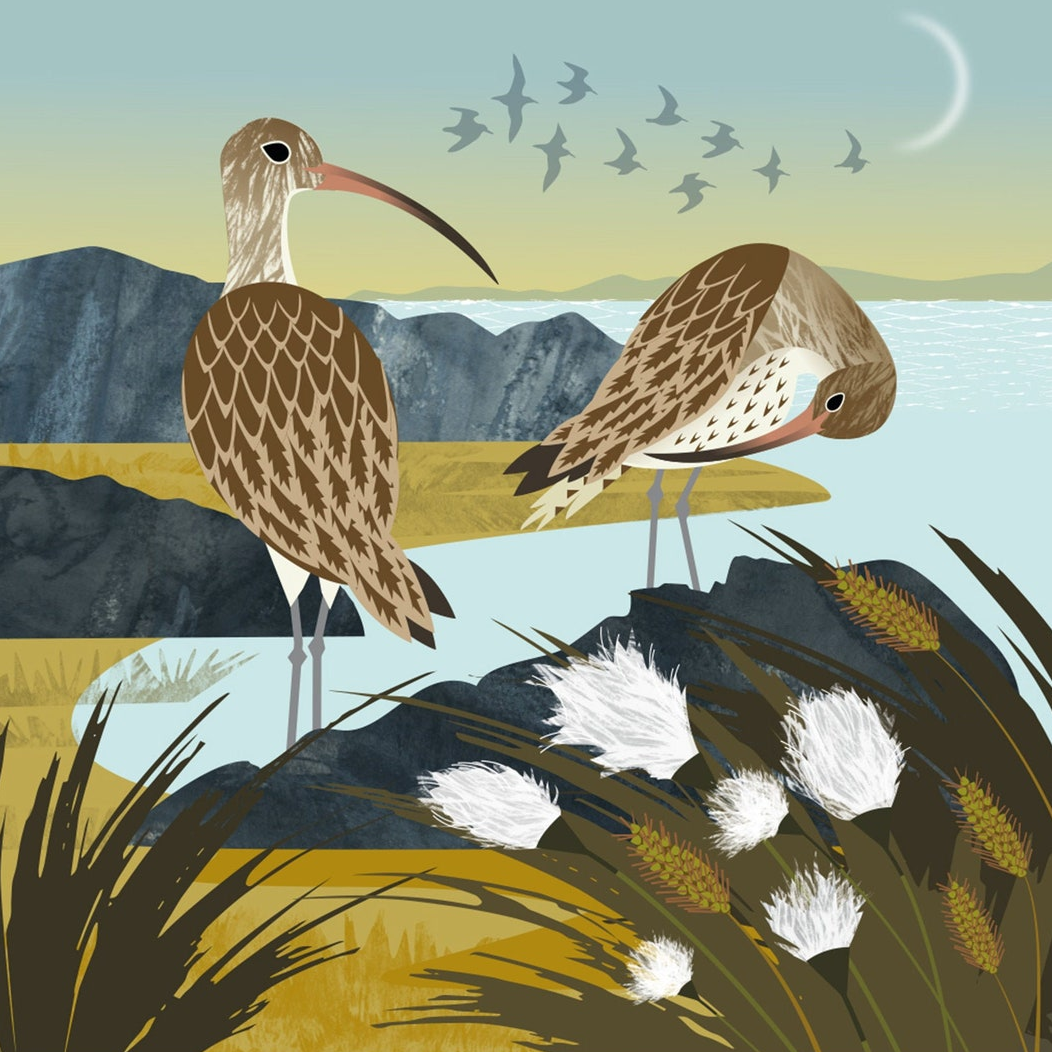
Curlews are Europe’s largest wading birds, and many of these critically endangered birds live in England. Named after their melodic call, their official name is Greek for ‘new moon’ (due to the shape of their long curved beaks, which are ideal to probe soft soil and mud, to find worms and crabs).
They mate for life, often returning to the same nesting spots each year. But their habitats are now endangered, mostly due to intensive farming practices (curlews lay eggs directly on the ground).
Keep at least 50 metres away from wading birds (they need more space at high tide), as flying away wastes energy that could be used for feeding. Keep dogs away, as disturbing nests could cause birds to abandon chicks (most areas popular with wading birds have sinking mud, so are not safe areas to walk anyway. Read more on keeping dogs safe at the seaside.
RSPB ask that vulnerable breeding birds are given space on the ground during nesting season (curlews, lapwings, little terns and skylarks are often found on beaches, heathland and woodland). They could abandon nests and eggs if disturbed by people or dogs.
Keep to marked paths with dogs under close control (especially from March to August) when parent birds are sitting on eggs, and chicks are on the ground – chicks are more mobile from July, putting them more at risk). If you see any running about, keep at least 100m away, to protect them.
Lapwings and plovers may even feign a broken leg or wing, to distract attention away from chicks.
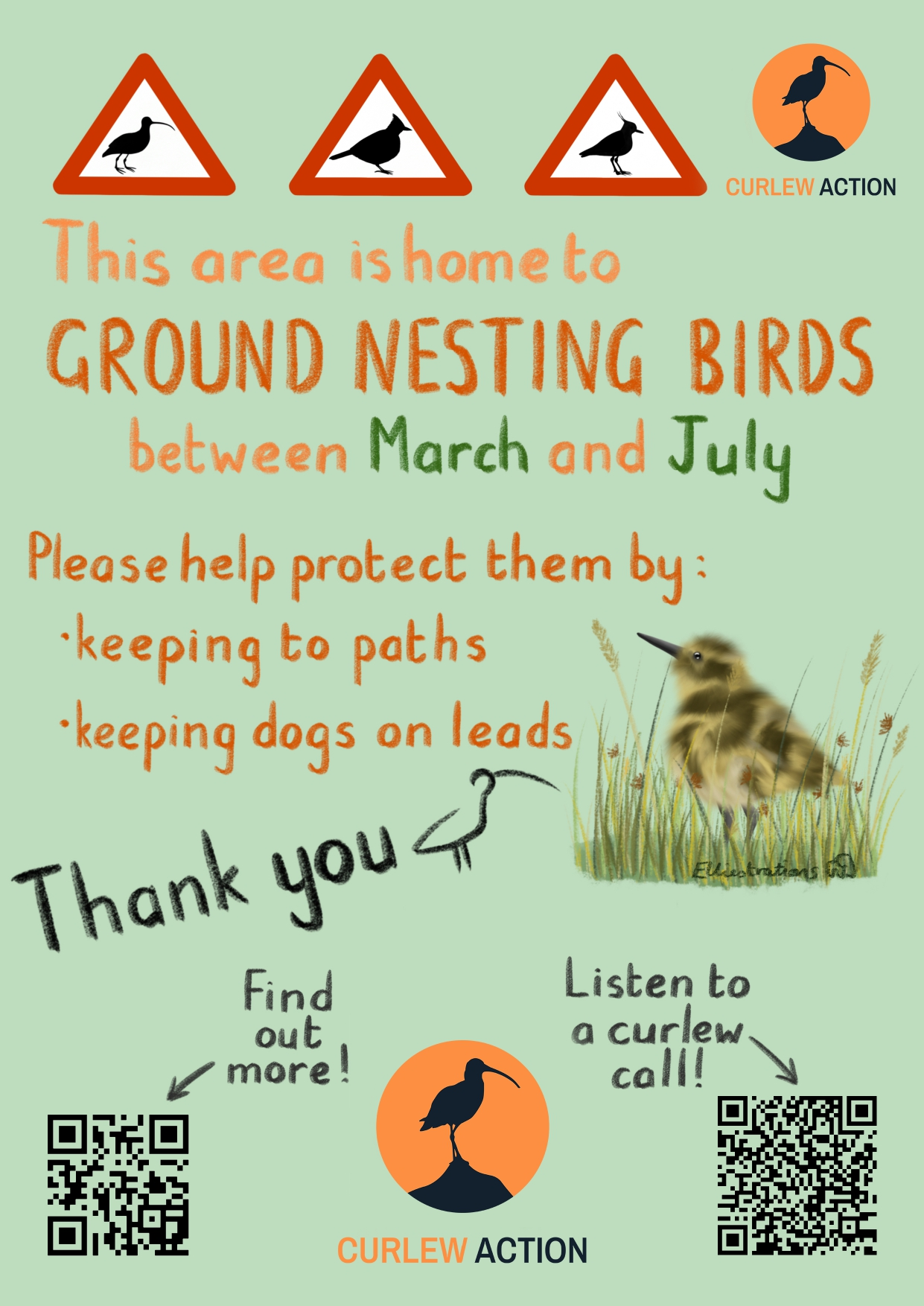
Keep to official walking paths (especially during breeding season from April to July) and keep dogs on short leads. You can download free signs in English or Welsh.
Here a few simple ways we can all help endangered curlew birds:
Don’t drop litter (and report dropped litter)
Report Litter to Fix My Street. Councils (no matter who dropped it) are responsible for clearing it on public land. For private land, they can serve Litter Abatement Orders.
Anglers can use a Monomaster to store gear, until they find a line recycling station.
Help prevent wildfires
Never smoke near farmlands or wetlands (and use a personal ashtray to immediately distinguish cigarettes. And never release fire lanterns.
Practice nature-friendly farming
As well as protecting wetlands (avoid planting trees in these areas, as they can help to hide predators), leave areas with nesting birds alone. If you mow, start from the inside out to edges of fields, so creatures have a chance of escape. Join the Nature-Friendly Farming Network.
Campaign for wildlife-friendly planning
Write to your MP. We need affordable homes, but not on land that is home to our native and endangered wildlife. Politicians can work with wildlife ecologists, to learn how to build without harming other creatures.
Report wildlife crime
You can report wildlife crime (anonymously) to Crimestoppers. In many cases, there are rewards (using a bank code, so no personal details are given).
Wading birds (which sometimes live by the coast but mostly in wetlands) have long legs and long bills, to enable them to feed on worms, crustaceans and invertebrates in muddy estuaries. Some migrate here from the Arctic, others live in England year-round. All are at risk, due to lack of wetlands and modern farming methods, which off-run chemicals into water ways.
Often seen in huge flocks (often in tens of thousands), they are especially seen on Morecambe Bay (north west England) and The Wash in East Anglia.
Let’s Meet Some of England’s Wading Birds!
- Avocets use their unique beaks to build ground nests surrounded by water. Mostly found in southern and eastern England, they almost became extinct, but conservation efforts means numbers are returning. These black-and-white birds are the emblem for RSPB.
- Black-winged stilts have long pink legs and black-and-white feathers. A rare breeder in England, these birds have started to nest here, due to warmer weather. They like shallow lagoons, where they wade through still water in search of insects, snails and small fish.
- Black-tailed godwits are slender birds with orange-brown necks in spring, and black-and-white wings. Mostly migrating from Iceland, some breed in England’s Fens in eastern England. Bar-tailed godwits are smaller, with striped tails and upturned bills.
- Common snipes use a ‘sewing machine’ method to investigate marshes for food. Jack snipes are only seen in England in winter (they pump their bodies up and down, as they walk!)
- Dunlins (and little stints) look similar to curlews, with downward-curving bills, and although brown in breeding season, are grey in winter. These small busy birds rarely rest, dashing about in large flocks to probe the mud for food. In winter, the sight of thousands wheeling in the air is a true spectacle.
- Knots have brick-red plumage, though look more grey in winter. They migrate from the Arctic each autumn, to feed on shellfish and marine worms.
- Lapwings have striking black and white plumage and distinct calls. They are critically endangered (at risk of extinction in west England) due to lack of wetlands. They also like grasslands for food and camouflage against predators, laying eggs in shallow scrapes.
- Lapwings are wading birds with acrobatic flying displays, and again will dive-bomb predators. These birds are now endangered due to lack of wetlands, also in Ireland (where they are the national bird).
- Redshanks have carrot-coloured legs, and make fast-piping whistle calls. They again arrive from northern Europe in winter (greenshanks and spotted redshanks have longer legs and bills).
- Plovers are common on England’s coast (ringed plovers are larger, and little-ringed plovers have golden rings on their eyes). known for their stop-start running after prey.
- Ruffs have impressive ruffs around their necks, and favour flooded meadows, wetlands and muddy edges of lakes. They rarely breed in England, but migrate here from abroad.
- Snipes are secretive birds that hide in reeds or long grass. When startled, they explode from cover in a zigzag flight, and in spring, males ‘drum’ by vibrating their tail feathers in a proud display.
- Spoonbills are named after their spatula-shaped bills, which can easily sift through water and mud to find tasty treats like beetles, small fish and tadpoles. Mostly found on the North Norfolk coast, abroad these endangered birds roam the icy coasts of Siberia to lush wetlands of Africa.
- Common cranes are England’s tallest birds. Mostly found in Norfolk, Cambridgeshire and Somerset, they are known for their beautiful courtship dances (each bird walks around the other with spread wings, then leaps in the air to bow, and throws grass blades and sticks in the air, to show their love!)
The Land of Endless Sky: England’s Fens
The Fens is one of England’s most unique landscapes, an area of wetlands mostly found in Cambridgeshire and Lincolnshire. The ancient peaty land covers around 600 square miles. not just wetlands, but rivers and drainage systems, in a low-lying region that offers a unique ecological habitat for birds and native wildlife.
They stretch across parts of Cambridgeshire, Lincolnshire, Norfolk, and Suffolk. Think Ely and Wisbech, King’s Lynn and Boston, Spalding and the villages between them. This is a place made by water, then re-made by people, and still kept in shape by constant effort.
The soil here is so fertile, that it is where most of England’s organic food is grown (most contents of your veggie box will come from here, if not locally grown to your county).
Herons, Egrets and Bitterns
Herons, egrets and bitterns are found everywhere (apart from Antarctica) and can be striking grey to muted blue, adapting to both freshwater and saltwater habitats.
Keep at least 50 metres away from wading birds, as flying away wastes energy that could be used for feeding (they need more space at high tide). Keep dogs away, as disturbing nests could cause birds to abandon chicks. Read more on keeping dogs safe at the seaside.
These birds often stand very still, waiting for their next meal. But how do you know which is which?
Herons and egrets both cover great distances, though endangered bitterns (just 200 or so breeding pairs in the UK) are less migratory – but still may move to find food elsewhere. Read more at Wildfowl & Wetlands Trust.
- Herons (like cranes) perform courtship dances where they stretch their necks, flare plumage and fly in the air.
- Egrets are smaller and less noisy than herons, with white plumage. They are more social and preen each others’ feathers. They tend to prefer wetlands, while herons are sometimes spotted by the coast.
- Bitterns are harder to spot, as they often hide their streaky brown feathers amongst reeds and marshes. These solitary birds live amid dense vegetation, but in spring you may hear their distinctive ‘booming’ call.
Restoring our wetlands is the best way to help wading birds, as it provides natural food and habitat. In recent years, many wetlands have been lost to farming and building, so birds lose their nesting and feeding grounds.
Other issues are water pollution, raw sewage and climate change which changes weather patterns). So support small organic farmers that protect wildlife corridors, and avoid companies that use pesticide, that kill the creatures that wetland birds feed on.
How to Humanely Deter Herons from Ponds
It’s sad to say, but herons do kill fish and ducklings. So if you have a garden pond, herons will try to find them. You have to accept it’s nature. Two possible solutions are tall plants at the edge (to obscure views of fish) and a solar fountain to agitate the water (so herons are less likely to see them).
Dummy herons rarely work (herons hunt together, so think they’ve found a mate). And heron deterrent discs have holes in which hedgehog spikes could get caught. Netting is not recommended, as it can trap birds and wildlife.