The Global Blueprint: Solve the World Water Crisis
Turn on a tap and it’s easy to think water problems are far away. Yet the world water crisis is already here for millions. In simple terms, it means not enough safe drinking water, not enough sanitation, and too much water lost, wasted, or polluted.
Climate change shifts rainfall and drives harsher droughts and floods. Ageing pipes leak treated water back into the ground. Farming demand stays high, while pollution makes rivers and groundwater unsafe. Fast-growing cities also strain systems built for smaller populations.
The Last Drop is an important book. looking at solve the lack of fresh water (most is held up in glaciers, and the rest is often polluted). An environmental journalist meets experts, victims, activists and pioneers to show how we can solve the water crisis, to ensure that everyone on earth (along with our animal friends) have access to fresh clean water.
In South Africa, more than 30,000 people in the agricultural sector have lost their jobs, because there’s no water to irrigate the crops.
Some farmers are cutting the buds off orchard trees because if there’s fruit and no water, it could damage them irreparably. And people from outside Cape Town are donating food for livestock, because there’s a shortage of fodder.
Tim Smedley is an award-winning environmental journalist, whose book Clearing the Air was shortlisted for the Royal Society Science Book Prize. Air pollution kills 19,000 people each day worldwide (more combined than car accidents, malaria, TB and HIV/AIDS).
Ways to Help Provide Clean Water Abroad
Millions of people still drink dirty water every day, which leads to sickness and keeps communities from growing. Simple changes can make a lasting difference.
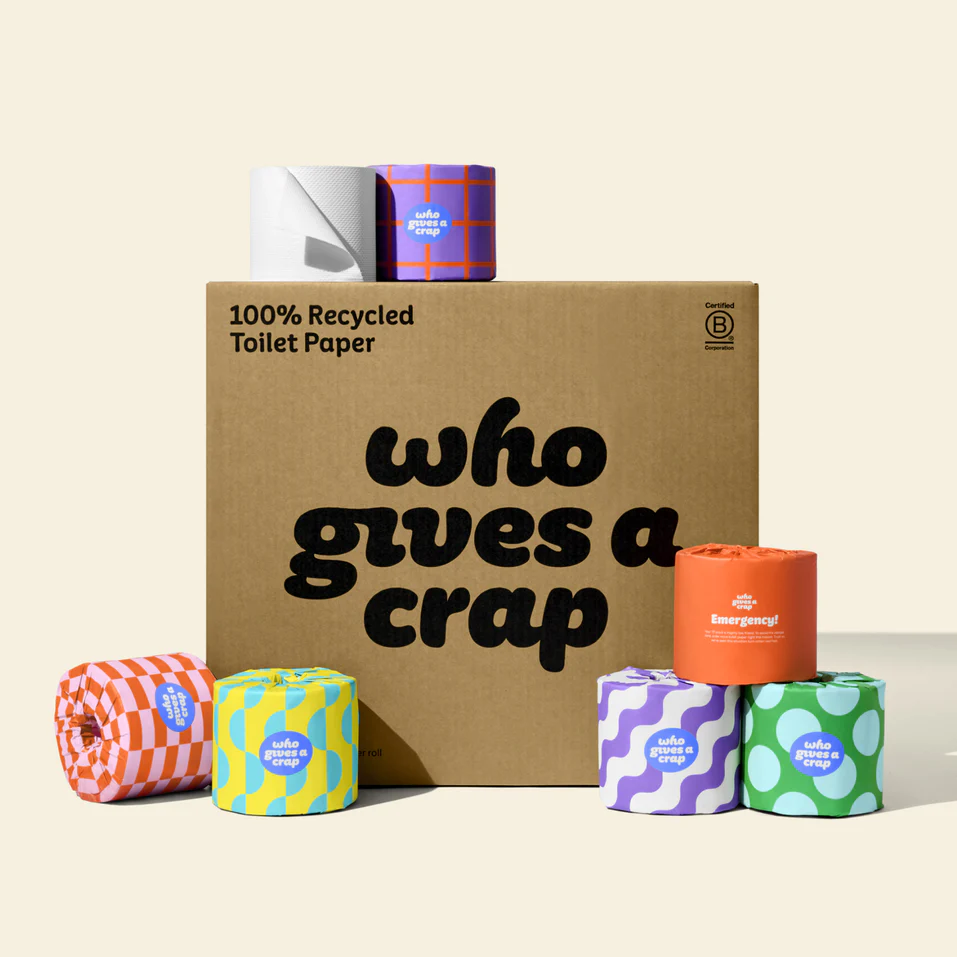
- Clean toilets stop germs from spreading. Buy toilet paper from Who Gives a Crap? (made from recycled paper, 50% of profits help bring clean sanitation to communities abroad).
- Deep wells pull clean water from far below the ground. Hand pumps or solar-powered pumps make it easy to bring water to the surface. They also protect water from germs, dirt, and animal waste. Local training helps families fix and care for the pumps, so water keeps flowing year after year.
- Hipporoller is a simple invention that lets women and children wheel water from wells, rather than walk for miles carrying heavy buckets on their heads (which leads to headaches and weak bones). It’s also quicker, meaning children spend more time in school.
- Portable ceramic or sand filters block out bacteria and dirt. Small filters fit right on a jug or bucket, while larger ones can clean water for a village.
- Lifestraw is a personal water filter that needs no electricity, and purifies unsafe water. Some people say this should not be used to ‘make people drink dirty water’, but it’s quick and affordable to save lives, while people wait for others to build wells.
- Rainwater harvesting can capture rain through tanks, gutters and simple pipes, to make the most of each downpour. Stored rainwater helps during dry months, and basic filters or boiling can make it safe to drink. Natural springs can provide clean water, with proper covers.
- Piped water systems can carry water over hills or long distances. Taps in the village save time and effort. No need to walk for hours each day just to collect water.
Keep rivers and groundwater safe
Water scarcity isn’t only about quantity. Dirty water isn’t usable, even when a river looks “full”. Once pollution enters groundwater, clean-up can take years. The main sources are well known: sewage, industrial discharge, farm run-off (fertilisers and pesticides), and plastics and rubbish.
First, governments can enforce discharge rules with routine testing and penalties that actually bite. Next, cities can expand sewage treatment and connect more homes, because untreated waste often flows straight to rivers. Industry can re-use process water and treat waste streams properly, instead of shifting costs to communities downstream.
Nature can help too. Wetlands, riverbank planting, and buffer strips on farms can slow run-off and filter pollutants before they hit waterways. Better waste collection also prevents plastics breaking down into rivers, then seas.
Grow more food with less water
In many countries, agriculture uses most freshwater. Farmers face rising costs, heat stress, and uncertain rainfall. Any plan to solve the world water crisis must support farmers with good ideas like climate smart agriculture, which helps to reduce water through evaporation and run-off.
Flood irrigation can work in certain settings, but it often sends water where crops can’t use it. Targeted watering helps because it puts water closer to roots:
- Drip irrigation delivers small amounts steadily, which suits orchards and vegetables.
- Sprinklers can be improved with low-pressure heads and better scheduling.
- Soil moisture sensors stop “just in case” watering and guide timing.
- Watering at cooler times (early morning or evening) cuts evaporation.
- Fixing canals and lining channels where suitable reduces seepage losses.
Crop choice matters because not every crop fits every climate. Growing thirsty crops in dry regions often shifts the burden to depleted aquifers and stressed rivers. Where conditions allow, farmers can switch to less water-hungry varieties, adjust planting dates, or adopt drought-tolerant breeds developed for local heat and rainfall.
Rain capture and better sanitation
Wastewater is often treated as a problem to hide. It can also be a resource. Water reuse means cleaning wastewater so it can safely irrigate parks, supply industry, recharge groundwater, or in well-managed systems, return to drinking supply.
Cities can also catch rain where it falls. Rainwater harvesting on buildings helps for gardens, toilets, and cleaning. Meanwhile, permeable surfaces, green roofs, and restored wetlands reduce flood peaks and help water soak into the ground. These steps matter more as heavy downpours become more common.
Sanitation sits at the centre of public health and water security. Toilets and sewers stop human waste entering rivers and wells. That protection keeps more water safe to use, which is as important as finding new sources.
One (sparkling water to help people abroad)
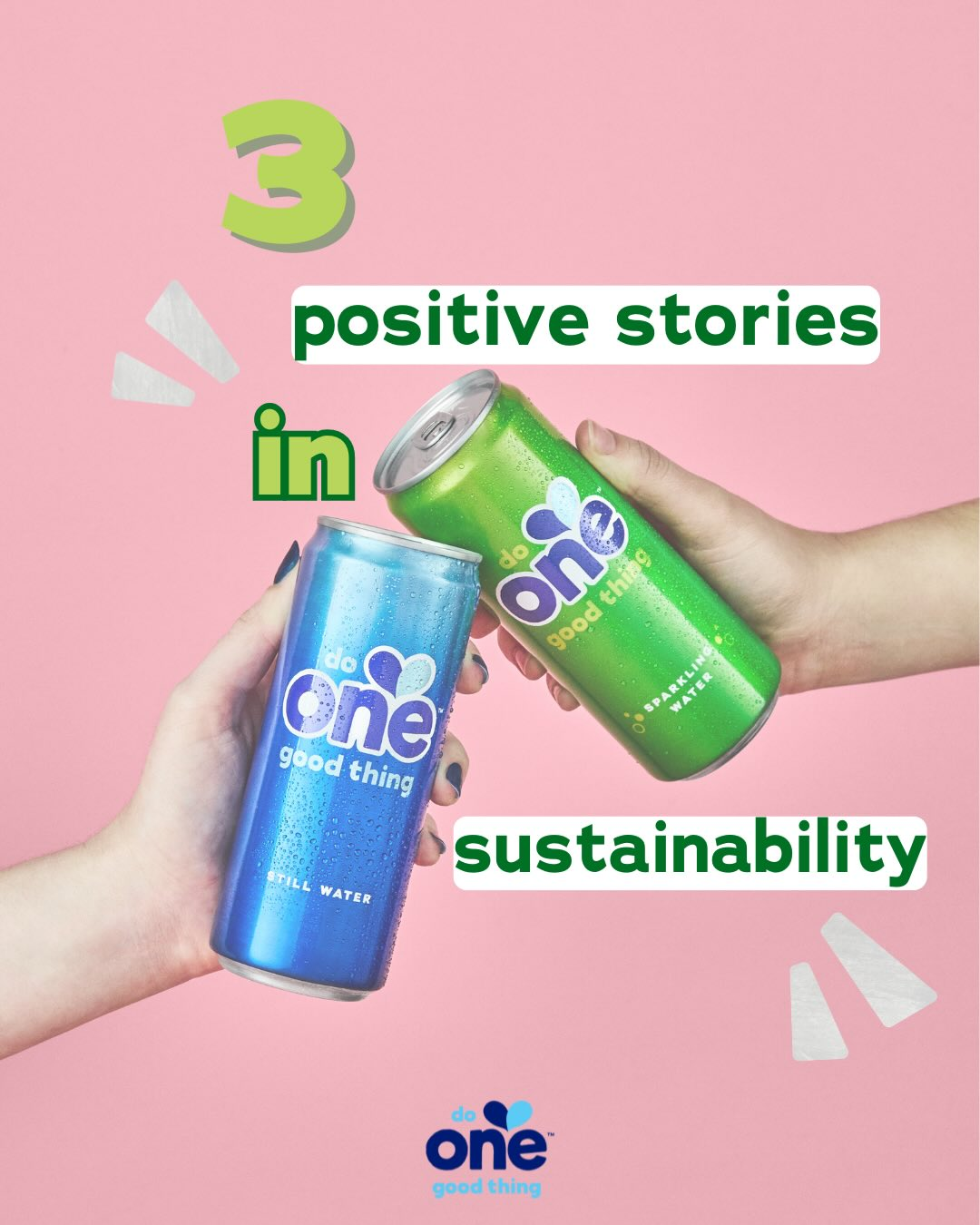
One Water, a canned brand (still or sparkling), set out to change that with a simple, heart-warming idea: use the profits to fund projects abroad. Sold in Co-op and many other shops nationwide. Buying a can does more than quench thirst. Each bottle sold funds programs that bring clean and safe water to people in need.
Before recycling cans, rinse then remove lids (pop ring-pulls over holes). Then step on the can to ‘pinch’ inner rims together, to avoid wildlife getting trapped.
These projects include building wells, fixing local pumps and setting up tanks in villages where drinking water is hard to find.
In 2003 (on the same day that Saddam Hussain was found hiding in a bunker) the founder had just returned from 2 years travelling around the world (which included a spate without safe clean water thanks to Hurricane Mitch in Honduras).
He opened the newspaper to find a photograph of a young girl in Nairobi. She was sitting next to a tap – that was padlocked. So far his foundation has raised over £30 million, helping to bring clean safe water to over 5 million people.
Monies raised mostly focus on work in 4 countries:
- Ghana
- Malawi
- Kenya
- Rwanda
Projects helped so far include a whole village receiving clean safe water in Malawi (where almost half the country has no access to clean water and 25% of people have no access to clean toilets).
Although tap water in England is perfectly safe, many people choose bottled whether that’s for travel, at the gym or in emergencies when there is no tap around. But most shops sell an array of confusing brands in various packaging.
How do you know which one is best to buy? In short, choose water that is locally-sourced (not shipped by plane from Fiji) in sustainable bottles that are easy to reuse and recycle.
Look for brands in aluminium cans or glass. Although many are now in recycled plastic, when littered they still fall down drains and break into microplastics in the sea, accidentally ingested by marine creatures.
Beers to fund fresh water projects
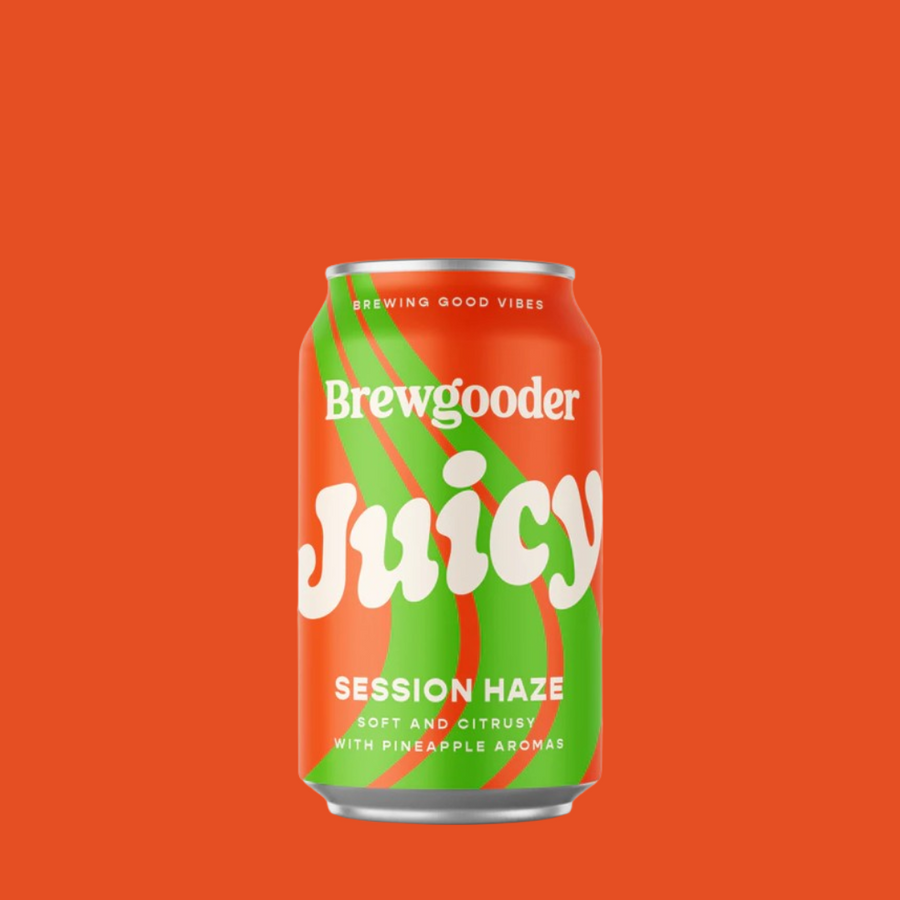
Brewgooder is a Glasgow-based vegan beer with a difference. Because it uses profits to fund clean water projects abroad, for the millions of people who can get thirsty, sick or even die from dehydration or dirty water. The founder actually became ill from contracting a parasite from contaminated water. This was inspiration for founding the brand.
Back home, he recovered thanks to NHS treatment, and realised that clean water is a human right, and used his business knowledge to found a company that could do good work abroad. So far Brewgooder has provided over 150 million litres of clean water, to people around the world. Some examples are:
- Funded over 130 projects in Malawi (including well rehabilitations, borehole constructions and water mapping, which has impacted over 65,000 lives).
- Supported initiatives that tackle food poverty and homelessness in the UK.
- Fund a scholarship for ethnic minority students in the brewing/distilling industry.
- Supported conflict-affected communities, providing aid in areas like Gaza.
Most Work Done in Malawi
Most of the profits from this brand go to fund clean water projects in Malawi, ‘the warm heart of Africa’, in a landlocked friendly nation. Yet despite a fifth of the country being covered by Lake Malawi, a third of people have no access to clean safe water, due to poor infrastructure and most being used for agriculture.
Around 40% of treated water is also lost each year to theft, illegal connections and leaky pipes.
More than half the population (around 10 million people) lack access to decent toilets, and over 1000 children under 5, die annually from diarrhoea (caused by unsafe water and poor sanitation).
Two huge reasons for lack of clean water are droughts and floods (which causes dirty water) which are being made worse by climate change. This is the problem when media don’t call out politicians who are denying climate science and ripping up climate policies. It’s innocent people in poverty-stricken countries who end up the biggest losers.
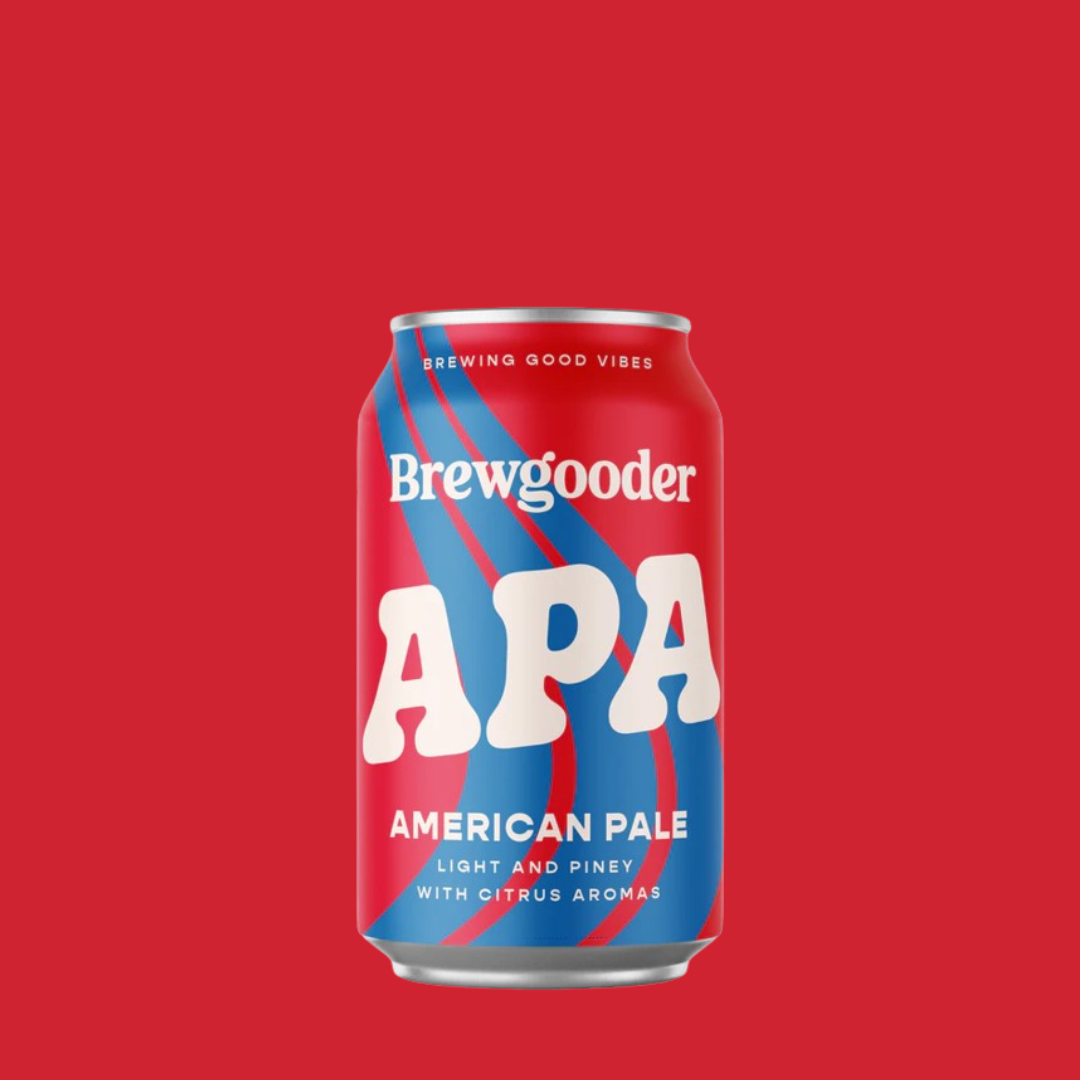
You can find Brewgooder beers in many shops and supermarkets (including Tesco), pubs and restaurants. Or buy online (including mixed cases):
These beers are naturally vegan (no bone or fish finings).
- Sun and Stone (this is made alongside a pioneering Palestinian microbrewery, inspired by the region’s warm sun and rugged limestone hills). It’s a crisp lager with German hops, with artwork by Levantine artist Nouri Flayhan. All proceeds support communities in Palestine and across the Middle East, including through the work of the Disasters Emergency Committee.
- Goood Beer (a session pale ale with refreshing finish)
- Tropic (a pale ale with flavours of mango & passion fruit)
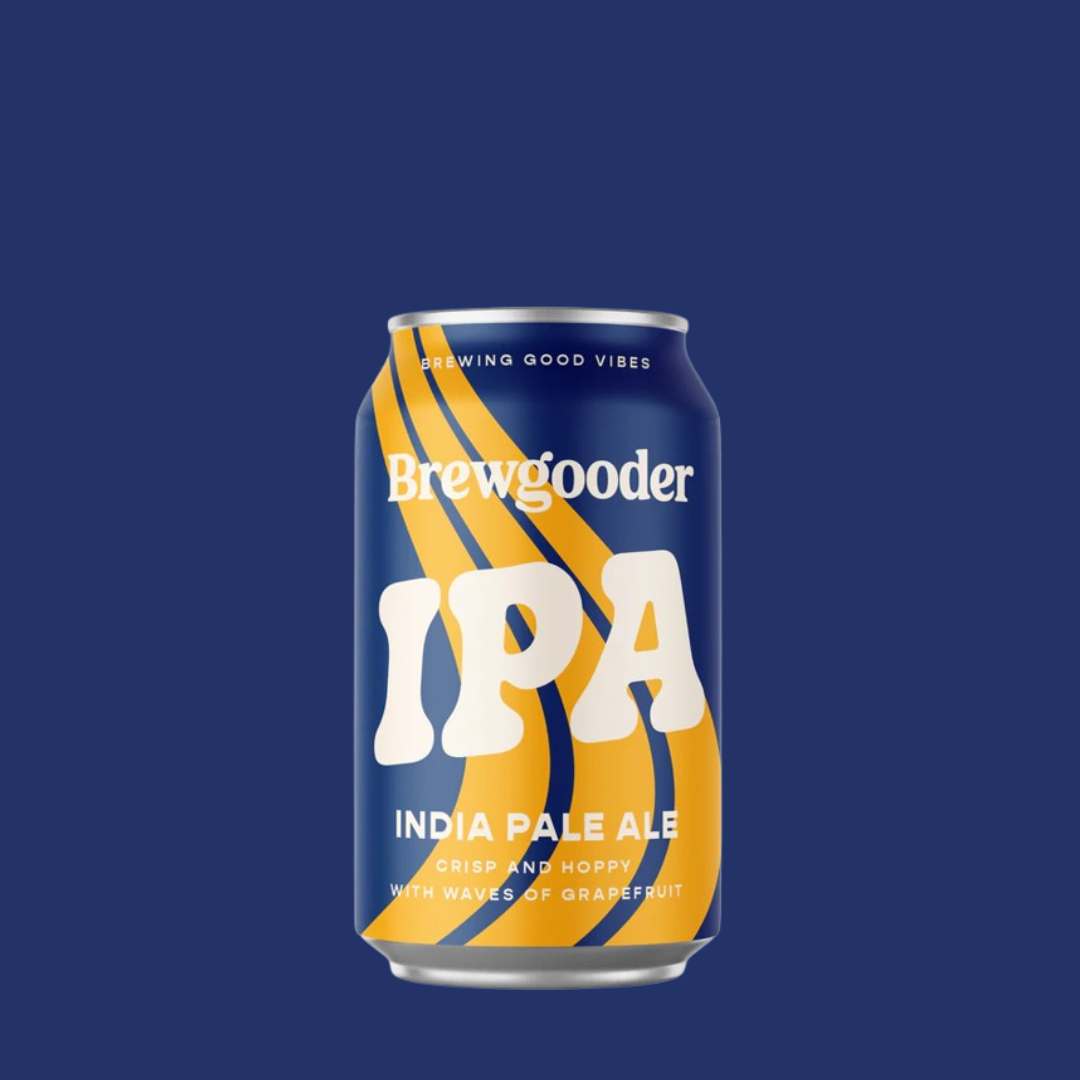
- IPA (an Indian pale ale with flavours of grapefruit & lime)
- Juicy (a citrus IPA with pineapple & lemon aromas)
- APA (a piney American pale ale)
- Fonio (a Fair Trade IPA brewed with ancient grain sourced from smallholder farmers in West Africa).
Filtered water to help global south countries
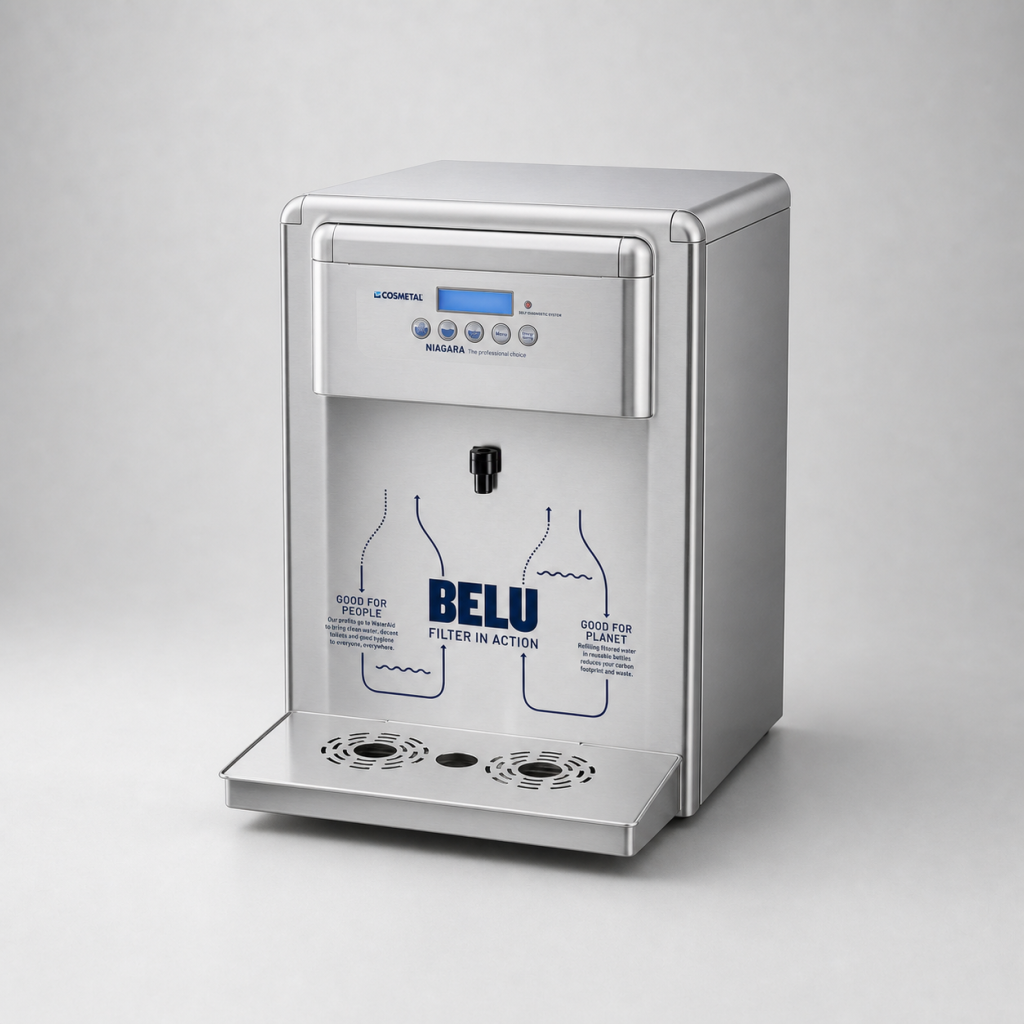
Belu is an amazing social enterprise, which offers filtration systems for industry, and uses profits to help provide clean water in Global South countries. Just imagine is everyone switched over, what good it could do?
The company offers a range of machines, and can provide filtered water both front and back of house, with marketing materials and user instructions for staff. It also offers water dispensers for offices, meeting rooms, restaurants and restrooms.
There are options for chilled, still, sparkling and hot water available. Free-flowing filtered water also can boost revenues, as you will not be buying in bottled water for your business.
Over 700 million people in the world have no access to clean safe drinking water, with around one million women and babies dying each year, due to lack of clean places to give birth. Every 2 minutes a child under 5 dies, from diarrhoea caused by dirty water. And climate change is making things worse.
Frank Water also offers filtered water stations for wholesale, with profits to provide clean safe water in developing countries, mostly for children in India.
Never give sparkling water to to pets, it could cause bloat.
Although tap water in England is perfectly safe, many people choose bottled water whether that’s for travel, at the gym or in emergencies when there is no tap around. But most shops sell an array of confusing bottled waters in various packaging.
How do you know which one is best to buy? In short, choose water that is locally-sourced (not shipped by plane from Fiji) in sustainable bottles that are easy to reuse and recycle.
Look for bottled water in aluminium cans or glass. Although many brands are now in recycled plastic, when littered they still fall down drains and break into microplastics in the sea, accidentally ingested by marine creatures.
How much water should we drink?
The average adult needs around 1.2 litres per day (more in hot weather or after vomiting or diarrhoea). That’s around six 200ml glasses. So drink two glasses when you wake up, have two more before lunch, and two more before dinner. Add more per glass of wine or beer, or per tea, coffee or cola.
Wash and rinse pet bowls daily. Avoid fizzy water or guzzling water after runs or car trips (both could cause bloat). Don’t let pets drink from puddles (due to bacteria, oil, antifreeze). For outdoor pets, ensure drip-feed bottles are not blocked or frozen.
Belu offers glass bottled or cans of mineral water, with profits helping to bring clean safe water to people abroad. Or you can opt for plumbed-in water filters, to avoid packaging altogether.