Dairy-Free & Delicious: Vegan Easter Eggs

Mini vegan Easter eggs (Addicted to Dates)
Easter eggs are sold in their millions, but there is no doubt that Jesus Christ would be happy about his rising from the dead, being linked to factory-farmed dairy and plastic packaging. Whether you are a Christian or not, you don’t have to miss out on Easter egg celebrations, when there are so many good choices around!
Read up on food safety for people and pets (chocolate is unsafe near animal friends). Before recycling tins, rinse/remove lids (or pop ring-pulls over holes) then ‘pinch’ inner rims together, to stop wildlife getting trapped.
Although it’s good to compost food scraps, unless you have a food waste bin (turned into biogas), just bin allium scraps (onion, leeks, garlic, shallot, chives), citrus/tomato/rhubarb scraps and tea/coffee grounds. To avoid too much acid/caffeine affecting compost creatures.
Reasons to try vegan Easter eggs
- Animal-kind. Cows can celebrate with you, when you choose vegan!
- Dairy-free eggs are better for anyone with lactose intolerance.
- Less packaging. Vegan Easter eggs tend to be sold in sustainable packaging, produced by people who care about our planet.
- Better ingredients. You’ll usually find that vegan Easter eggs in shops use better chocolate chocolate, and less cheap fillers.
Coco Caravan (filled with gooey caramel)
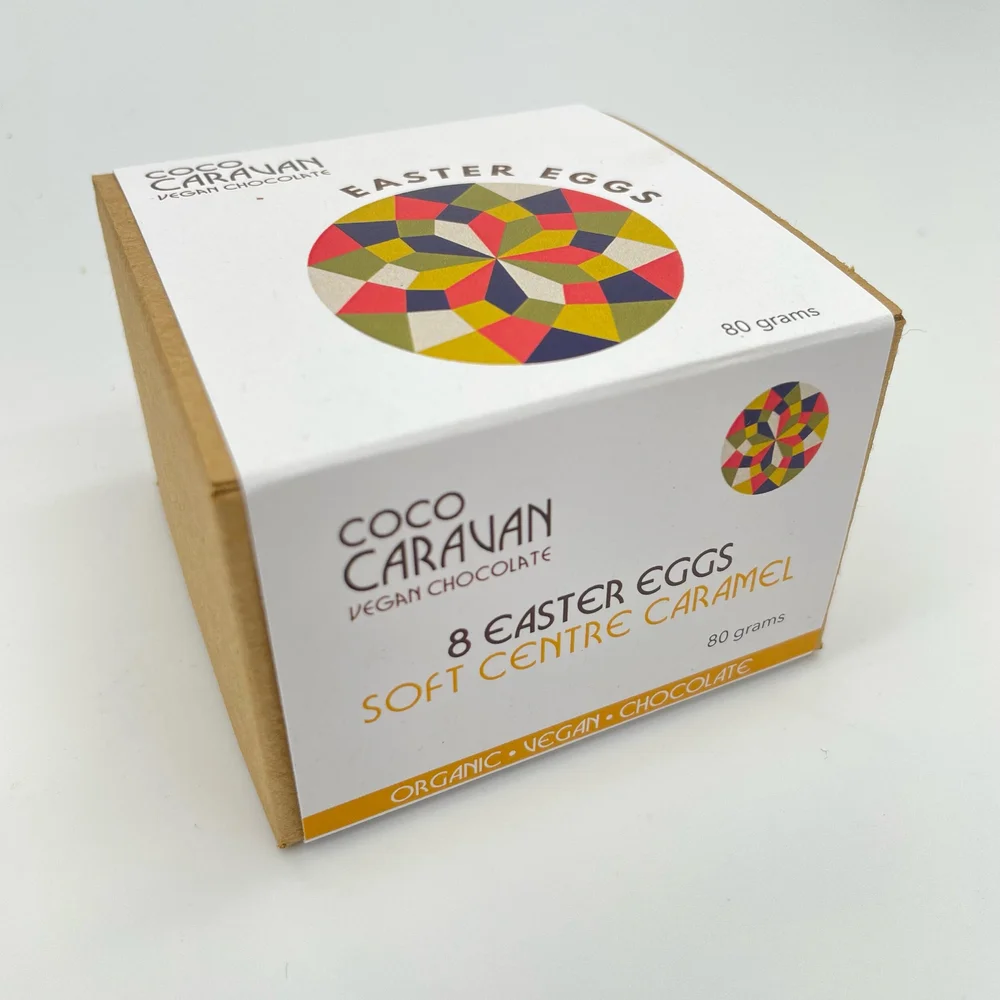
Coco Caravan (Gloucestershire) offers dark chocolate eggs in boxes illustrated with mandalas. Each egg is filled with gooey caramel.
Plamil (coffee and hazelnot egg bars!)
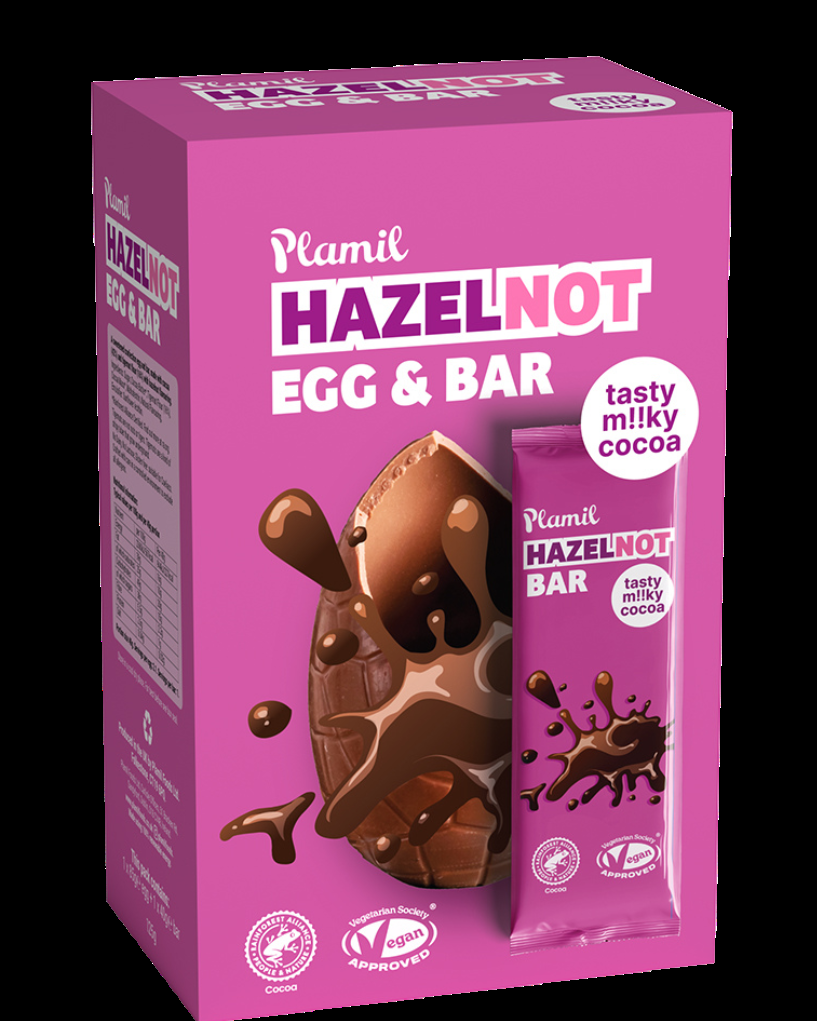
Plamil offers a vegan coffee chocolate egg. And a hazelnot egg bar! This brand was one of the first-ever vegan food companies in England, and still going strong!
Luisa’s Vegan Easter Eggs
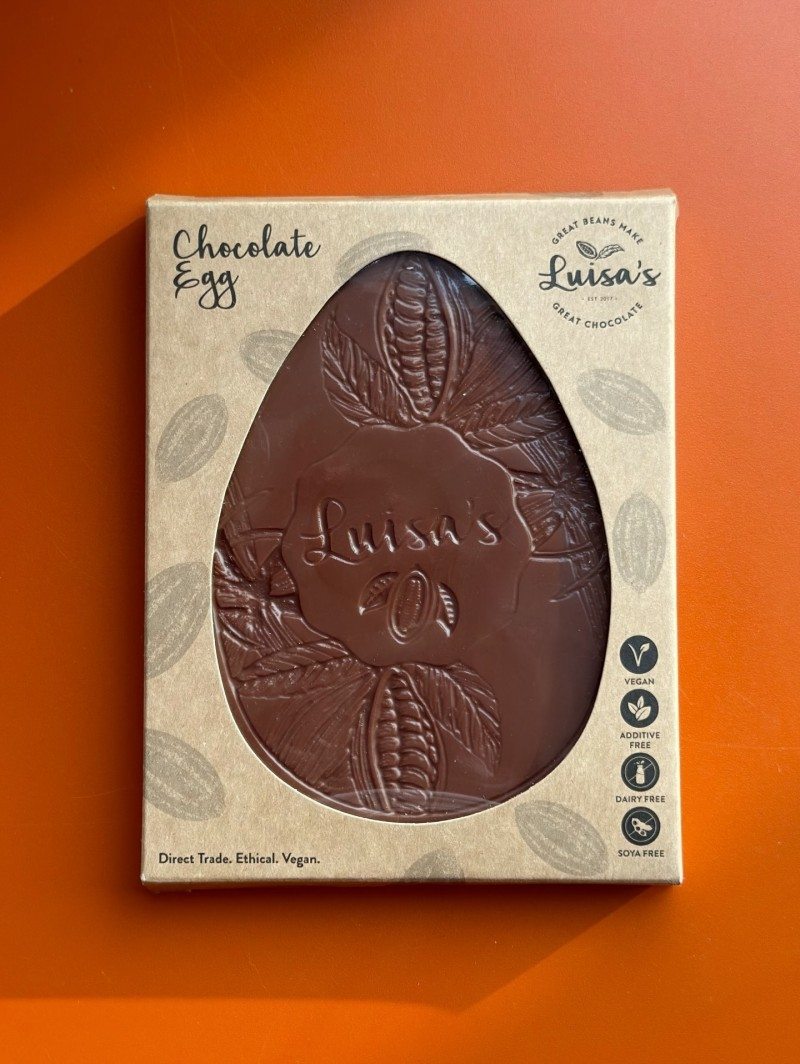
Luisa’s Vegan Easter Eggs are from a small company in Nottingham, which pays way more than Fair Trad to its cocoa suppliers. Everything’s also sold in sustainable packaging.
How Lent inspires simple living
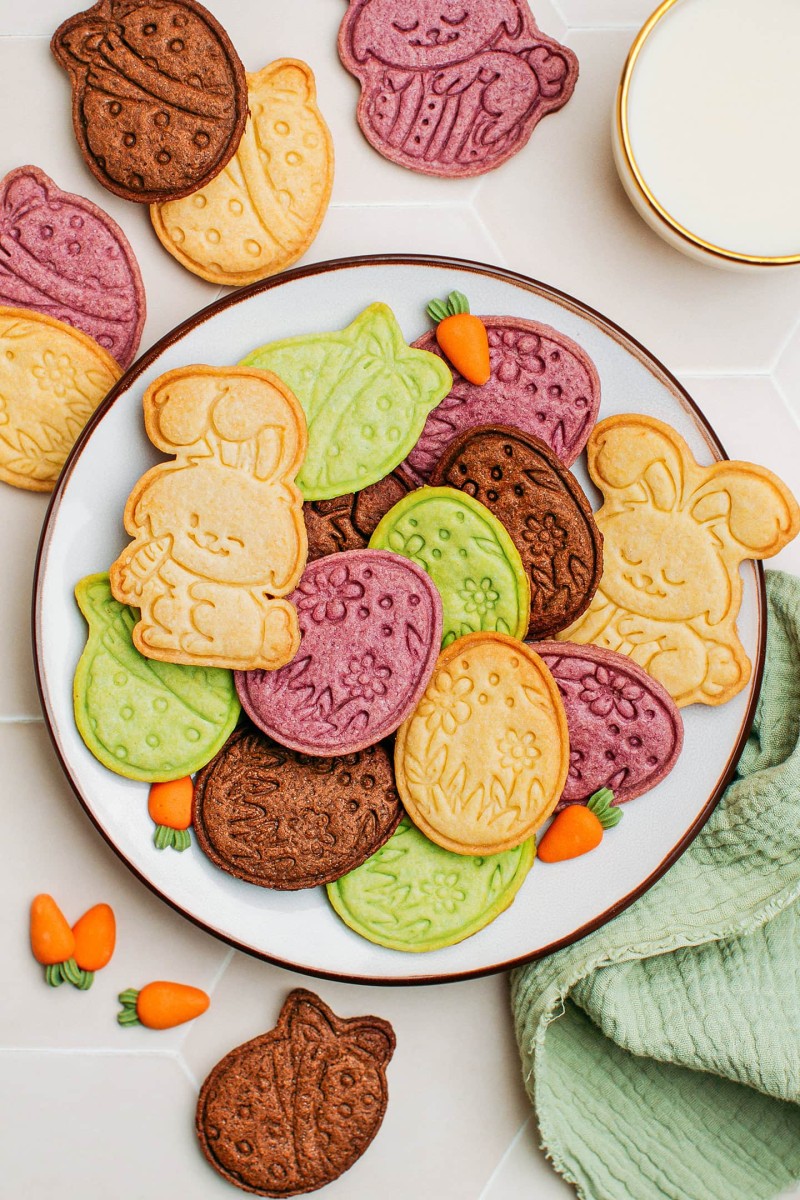
Vegan Easter cookies (Full of Plants)
Lent is a 40-day liturgical season of prayer (and sometimes fasting and almsgiving) practiced in the Catholic and other Christian faiths. It begins on Ash Wednesdays and ends at sundown on Holy Thursday, designed to spiritually prepare for celebrations of Christ’s Resurrection at Easter.
Fasting is not practiced if not safe. But for everyone else, Catholics will fast on Ash Wednesday and Good Friday, and every Friday during Lent)
Zero waste recycled Easter greetings cards
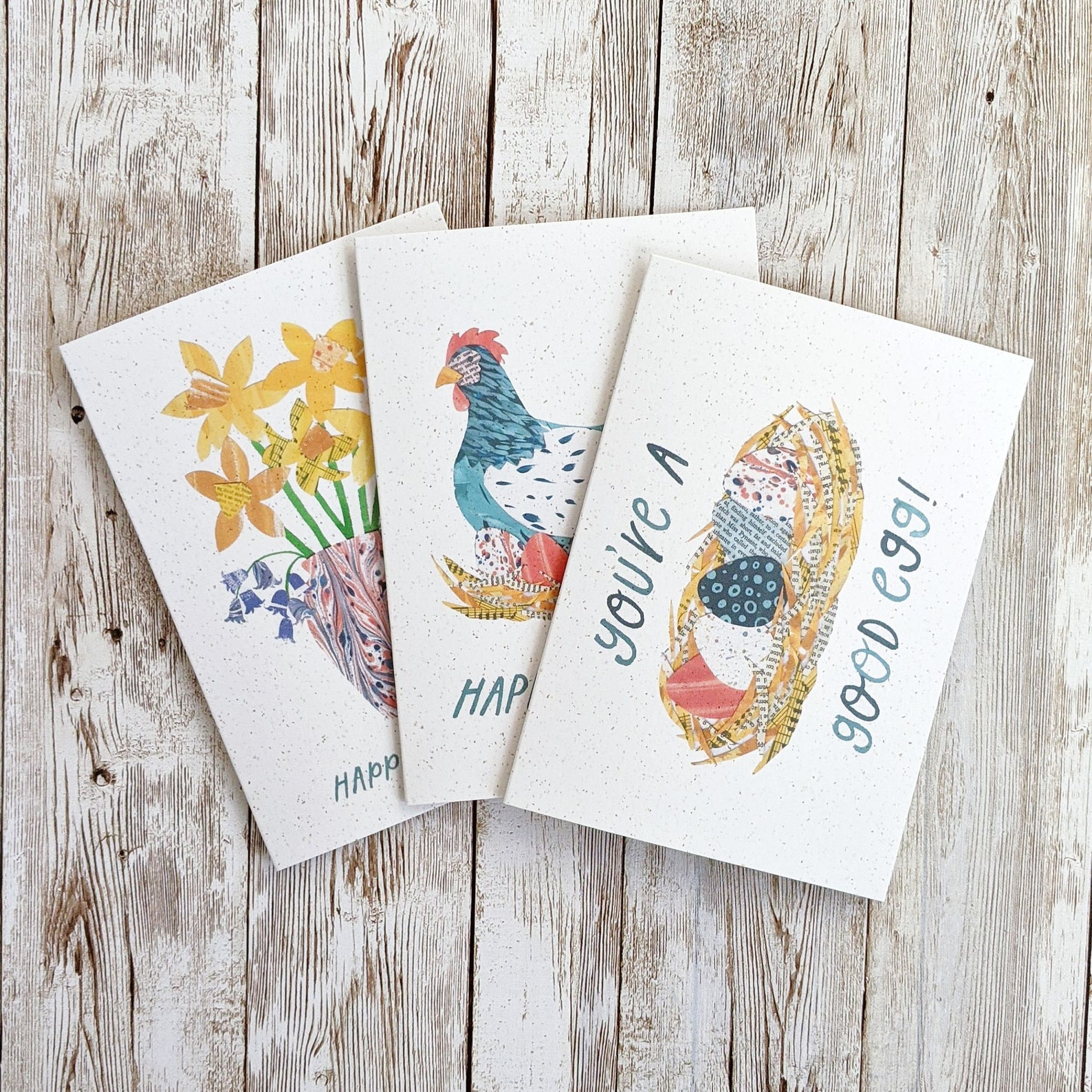
Recycled paper greetings cards reduce waste, and are far better than paper printed with FSC-paper (which still involves trees being chopped down).
Never sent plantable cards to homes with pets, as many wildflowers are toxic to pets. Daffodils and all bulbs are unsafe to pets, wildlife, livestock (and chickens).
These watercolour Easter greetings cards are perfect to stock up on, when sending a card at Easter time. They are hand-painted and printed onto eco-fleck card (made from brewer’s grain) in an A6 size. The cards are blank inside for your message, and are sold with 100% recycled brown Kraft envelopes.
Better Than the Bakery: Vegan Hot Cross Buns

Hot Cross buns are celebrated by everyone (not just Christians) at Easter, the ‘cross mark’ designed to replicate the cross that Jesus died on, then rose from the dead, which represents the whole notion of the faith.
But no doubt He would not be happy about his faith being celebrated with factory-farmed dairy and eggs and plastic packaging. So whether you’re Christian or not, here are some lovely recipes to make instead!
Read up on food safety for people and pets (many foods including fresh dough, dried fruits, nutmeg, citrus and chocolate are unsafe near animal friends). Before recycling tins, rinse/remove lids (or pop ring-pulls over holes) then step on can to ‘pinch’ inner rims together, to stop wildlife getting trapped.
Although it’s good to compost food scraps, unless you have a food waste bin (turned into biogas), just bin allium scraps (onion, leeks, garlic, shallot, chives), citrus/tomato/rhubarb scraps and tea/coffee grounds. To avoid too much acid/caffeine affecting compost creatures.
Tips for good vegan hot cross buns
- Use bread flour. High protein flour gives good gluten structure, for a chewy, bakery-style bun.
- Warm your plantmilk. Keeping your milk warm, helps to activate the yeast.
- Use fat-rich plantmilk. Forget watery rice milk for hot cross buns. Choose full-fat oat or soy, to replicate the richness of dairy.
- Weigh your ingredients. Use a digital scale (not measuring cups) to avoid dry heavy dough. Vegan baking is a bit of an exact science.
- Soak your dried fruits. Soaking raisins or sultanas in boiling water or orange juice for 10 minutes, helps them stay juicy before baking. Same with mixing spices into warm milk to release their oils.
- Sticky shine! Brush buns with warm apricot jam or a simple sugar syrup, soon after baking.
Vegan brioche hot cross buns
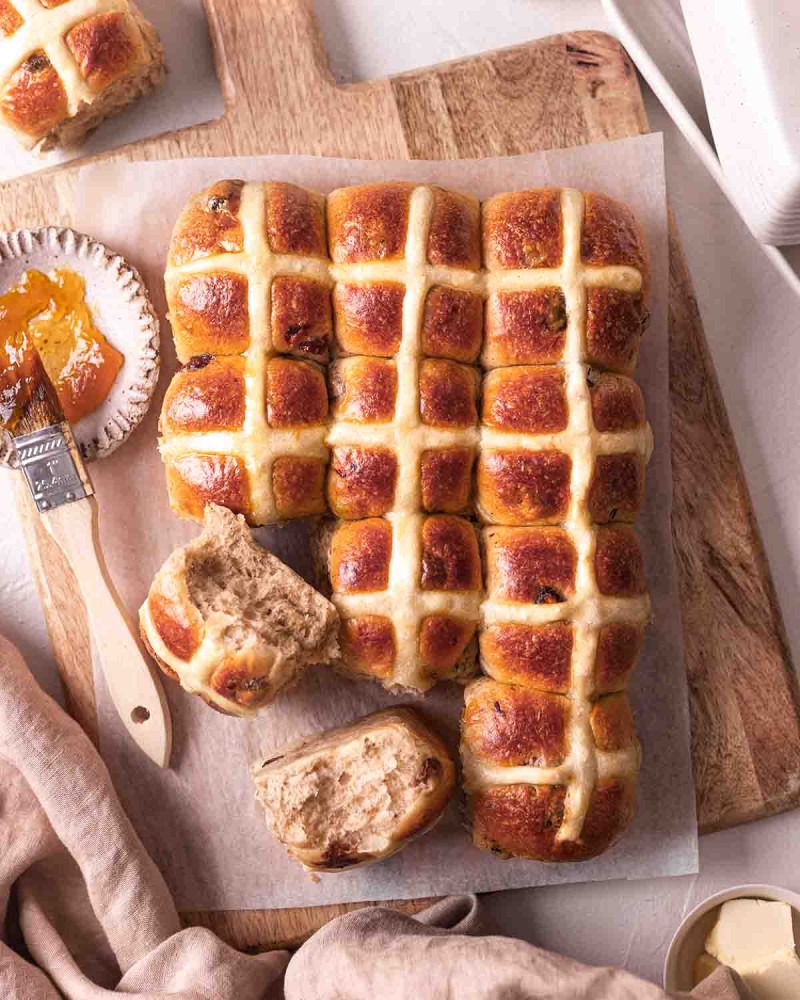
You want buttery? Buttery you got! These vegan brioche hot cross buns (Rainbow Nourishments) combine the breadiness of a hot cross bun, fused with the famed buttery French bread. Use vegan butter with no palm oil.
Vegan hot cross buns with cardamom/rum
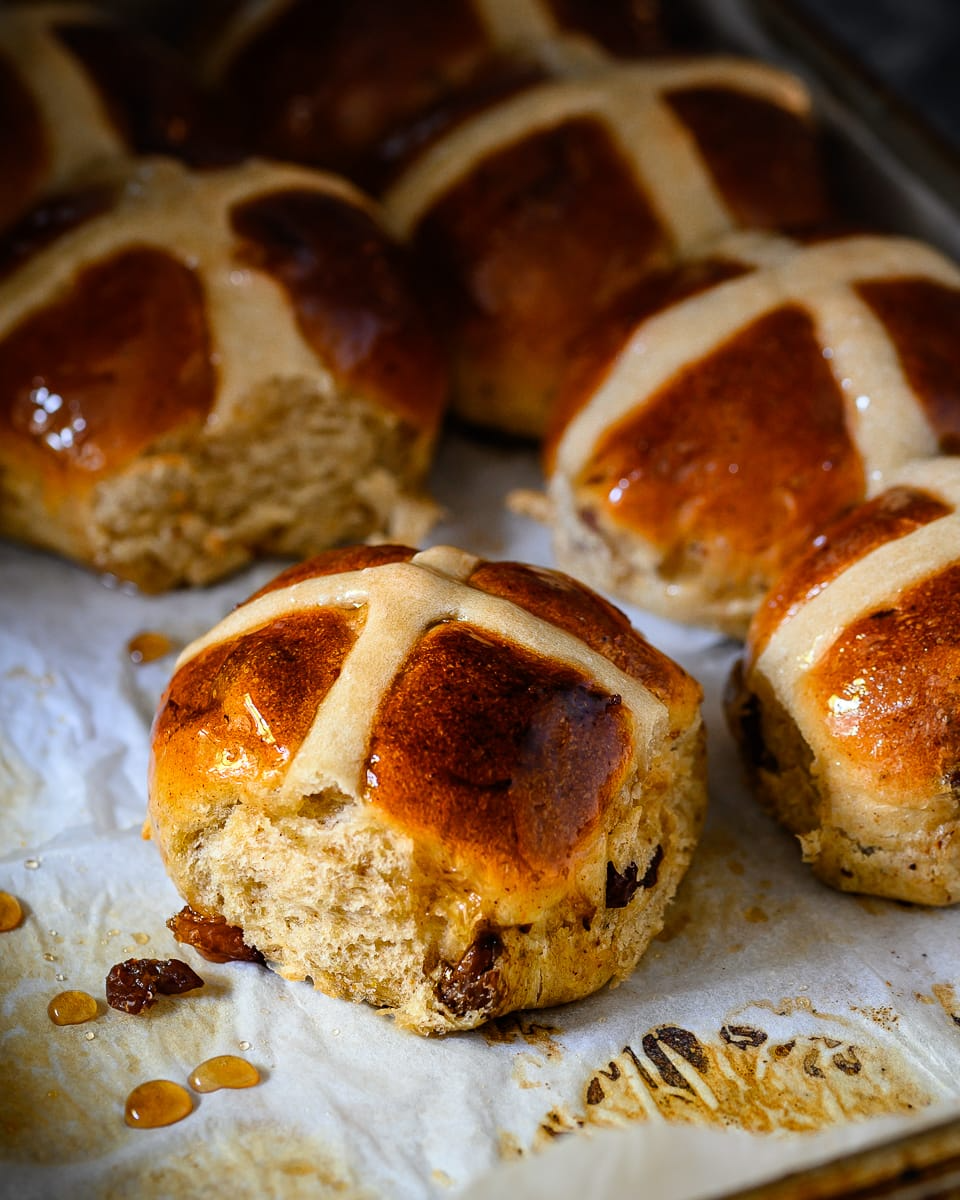
If there’s anyone going to come up with something bonkers like a hot cross bun with rum, it’s Richard at School Night Vegan. Also spiced with cardamom.
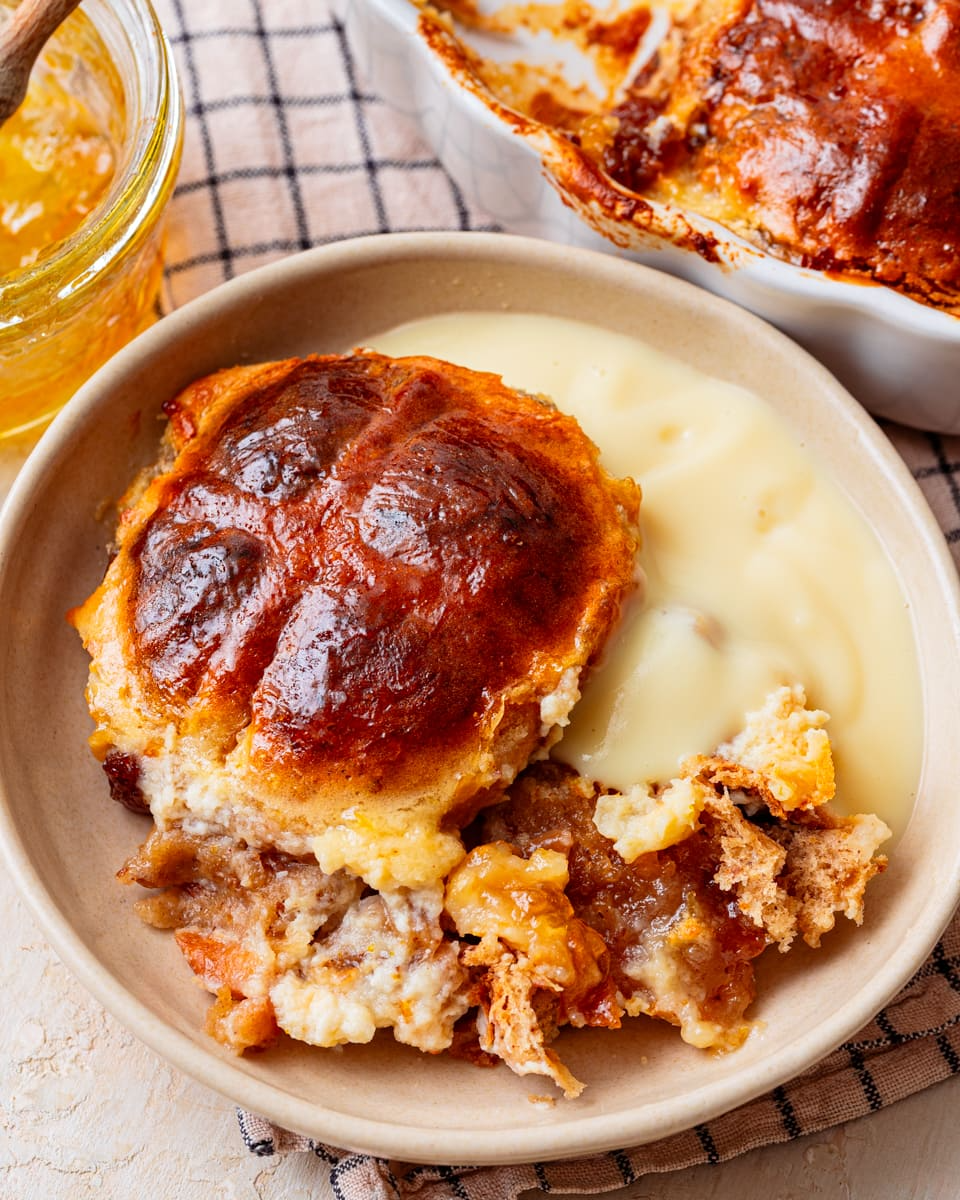
Also try his vegan hot cross bread and butter pudding. This time he swaps the rum for cointreau! This recipe uses any leftover hot cross buns you have to hand (or just use any sliced sweet bread if not).