The Fragile Coast: Reasons to Never Walk on Sand Dunes
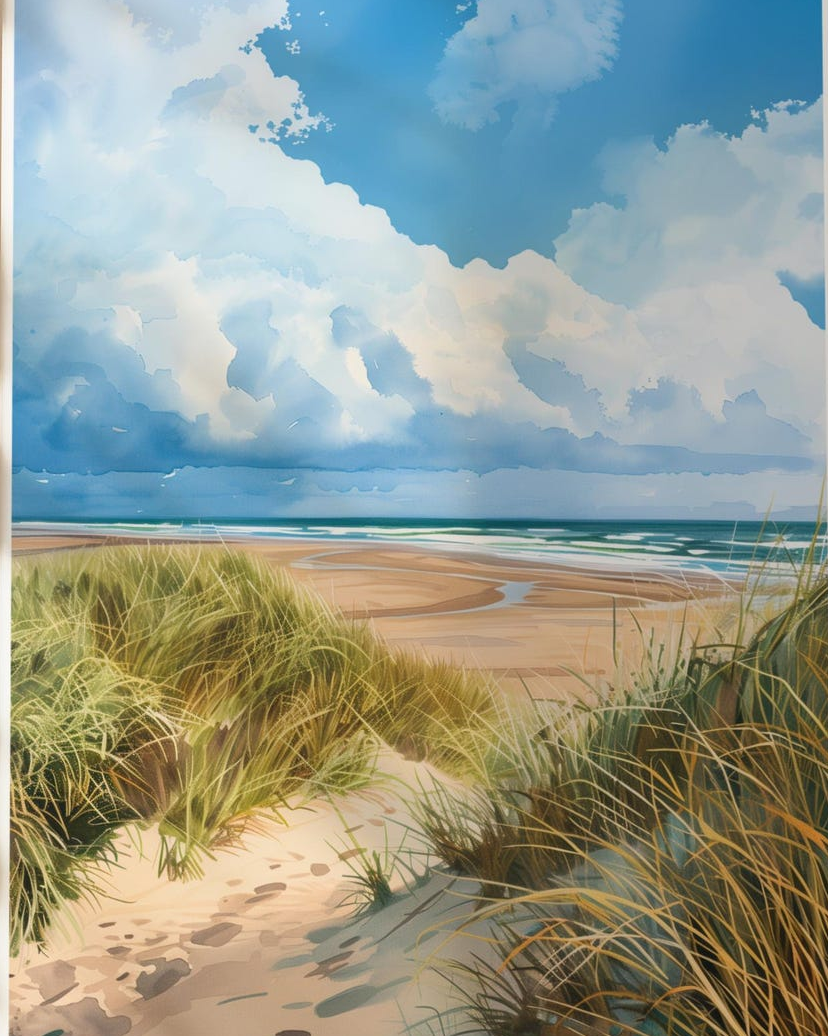
Camber sands (Ava Lily)
England’s sand dunes are remarkable. They have plants that anchor sand (to prevent coastal erosion). And are home to many nesting birds and endangered species (like natterjack toads). Plus seals use them to hide their pups, before they learn to swim.
Walking on sand dunes is akin to trampling all over flower beds.
Always keep to main paths near sand dunes (keep dogs away from nesting birds and seals – this also helps to avoid pirri pirri burr attaching to skin, fur, clothes or shoelaces). Keep dogs away from coastal flowers, as many are toxic (some to humans too).
Read more on keeping dogs safe by the seaside. Check beach bans before travel.
Never hold barbecues on beaches, nor smoke near sand dunes use a personal ashtray to immediately extinguish cigarettes, until you can find a bin). Never ‘surf’ down sand dunes, you could do damage that takes decades to recover).
The main sand dunes in England
Due to being an island, there are many sand dunes around England. Some of the main ones are:
Lindisfarne (Northumberland) are on an island (be sure to check tide times, to avoid getting stranded when the road disappears twice a day). These sand dunes are surrounded by coastal saltmarshes and tidal mudflats, with slack ponds that are home to diving beetles and rare orchids.
Braunton Burrow (Devon) is home to almost 500 flowers and 33 species of endangered butterflies. one of England’s largest sand dunes, keep dogs on leads as livestock are nearby (follow the Countryside Code).
These are named after the hundreds of rabbit warrens in the dunes (who alas are often killed by birds of prey, it’s nature). The slacks are below water level, so wetland birds like it here too.
North Norfolk has some of the world’s best sand dunes, including Marram Grass (named after old Norfolk words for sea and straw) and Red rescue grass (which attracts sand sedge and creeping willow). The Dune Slacks here are breeding grounds for endangered natterjack toads and endangered nesting birds.
West Wittering (near Chichester harbour in West Sussex) has sand dunes popular with endangered skylarks, and ringed plovers like the wetlands here. Chestnut paling fences have been installed, to stop people damaging the dunes. The Winner is an area of sand, mud and shingle – only seen at low tide.
Kent has many sand dunes that are home to evening primrose plants, bumble bees, lizards, digger wasps and burrowing bees (all who leave behind little piles of sand).
Camber Sands (East Sussex) was formed when sand and seashells blew on the coast, and got trapped by plants. It’s again home to natterjack toads.
Wildlife that lives in sand dunes
Stonechat birds look like small brown robins. they hide in gorse shrub, and are so-named as their call sounds like two stones knocking together! They also like heathland and wetlands, and although some migrate to Europe and North Africa, others stay year-round in England.
Sand lizards dig narrow tunnels to hibernate in winter. Lizards have five toes (newts have four). The males turn bright green in spring, ready for mating.
These lizards are now very rare (and highly protected) due to loss of sand dues and sandy heathland habitats. On rare occasions, you may find them basking on the sand.
Grayling is our largest brown butterfly, and feeds on marram grass. These butterflies have mottled-brown underwings with pale yellow/orange bands, and rest with their wings closed.
They are difficult to see, as they are camouflaged when resting on stones or tree trunks, and their orange spots are concealed when resting.
Sand wasps live on caterpillars, which it feeds on back in its sandy home. Then seals it up with mud, so nobody can get in! Sand wasp parents are very clever. Not only do their make several nests to feed their young, but they remember the ages of each ‘child’, returning to feed them in order!
Natterjack toads are England’s largest amphibians, mostly found on dunes and saltmarshes in northwest England and Norfolk. They breed in shallow pools, and have distinctive yellow stripes on their backs.
Known for their noisy call, it’s important (and illegal) to avoid disturbing them. If you want to hear them, you will even if you’re quite far away!
Recently, children in Perranporth (Cornwall) made wooden signs, to encourage people to keep beaches clean, to protect sand dunes. But they went missing (likely the wood used to create illegal bonfires).
Surfers Against Sewage were impressed that the children did not give up, they just made new ones!
Beachcombing is not sustainable
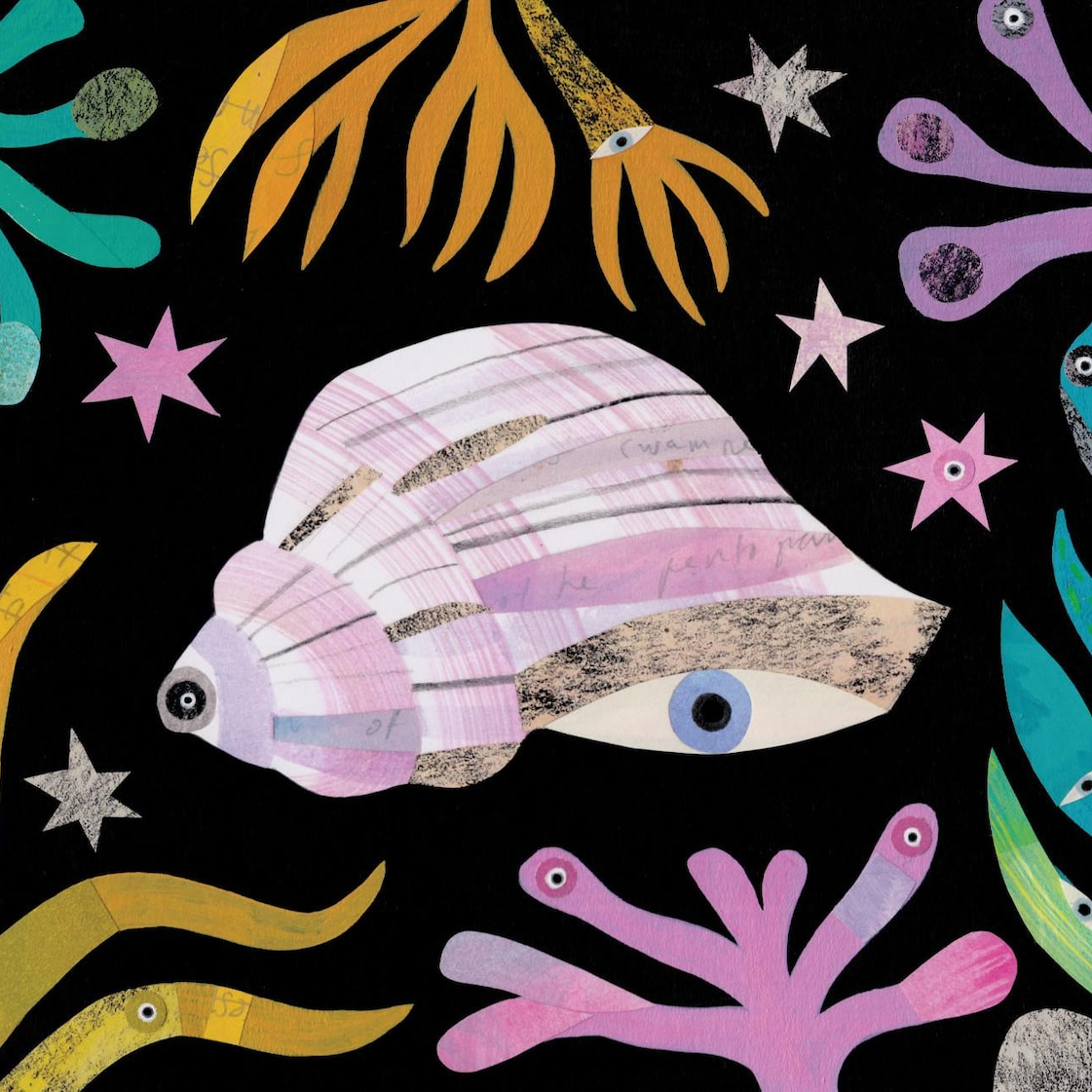
Beachcombing may be popular, but it’s not really sustainable. Sand and pebbles are on beaches for a reason (they prevent coastal erosion, and shells in particular house small creatures from hermit crabs to insects. Even ‘crabbing’ can cause harm to injured creatures.
Beaches are habitats first, scenery second.
It’s actually illegal to remove sand and pebbles from beaches (also don’t remove driftwood, as again it provides essential habitats for wildlife).
At the coast, keep away from nesting birds and never walk on sand dunes. Learn how to keep dogs safe by the seaside (check beach bans before travel).
Leave seaweed alone
Harvesting seaweed (without knowing what you are doing) can harm shrimp habitats. Experts just ‘give seaweed a haircut’, without removing the roots.
Keep dogs away from seaweed fronds. They can expand in the stomach, once dry.
Driftwood gives insects places to live
Driftwoods creates shade and damp spots in hot weather. On some beaches, birds rest near it, and seedlings can take hold around it. What looks dead can still be busy.
Don’t remove sand, pebbles, shells or driftwood from beaches (these prevent coastal erosion, the latter two often home to tiny marine creatures). Don’t remove fallen leaves either, they are likely home to tiny insects.
Something likely lives in nearly everything
Whether it’s a tiny creature living inside a shell, a hermit crab living inside a bigger shell, or even nesting materials for birds, usually things on the beach are there for a reason, and should be left alone.
Shells (even fragments) prevent erosion on coasts, by helping to stabilise the sand and shore, and are made from calcium carbonate, which breaks down over time to form new sand, which re-enters the ocean’s nutrient cycle, for new shells to form.
Algae and sponges often attach themselves to shells, and these provide food and shelter for other creatures, not when they are displayed on your mantelpiece.
In fact, in many countries it’s illegal to take anything from the beach (in Italy, you’ll have a policeman with a gun after you, with an official warning).
And although it’s not so well-known in the UK, we have the Coast Protection Act 1949, which also forbids removing sand, pebbles and shells from public beaches. In Florida, if you remove the queen conch shell, you could go to jail.
If you would never kill a live animal for a souvenir, then don’t take shells from beaches or shops, as they often are home to living creatures.
What about sea glass?
Sea glass is broken bottle litter washed smooth by the waves, to create jewellery. As long as it’s not disturbing habitats, this is okay used to make beautiful jewellery. Your earrings may have been a pirate’s beer bottle from hundreds of years ago. Shiver me timbers!
Why are beaches sandy or pebbly?
It just depends on the beach. Cliff areas have stronger higher waves, so more pebbles. Sandy beaches tend to have gentler waves. The colour of sand depends on what it’s made from (iron oxide makes sand brown, Caribbean coral makes sand white or pink).
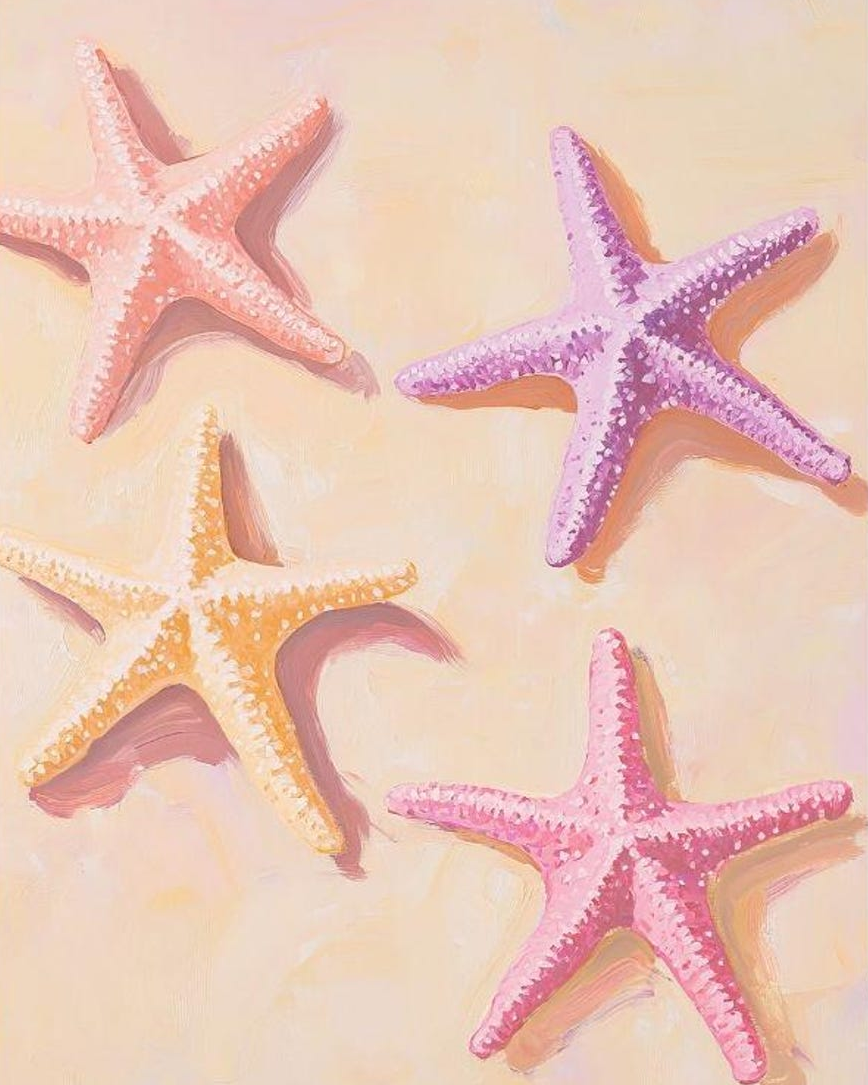
We’ve all heard of starfish and know what they look like. But are they exactly, and how can we help them? Let’s find out!
Starfish (also called ‘sea stars’) are fascinating marine mammals, often in rockpools and coastal waters, including England. They can regenerate lost arms and have a very unusual eating habit, in that they turn their stomachs inside out to consume prey. Having no brain or blood, they are actually echinoderms (not fish). Like sea urchins and sea cucumbers.
But they are living creatures, that eat clams and mussels by pulling the shells apart, and dissolving the prey into ‘soup’ to eat. They can see in all directions, due to having eyes at the end of each arm! And use special receptors to smell prey, as they have no noses..
They move using hyraulic pressure, using hundreds of tiny tube feet under their arms, and some even are born males, and turn into female as they get older! Some species can live for up to 35 years.
How to help beautiful star fish
Starfish do no harm, and it’s important we protect them as like all marine creatures, they are risk from human interference. Mostly from people removing them from the water, to sell them as ‘dried star fish souvenirs’. So never buy them in shops.
If you find a starfish stranded on the sand, gently move it to the water (if it’s attached to a rock, leave it as it is using its feet to ‘suction to a rock’ and waiting for the tide, and you could harm it, if you pull it away. As long as it looks like the sea is going to come in soon, it should be okay.
If it looks like the water can’t cover it, try to use some water or a shell or small shovel, to gently prise it away without harm, so it can return to the sea, in order to survive. But be careful not to harm or pull its feet away harshly. Just removing a star fish from the water can harm its water vascular system.
If you see anyone removing or harming starfish, report it to local environmental authorities.
It’s illegal so you can report it to RSPCA, British Divers Marine Life Rescue or as wildlife crime (anonymous through Crimestoppers).
Leave seaweed alone (also not safe near dogs)
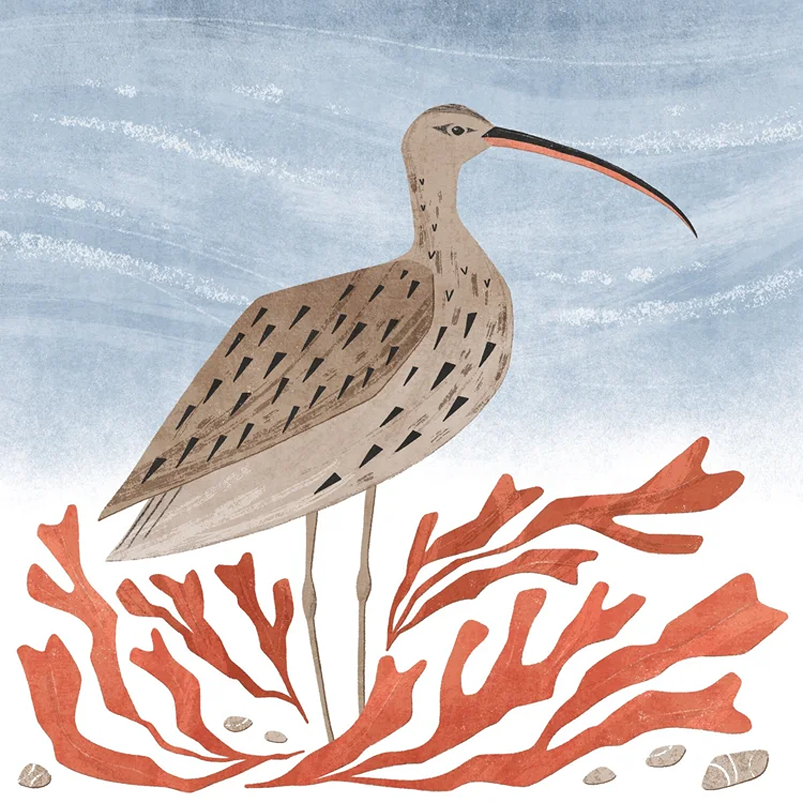
England has over 600 species of seaweed, though you won’t see many, as most live under the sea. Although seaweed can be hand-harvested in small quantities for various uses, its real purpose is to provide shelter and nursery habitats for marine creatures.
Seaweed absorbs nitrogen and phosphorus from run-off, to help prevent ocean pollution. Unless you know what you are doing, don’t harvest seaweed yourself (experts just ‘give it a haircut’ without disturbing the roots). As one person wrote ‘It’s seaweed to you, but the universe to a shrimp!)
Keep dogs away from seaweed, as they often like to play with the fronds or even eat it. But as well as being salty, wet seaweed expands in the stomach as it dries. lso don’t walk on seaweed yourself (to protect it, and to prevent slipping over).
Isles of Scilly Wildlife Trust has a good guide to the main species of English seaweed. The most common are:
- Bladderwrack (this has a ‘bubble wrap’ appearance and provides habitat for many ocean creatures).
- Sugar kelp is named due to the white powder residue left behind (its other name is Poor Man’s Weather Glass, as people use to hang dried fronds outside to predict whether rain was on the way, depending if they stayed dry or not).
- Sea lettuce does indeed look like lettuce leaves, and is used to make Welsh laver bread.
- Carrageen is a reddish seaweed, often used in vegan gelatine alternatives, to set puddings.
How to prevent coastal erosion
Coastal erosion is sometimes natural, but is being made worse by climate change (and people removing sand and pebbles from beaches, they are there for a reason).
In some areas of England, homes are literally being swept away (the Norfolk village of Hemsby has seen people lose their homes). And often the government will not provide any compensation.
The British Geological Survey says there are now around 30,000 homes in the UK, within 25 metres of sliding into the sea. Coastal geologists these days when asked ‘how far is a house from the sea?’ sometimes reply ‘about five years’.
But less funny is that many insurance companies won’t pay out for coastal erosion, as it’s now so common. Yet there are some solutions that could help.
In 1953, a serious storm on England’s east coast (which killed hundreds of people and more on the Continent) led to many concrete sea walls being built.
But these measures are clearly not working for Hemsby or the nearby village of Happisburgh (pronounced ‘hayz-bur-ruh) which also has homes in peril.
Eccles-on-Sea had a village before it, lost to the oceans in the late 1500s. After bad storms, ‘sea-bleached skeletons’ of the church and other buildings, appear in the sand.
One disabled man recently lost his house to coastal erosion. With help from Friends of the Earth, he took the government to court, saying they needed to do more on climate action. He lost the case. An appeal is pending.
How does coastal erosion work?
Each day, tides pull sand out and bring it back again, and this quietly eats away at the coastline. Coastal plants often anchor sand in place, and pebbles too can keep the land anchored. So when people remove pebbles and sand (or destroy coastal plants to say build holiday resorts), this all eats in.
Climate change does not affect coastal erosion directly, but it does increase the frequency of freak weather like storms. And storms can create strong winds and heavy rain, which can cause erosion.
In 1917, a storm in Hallsands (Devon) nearly wiped out the village. But not due to the storm itself, but because most of the shingle beach had been removed, leaving homes vulnerable.
Local young resident Ella Trout and her cousin William were out on a boat, when they saw a shipwreck. They and a local man rescued and saved the lives of nine men.
Climate change is also causing rising sea levels, which means tides are higher, so waves go further inland. The Suffolk medieval town of Dunwich again disappeared into the sea, as the tide cam closer and closer to the land. Ravenser Odd (a historic port town in Norfolk) was lost to the sea back in the 1300s, after fierce weather.
Sea defences: what can we do?
The National Trust (which looks after 800 miles of UK coastline) says that building coastal defences is not enough. In Pembrokeshire (Wales), it’s taken 100 acres of dune grassland out of active farming, and restored reed beds and fen meadows to protect local flora. It’s also trying to relocate buildings, shorelines and habitats to provide new safer homes for wildlife, further away from the sea.
- Seawalls are solid concrete barriers, to form a sturdy wall between the sea and land, offering protection against waves. But they don’t offer a permanent solution.
- Rock Armour is a pile of large stones that absorbs wave energy, before it hits land. But they can sink into softer ground, or get moved by strong currents.
- Rock Berms are similar, but built more as a sloped heap. They catch incoming waves to reduce force, but against they are not permanent and need frequent repairs.
- Dune Planting restores coastal plants, which can anchor sand, actually as natural barriers to soak up the power of storm waves.
- Creating Wetlands creates wildlife-friendly habitats that again absorb the power of waves.
- Beach Nourishment adds sand or shingle back to beaches, that have had them removed in the past for urban developments.
The Dutch answer to coastal erosion
Reefy is an invention from The Netherlands, which creates an artificial reef to stop coastal erosion. Due to frequent floods on a flat marshy land, Holland has been at the forefront of finding effective solutions to flooding issues.
Good for beaches or rivers, this is stable enough to dissipate 90% of wave energy, whilst still retaining natural habitats for marine wildlife.
A book on how to manage coastal erosion
New Coast by an American expert on rising seas. Drawing on 40 years of experience at the Environmental Protection Agency, he suggests policy changes at local and national level to restore and protect our coastlines.